'Sound evidence' vital for shaping agri-food policy

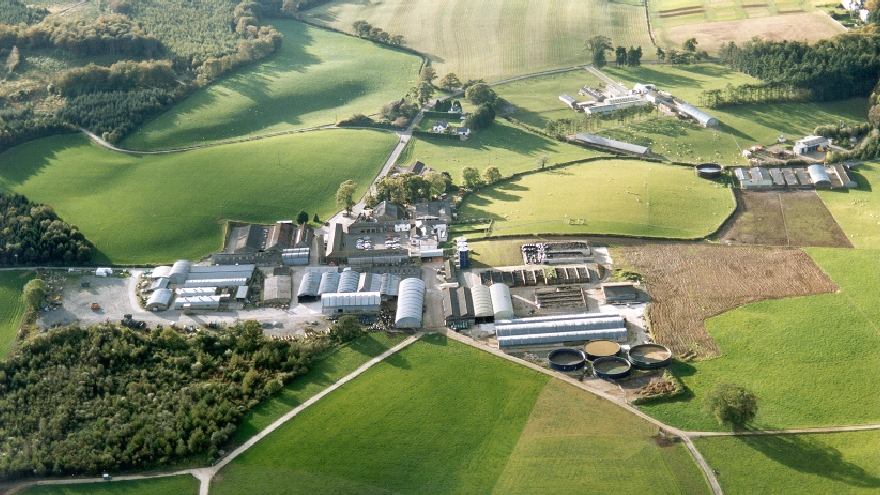
"Sound evidence" is needed to form the policies needed to guide the agri-food sector through the challenges facing it, according to Minister Andrew Muir.
And the Agri-Food and Biosciences Institute (AFBI) plays a key role in delivering this evidence, the Northern Ireland Minister for Agriculture, Environment and Rural Affairs added.
He continued: "They require the implementation of sound evidence, which from the basis of the responses that are generated".
"We also need to have the capacity of accurately assessing the impact of the measures that are put in place."
Minister Muir was speaking at the launch of an independent peer review into the work of AFBI, where he welcomed the findings.
He said: “First-off, the findings of the review provide independent assurances regarding the quality, credibility and strategic relevance of the work carried out by AFBI.
“Research of this standard is fundamentally important where good governance and effective policymaking are concerned.”
Peer review
The independent peer review found that the agri-food sector places significant trust in the work carried out by AFBI.
However, the need to secure longer-term funding for this research was also stressed by the report and AFBI representatives.
The review also highlighted the value of the data sets amassed over many years from the statutory testing work the body has delivered on behalf of the Department of Agriculture, Environment and Rural Affairs (DAERA) and other government agencies in Northern Ireland.
It strongly recommended that this information be the focal point of future research looking at issues such as the continuing impact of bovine tuberculosis (bTB) across production agriculture.
However, this will require the development of a more cross-disciplinary approach to planning future research projects, as well as greater numbers of scientific staff.
Developing a stronger pipeline of PhDs is another future priority for the body.
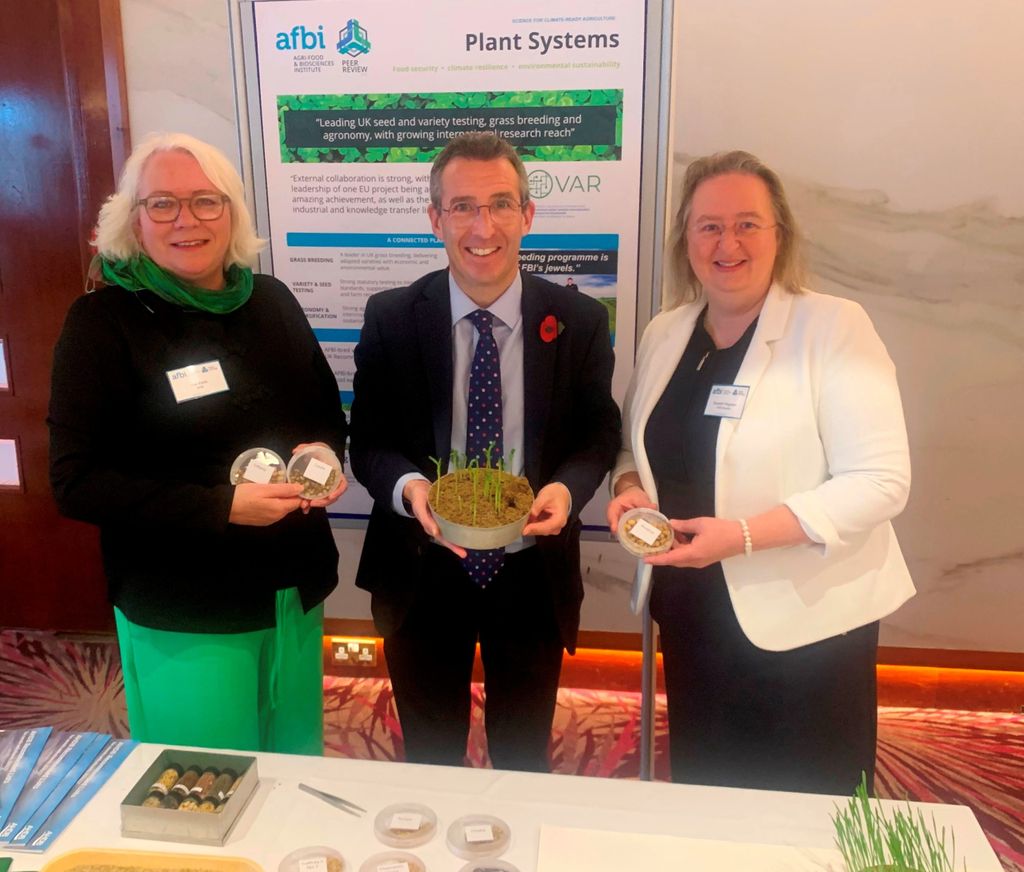
But the securing of future funding streams that are sustainable remains the elephant in the room for AFBI.
Approximately 75% of the funding received by AFBI is provided by DAERA.
AFBI director of sustainable agri-food sciences, Prof. Elizabeth Magowan confirmed that agreeing one-year budgets with DAERA does not reflect the long-term nature of research carried out by AFBI across the entire gambit of sustainable food, environmental and marine ecosystems.
She said: “Discussions are currently ongoing with DAERA, aimed at securing longer term funding opportunities across AFBI’s entire remit.”
According to Minister Muir, the challenges facing the agri-food and the environment are complex.
He said: "They require the implementation of sound evidence, which form the basis of the responses that are generated."
He added that the research carried out by AFBI is essential in dealing with these challenges.
“This work encompasses the areas of plant and animal health, the need to ensure that our food products are of the highest standards while also supporting the farming and food sectors.
“It also helps us to respond to some of Northern Ireland’s most significant challenges.
“These include the continuing threat posed by bovine tuberculosis, reducing the level of emissions generated by the farming industry, dealing with issues relating to Lough Neagh while also improving our soil and water quality," he said.
He confirmed that DAERA is "committed to supporting the core strengths that AFBI can deliver".
This includes the development of the new animal sciences building in addition to "a new ruminant emissions’ research facility in tandem with the procurement of a new AFBI research vessel", Minister Muir said.