Riparian mowing move ‘only one part of the response’ - ICSA


Permission for earlier mowing of riparian areas has been welcomed by the Irish Cattle and Sheep Farmers’ Association (ICSA), though it said that more action is needed.
ICSA president Sean McNamara acknowledged Minister for Agriculture, Food and the Marine Martin Heydon’s decision to allow earlier mowing of riparian areas, but said that more steps are required, given what is happening on farms.
McNamara said: “ICSA called for the move on riparian areas as an immediate practical measure and we welcome the fact that the minister has acted on it.
“But this is only one part of the response.
“We now need to deal with the bigger problem and prepare for what could happen next spring.”
Speaking following the meeting of the National Fodder and Food Security Committee (NFFSC) held in Teagasc, Oak Park, Carlow on Friday (August 21), McNamara said that getting fodder to the farmers who need it, when they need it, must be a priority.
He said: “Some parts of the country have sufficient supplies and have the potential to grow more, but we need to put the facilities and transport supports in place to get it to where it is going to be needed.
“If we are asking these farmers to grow more, that costs money and they need to know there will be a buyer for it and that the cost of moving it will be covered.”
McNamara said that there was also a need to look at the movement of fodder in both directions: “If straw is going west, we need to see silage coming east.
"We need to look at the whole picture and make sure feed gets to the farms that need it.”
He added that even though it is only August, "many farmers" have already been feeding the amount of fodder they would normally be feeding in the winter.
Weather
The ICSA president said: “Previous fodder shortages have mainly been as a result of too much rain.
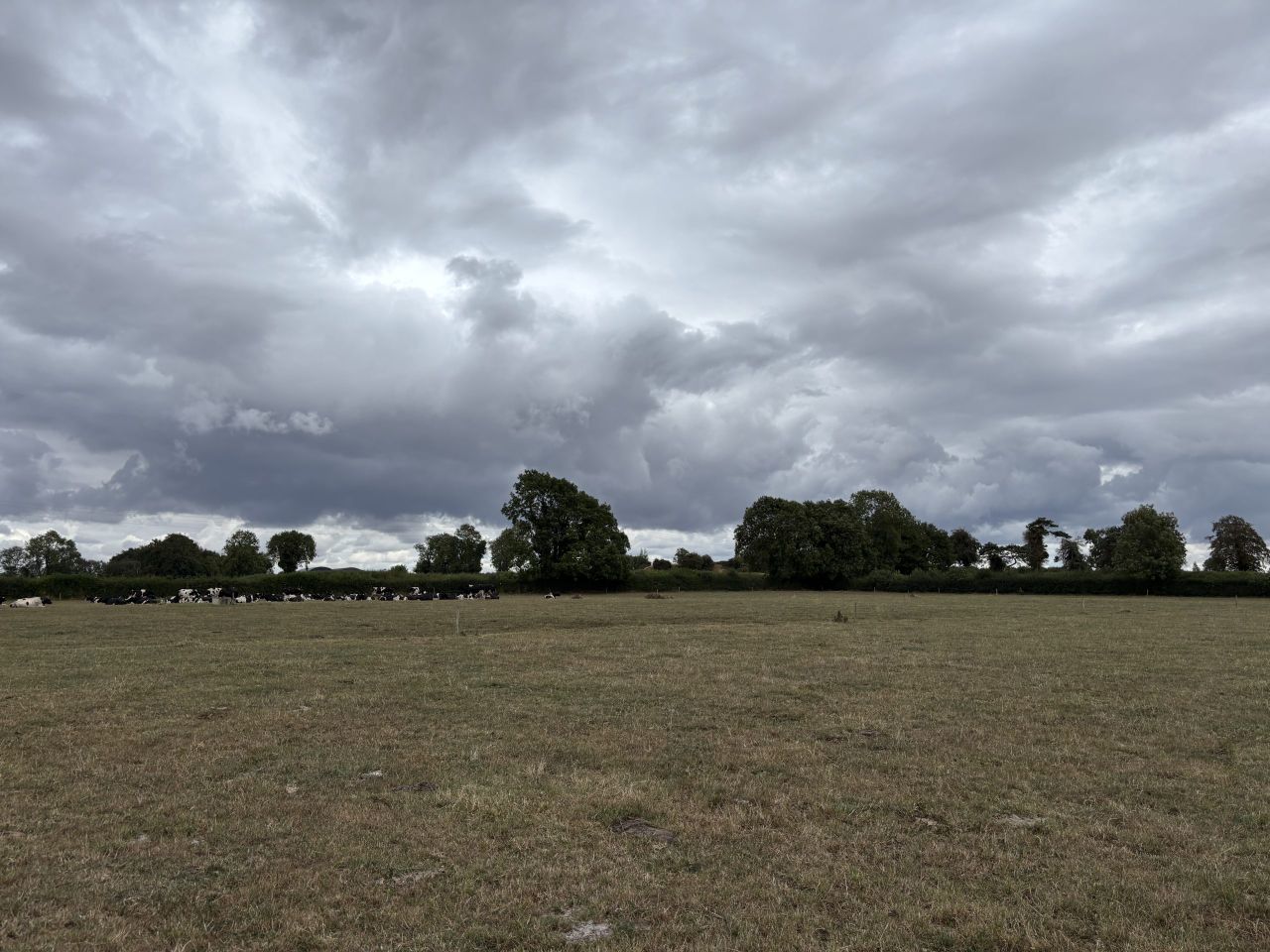
"This time it is different and while you might be able to create something from mud, you can create very little from dust.”
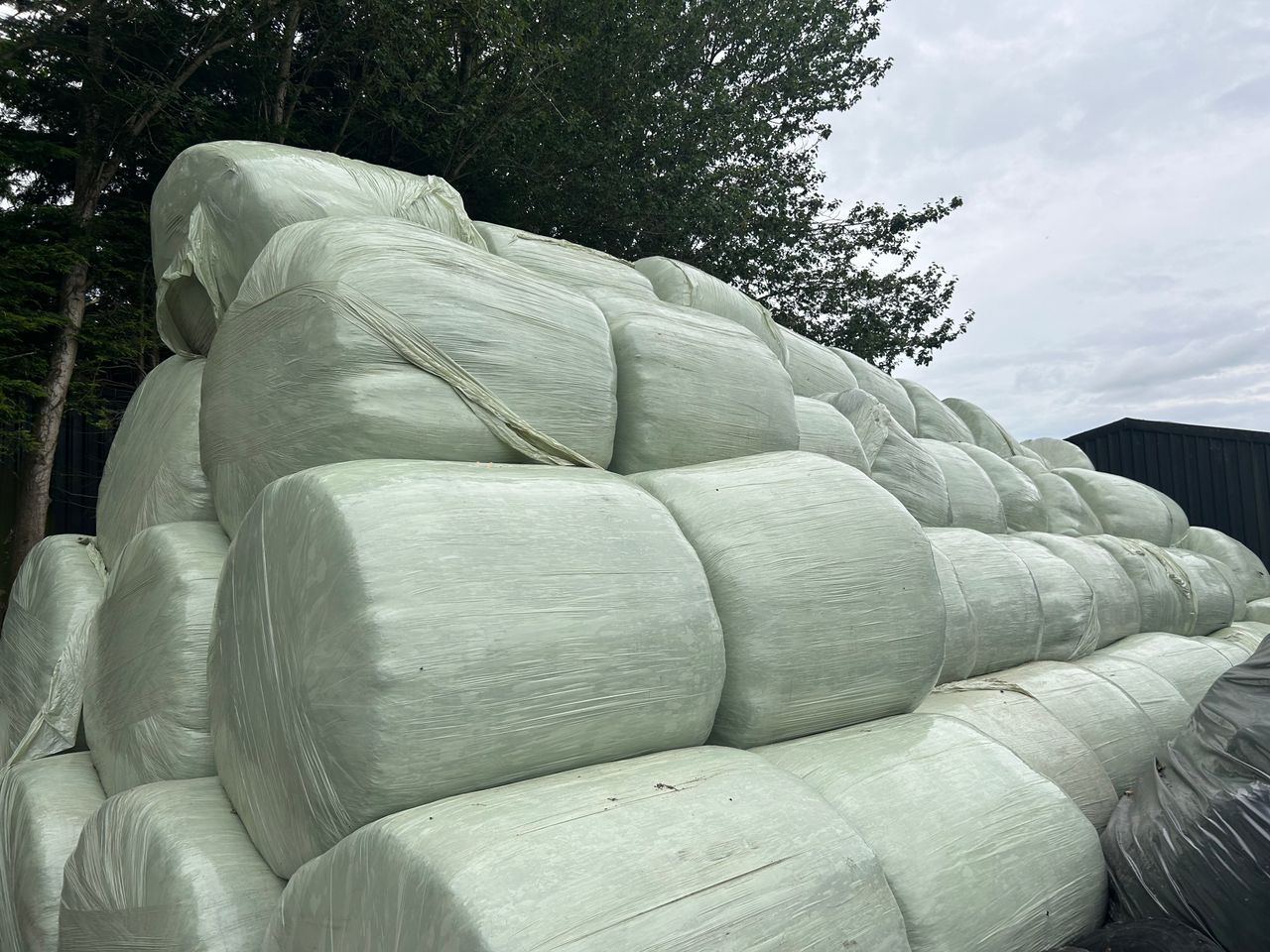
He referred to information shared by agricultural contractors at the meeting, showing that the amount of silage cut is well down on normal volumes.
McNamara said that this shows "the stark reality of what is actually happening on farms".
He added: “Farmers are already using their winter fodder and that is going to leave a bigger problem if we do not get enough growth in the coming weeks before the winter sets in.
“In the short term, we need to grow what we can now and make sure farmers have the support to do that.”
He added that arrangements are needed to get fodder and grain from areas where it is available to farms that need it.
McNamara said: “Looking further ahead, we have to start planning now for the spring and the pressure that will come if winter fodder supplies have been depleted.”