Reward farmers for 'maintaining lower nitrates rates along a sliding scale' - ICSA

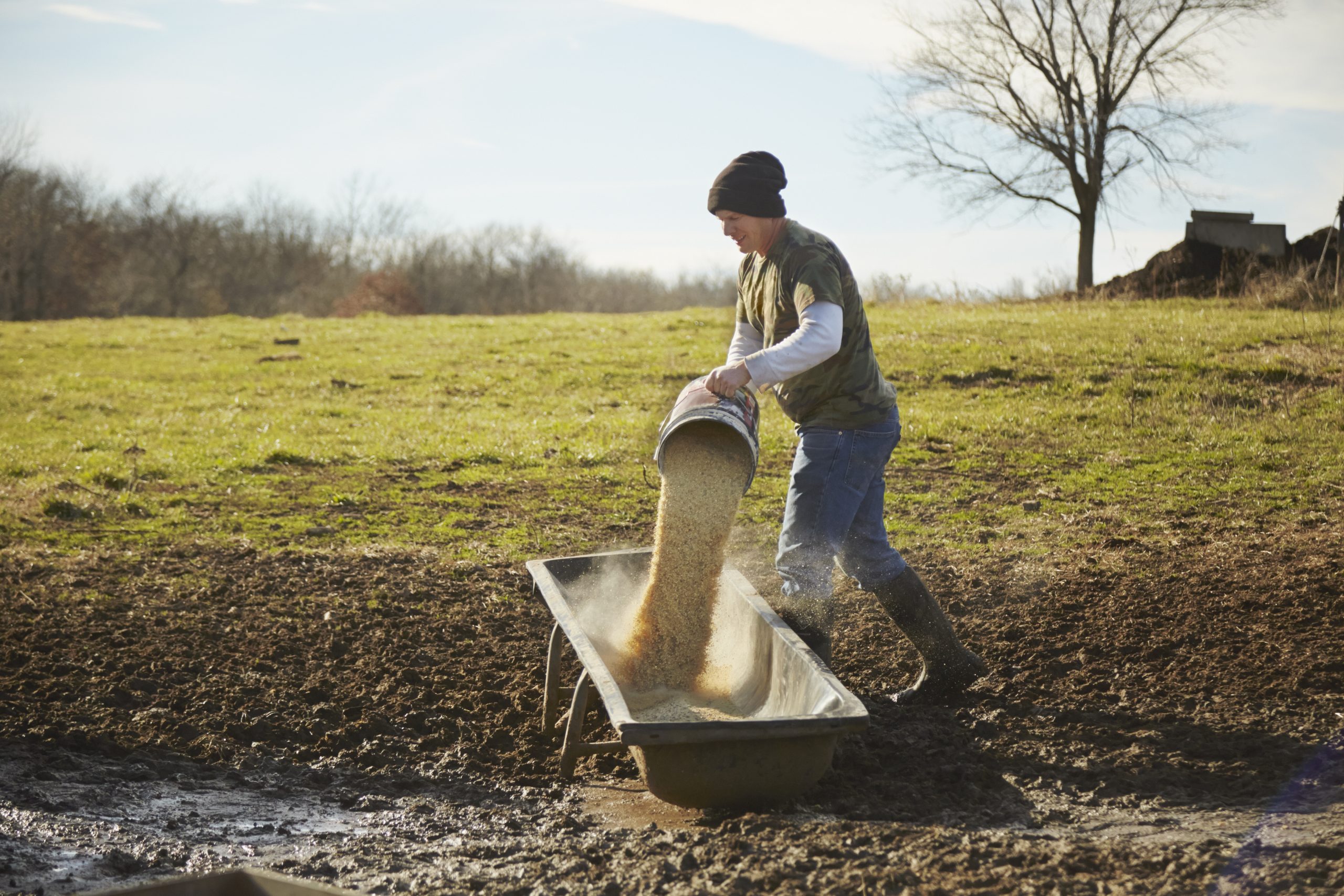
The next Common Agriculture Policy (CAP) should prioritise an "incentive-based system" that directly rewards farmers for environmental results, according to the Irish Cattle and Sheep Farmers' Association (ICSA).
It believes that environmental schemes should be paid from a totally "separate fund" outside of the CAP structure.
According to the ICSA, the bottom line is that farmers who deliver on "environmental obligations" should get real rewards "rather than just more paperwork".
ICSA
It has suggested that, for example, farmers who are stocked to lower levels should get payments in the next CAP.
"While we still need to have a minimum base level of stock, we feel that farmers should be rewarded for maintaining lower nitrates rates along a sliding scale," the ICSA told a meeting of the Oireachtas Joint Committee on Agriculture, Food and the Marine.
One key issue which the organisation also highlighted to TDs and senators was in relation to what it described as the current "excessive inspection process".
The ICSA has suggested a "scorecard process could be skewed based on the time and the day that a farm was inspected".
ACRES
According to the organisation, some Irish farmers have been left "financially scarred" from various CAP-supported applications.
It pointed to some of the experiences recounted by its members over the Agri-Climate Rural Environment Scheme (ACRES).
ICSA said that farmers had to engage with a planner pending approval into ACRES, and if they did not get into the scheme, then they were "left financially out of pocket and lose out on improving their farm".
"Farmers should be able to submit a simple applicationto apply for schemes.
"Once they are accepted, they then could engage the services of a planner or preferably be able to submit a simplified application themselves," the organisation added.
ICSA told the Oireachtas Joint Committee on Agriculture, Food and the Marine that fundamentally CAP should "be explicitly directed towards lower-income sectors".
"The current CAP does not address the massive gap in viability on cattle and sheep farms compared to dairy farms.
"Our objective is to bring CAP payments back home to the active but low-income sectors of beef, sucklers, sheep, and tillage, which is where direct payments were originally concentrated.
"Suckler, beef, and sheep farmers have had to rely more and more on Pillar 2 payments to make up a greater percentage of their income," it warned.