Sponsored
Rethinking dry-off on a high-performing Kerry herd

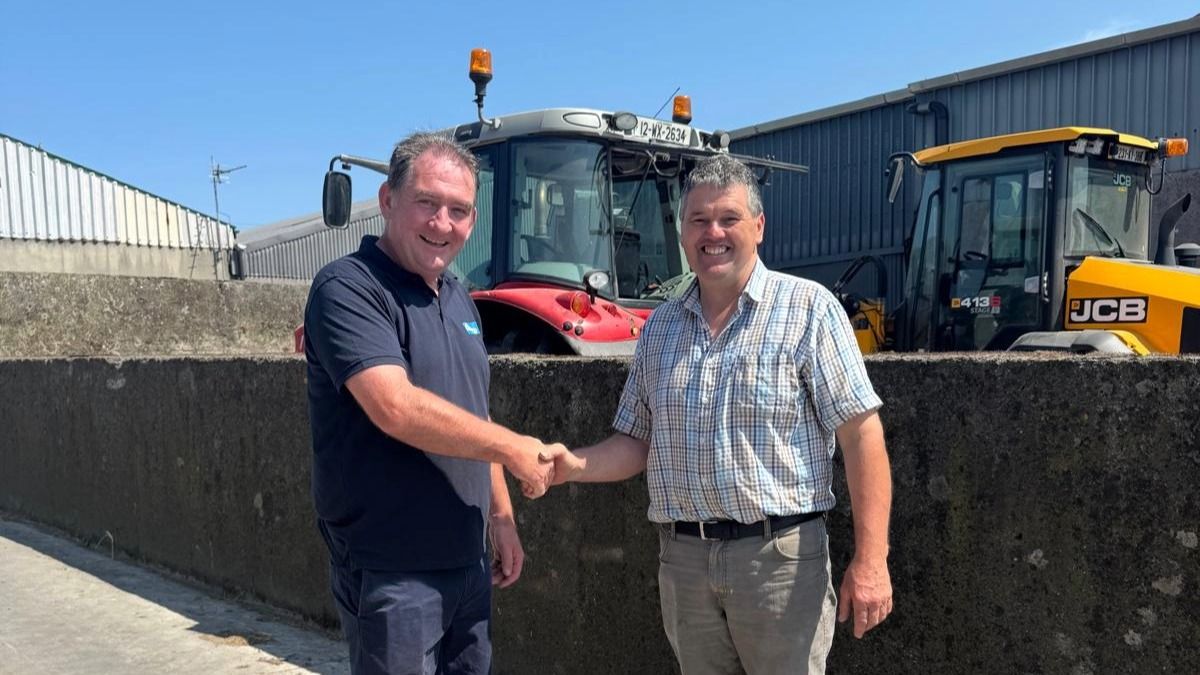
Sponsored by

For Co. Kerry dairy farmer Maurice Harty, getting the most from a high-performing cow starts with making the most of the genetics in the herd.
At Ballylongane Pedigree Holstein Friesians, the Harty family has been breeding pedigree cows since 1967, with the herd fully pedigree registered since 1983.
Today, the herd averages more than 10,000L, with average solids of 4.30% fat and 3.50% protein.
Maurice said: “You have to look after the genetics that you have, feed them to their potential and keep them healthy. Anything that can enhance that, I suppose, I’m interested in.”
Maurice has been an AHV, now Elanco AHV, customer for the past five years and works with herd consultant Kevin Quilter to improve herd health, performance and profitability.
“If they calve down well and hit the ground running, you’re straight into production rather than hoping that they’ll come on.
"On the fertility side, they show stronger heats faster and they go back in calf again. And I like that sort of approach,” Maurice said.
More recently, he has also changed how he dries cows off
Still giving 16–23L at dry-off
At Ballylongane, cows approaching dry-off can still be producing between 16L and 23L/day.
Previously, Maurice batched cows together for dry-off, sometimes once a month, and restricted their diet in advance to help bring production down.
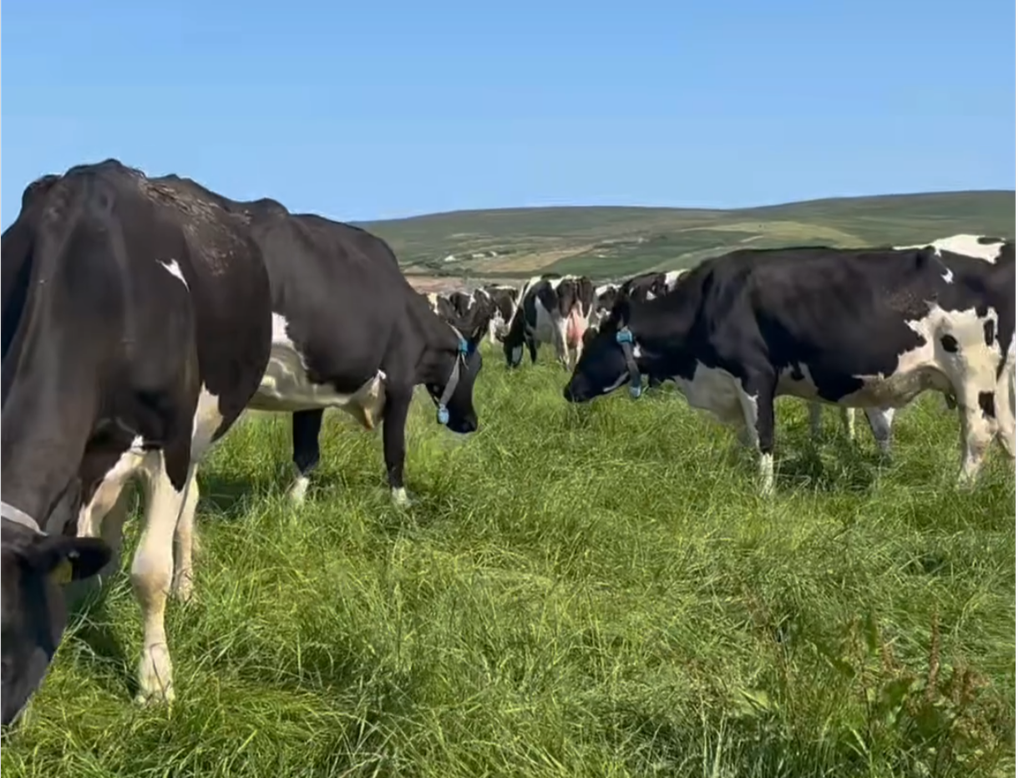
The Co. Kerry farmer explained: “In the old method for drying off cows, I was sort of batching cows, maybe drying cows once a month.
"So you might have some cows that would be dry too long, and some cows that wouldn’t be dry long enough.
“We would keep them on a restricted diet for another week after that.
"So in total that was nearly 10 to 14 days of a drying-off period, after which your cow was a bit shook and a bit lonesome looking at that stage.”
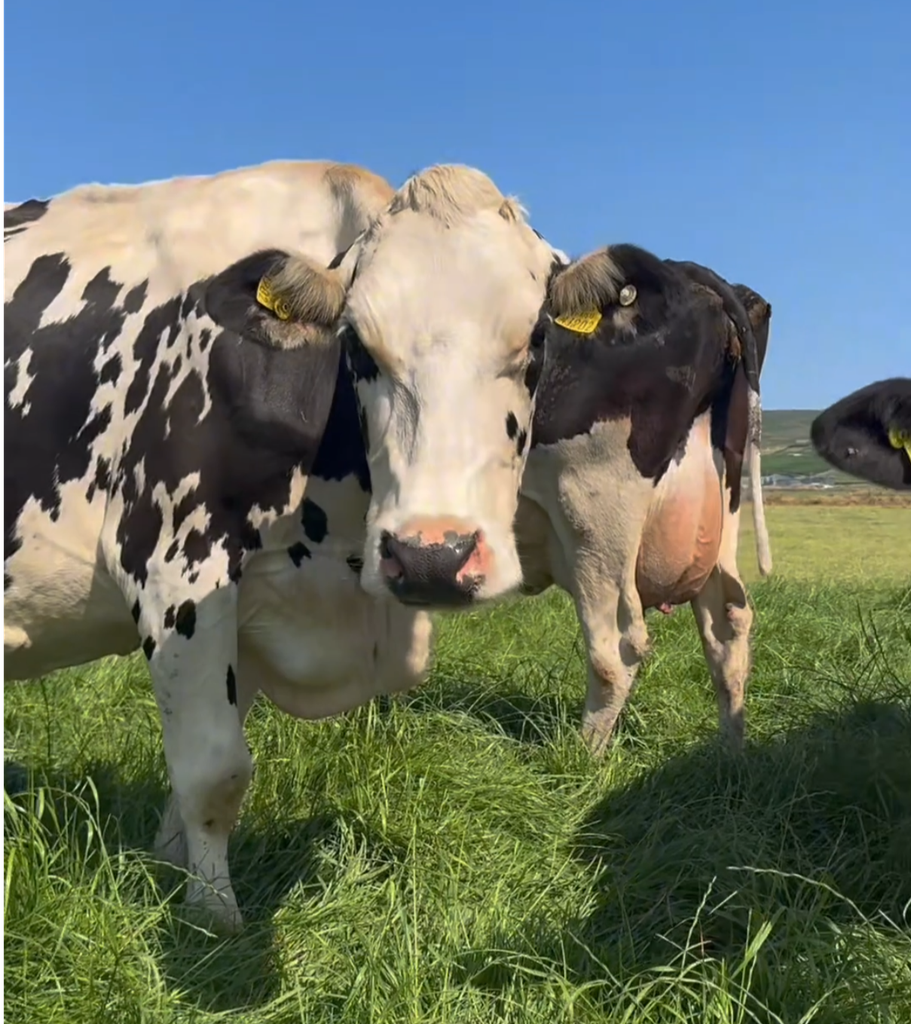
It also meant drying cows off earlier while they were still milking well.
“I always just felt that the cows had lost a lot, and it took a while to bring them back up to where they were.
“At that, you would have to dry them off a bit earlier than you would like, and you’re losing milk," he said.
'Milked twice a day until it’s time to dry her off'
Maurice first tried StopLac on a batch of cows.
StopLac supports abrupt dry-off by quickly and temporarily reducing milk production, allowing normal feeding and milking to be maintained right up to dry-off.
Maurice said: “With the StopLac, the herd will be milked twice a day until you decide, right, it’s time to dry her off.
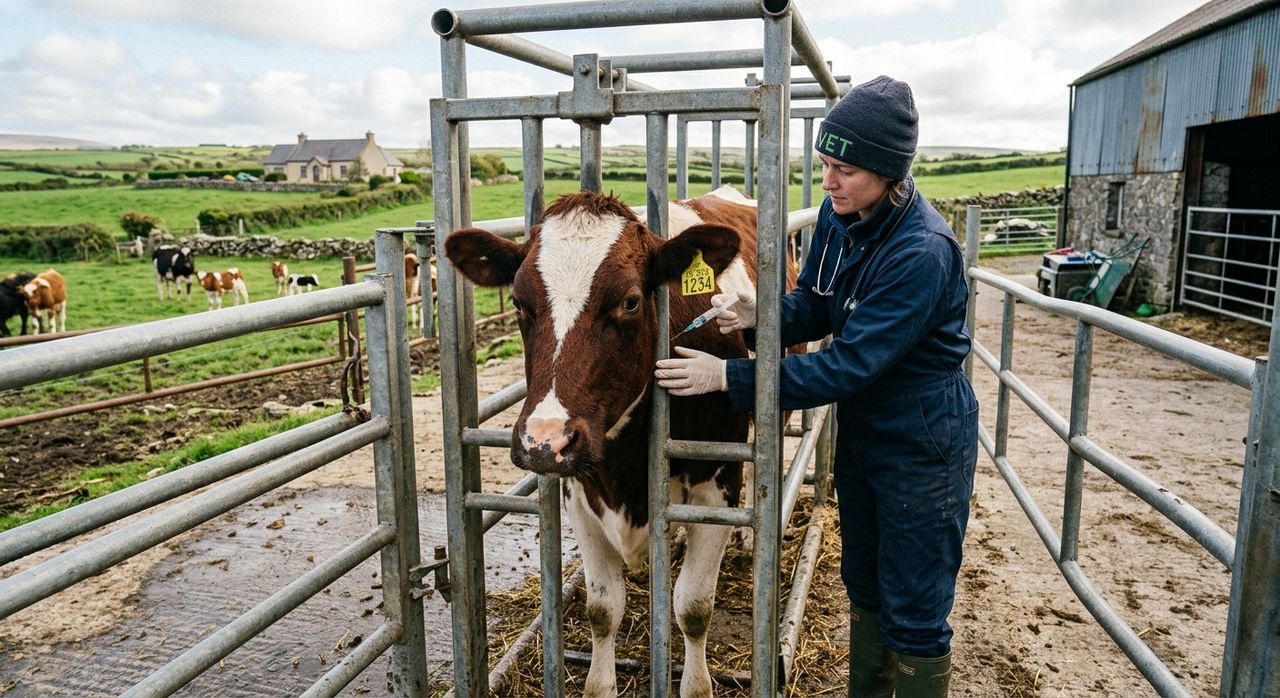
“All I do is just tube them, drive them straight into the crush, give them the StopLac, and out into the dry cow house.”
It has also changed when Maurice dries cows off.
“I can get at least two weeks' extra milk from the cow at the end of her lactation, with high solids, which is high-value milk.
“The dry cow is making nothing for you, whereas if you can leave a cow milking for another two weeks, she’s making money for you," he said.
For Maurice, keeping cows well fed right through to dry-off is also important.
“The cow is in great condition going into the dry cow house,” he said.
“If you are a 10,000L cow, or whatever you are above the 5,000L cow, you have to support that cow to that on nutrition.”
Another set of eyes on the herd
Maurice is also open to outside opinions on how the herd is performing.
He said: “It’s always important for an outsider to come in and look at the herd, even if it’s only for five minutes.
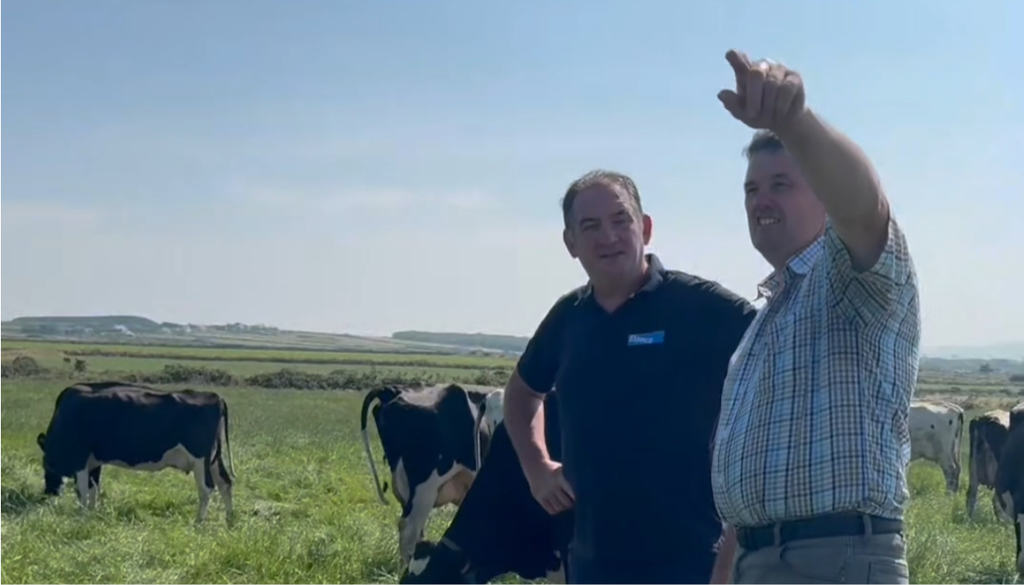
“The vet, or the likes of Kevin from Elanco AHV, or maybe in my case there’d be a judge or two coming in during the year, or anyone else.
“You would always like someone would give their honest opinion of what the herd looked like on the day, and you can drive on or correct it.”
After first trying StopLac with a batch of cows, Maurice has since used it across the whole herd.
“I intend to use it across the whole herd this year anyway, because I like what I see, and I like the results," the Co. Kerry farmer said.
Sponsored by