Public backs climate action but need for farmer fairness highlighted

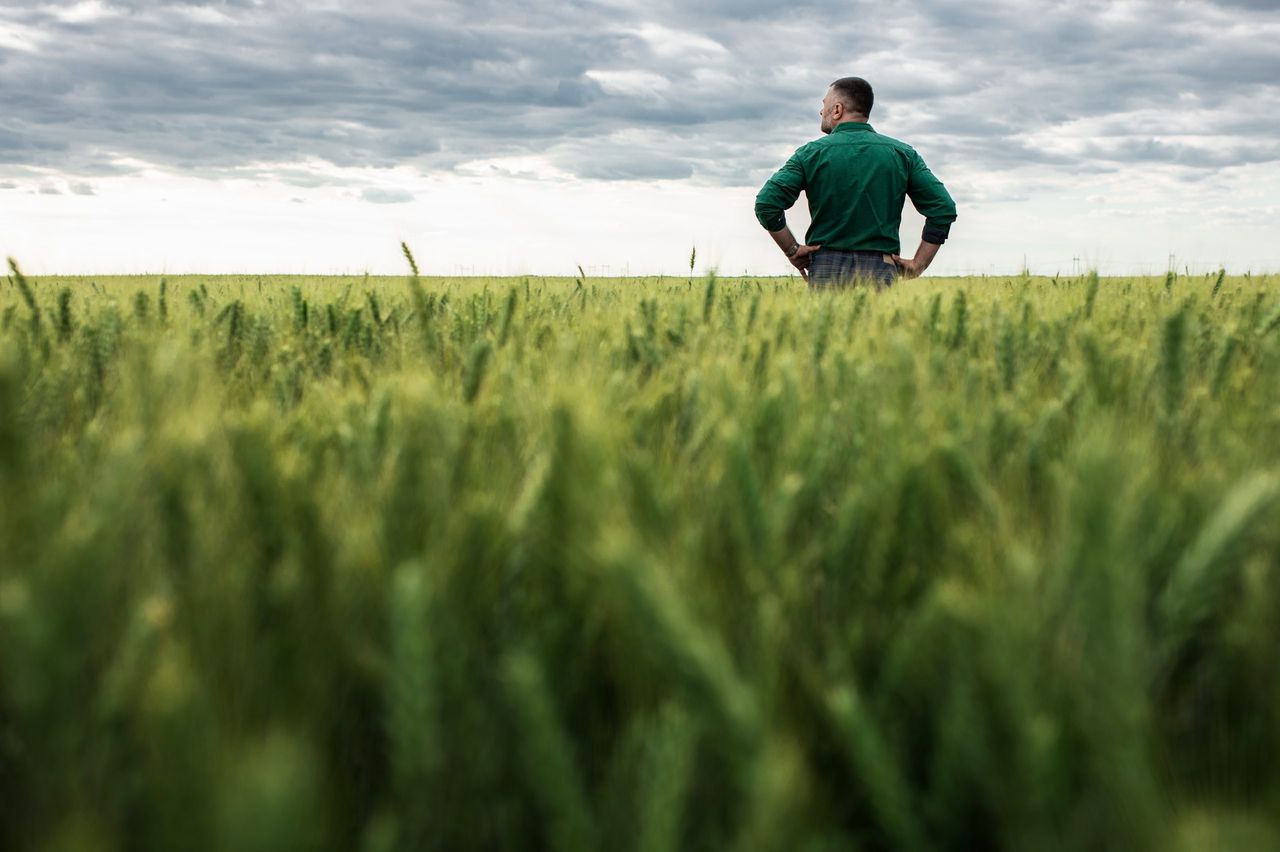
New research by Ireland’s Just Transition Commission shows strong public support for climate action alongside concerns over fairness, affordability and trust.
The findings highlight the importance of fairness in how the transition is managed, particularly for those on lower incomes, rural communities and the farming sector.
Key findings of the Ipsos B&A Baseline Research, commissioned by the Just Transition Commission, show that 81% believe climate actions are unfair to at least some groups, with those on lower incomes (68%), rural residents (51%) and the farming sector (50%) seen as most affected.
Survey findings
64% see climate change as an immediate and urgent problem, while 77% are at least somewhat worried about climate change.
41% agree that Ireland’s climate transition can be managed in a just and fair way, while 35% are optimistic that, by acting together, Ireland can transition to climate neutrality by 2050.
Only 27% had previously heard the term 'just transition', and 59% said they understand the concept once it is explained.
42% of respondents identify affordability as the most important factor in making climate action fair.
78% of those who think they will be personally impacted by climate change in the future expect to make changes to adjust to this future impact.
52% of these think they will need help from government supports (advice, grants and other supports) to make these changes.
57% feel they are not well informed about Ireland's climate transition and 56% say access to information on climate action is insufficient, highlighting the need for clearer and more accessible information about the transition and the supports available.
Climate Action Plan
According to the Just Transition Commission, the forthcoming Climate Action Plan and development of Ireland’s National Just Transition Strategy provide important opportunities to take account of these findings.
Chair of the Just Transition Commission, Ali Sheridan said the findings of this research send a "clear, and in many respects, encouraging message".
"People recognise the need for climate action and want Ireland to succeed in the transition to a climate-neutral future. This is a strong foundation on which to build," Sheridan said.
"At the same time, people are very clear that how we make this transition matters. The success of this transition will not be measured by emissions reductions alone.
"It will also be measured by whether people experience the transition as fair and affordable, and whether they have a meaningful voice in shaping it."
Sheridan said for policymakers, this research reinforces that fairness is "not an optional consideration, it is fundamental to building public trust, maintaining support for climate action, and delivering lasting climate policy".
"These findings provide an important evidence base for the commission's advice to government and establish a benchmark against which progress can be measured in the years ahead," she added.