Process to develop National Restoration Plan underway

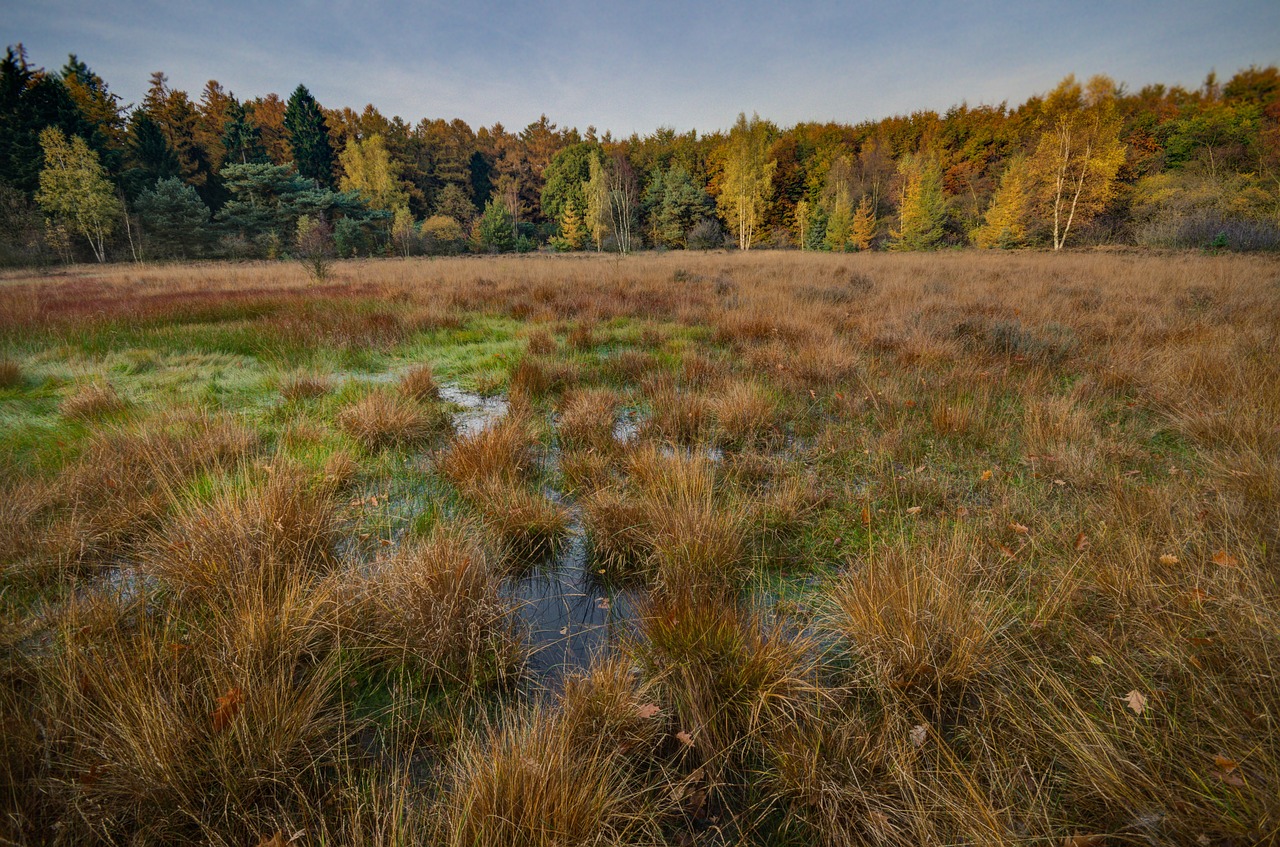
The process is currently underway of developing Ireland's National Restoration Plan, as required under EU regulations.
The EU Nature Restoration Regulation (NRR), which entered into force in August 2024, sets legally binding restoration targets for EU member states - including Ireland - for a range of ecosystems, such as protected habitats and species.
In an update, a Department of Housing, Local Government and Heritage spokesperson told Agriland that Ireland has until September 2026 to submit a draft National Restoration Plan to the EU Commission.
This will set out "how we intend to achieve our obligations under the regulation".
"An Independent Advisory Committee has been established and is tasked with making recommendations to the Minister for Nature, Heritage and Biodiversity on the national plan," the spokesperson said.
"The committee is currently working with stakeholder groups, communities and individuals to ensure that its recommendations work for people as well as for nature."
Assessment
The department said that Ireland already assessed and reported on the conservation status of habitats and species listed in the EU Habitats Directive as required by Article 17 of that directive.
"These habitats and species have been listed because they are considered vulnerable at a European level," the spokesperson added.
The reporting results were published this month, and "will help inform the National Restoration Plan required by the NRR".
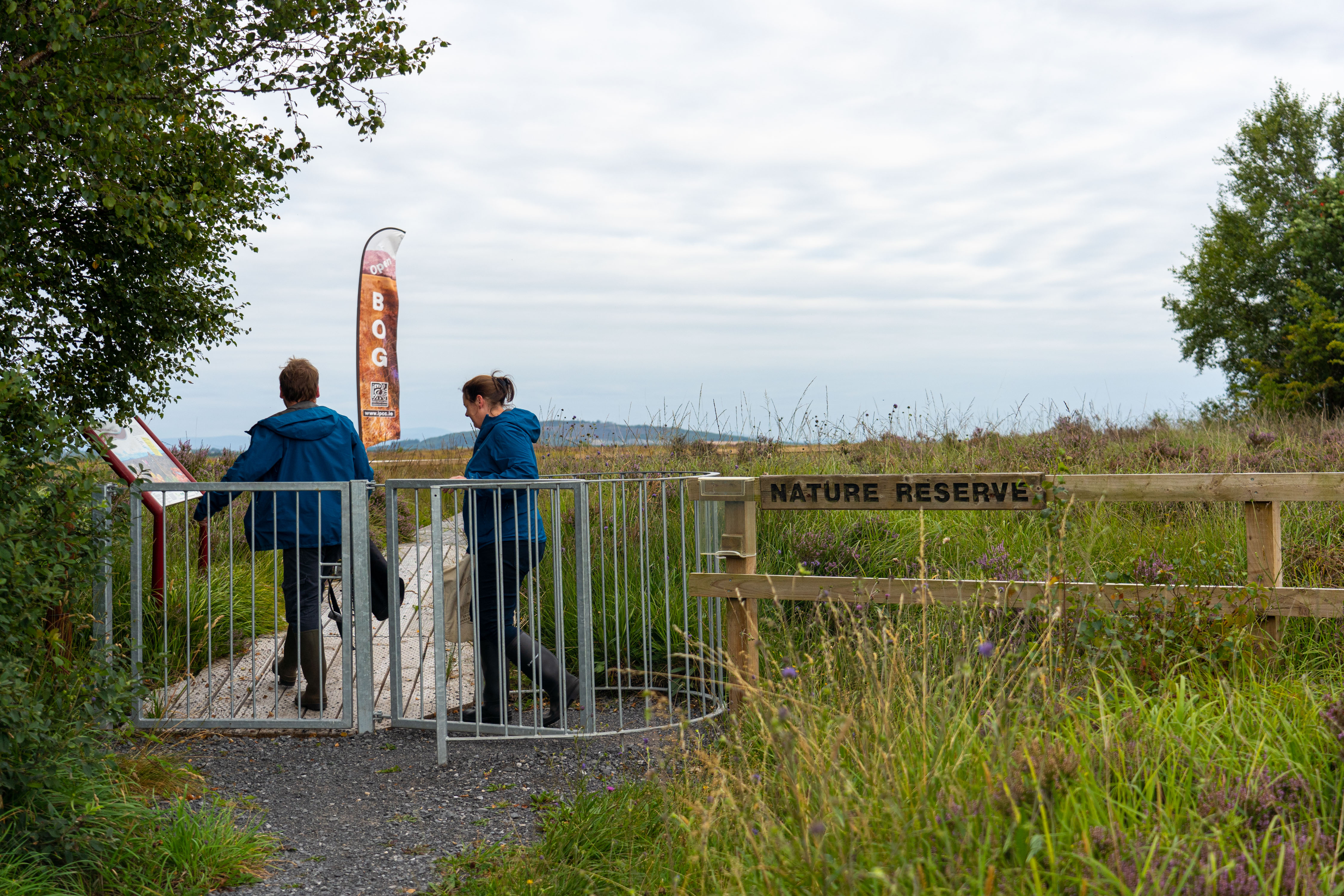
The 2025 report found that 90% of Ireland’s protected habitats are in ‘unfavourable’ conservation status, while 51% are showing deteriorating trends across their national ranges.
This includes sites that are designated as Special Areas of Conservation (SAC) as well as the wider countryside, according to the report.
However, early signs of recovery are evident in areas where focused conservation efforts have been made, with 9% of habitats showing improving trends.
There are further positive findings for species, with 58% in ‘favourable’ conservation status and over two-thirds showing either stable or improving trends.
Participation 'voluntary'
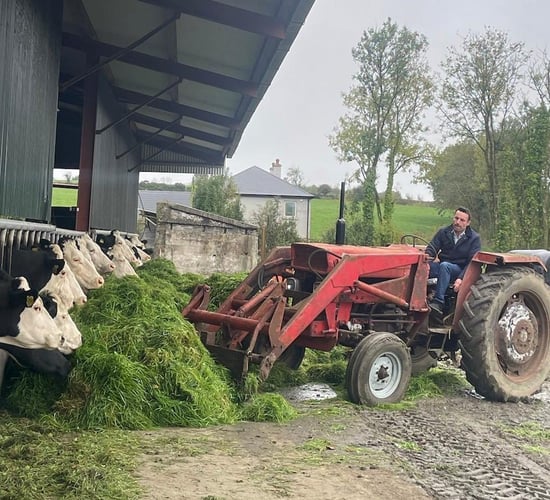
The NRR has generated significant controversy during its development, facing strong opposition from farmers who have concerns around the measures that may need to be undertaken to comply with the regulation.
The Department of Housing spokesperson told Agriland that the government "has been clear that landowner participation in achieving the restoration targets required by the NRR is voluntary".
"The agriculture and farming sector already plays a vital role in protecting nature and biodiversity."
The spokesperson highlighted that many farmers are participating in voluntary nature restoration action under schemes such as the Agri-Climate Rural Environment Scheme, LIFE Programmes, European Innovation Partnerships (EIPs) and the National Parks and Wildlife Service Farm Plan Scheme.
"The legal obligation to achieve the NRR’s targets is on the member state, not the landowner," the Department of Housing spokesperson added.
Biodiversity strategy
The NRR is the first continent-wide, comprehensive law of its kind.
It is a key element of the EU Biodiversity Strategy, which sets binding targets to restore degraded ecosystems, in particular those with the most potential to capture and store carbon and to prevent and reduce the impact of natural disasters.
The regulation combines an overarching restoration objective for the long-term recovery of nature in the EU’s land and sea areas with binding restoration targets for specific habitats and species.
These measures should cover at least 20% of the EU’s land and sea areas by 2030, and ultimately all ecosystems in need of restoration by 2050.