Pre-movement test set for herds with BVD positive calves in 2026

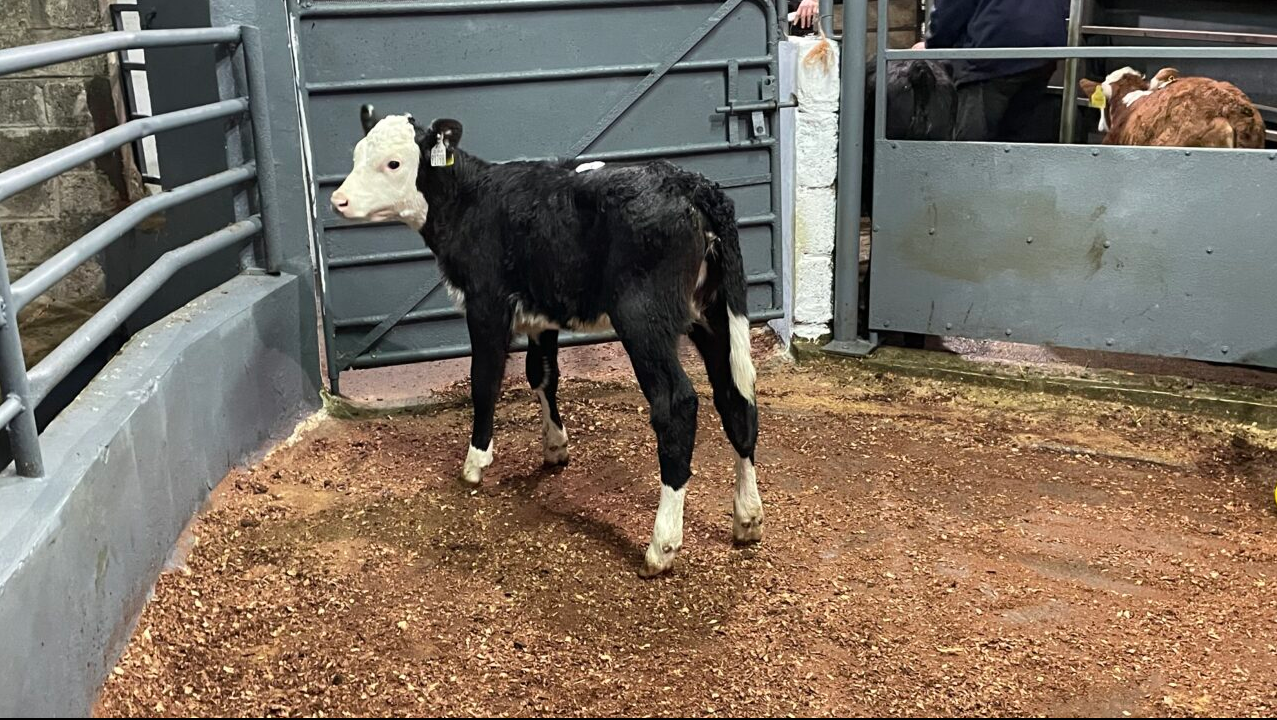
Herds with a confirmed case of Bovine Viral Diarrhoea (BVD) will see major new restrictions introduced from 2026 in an industry effort to fully eradicate the disease.
Animal Health Ireland (AHI) today (Tuesday, December 17) outlined details of the 2026 Action Plan for BVD.
The plan includes measures that aim to "further accelerate progress towards BVD-freedom while supporting farmers and the wider agri industry," according to AHI.
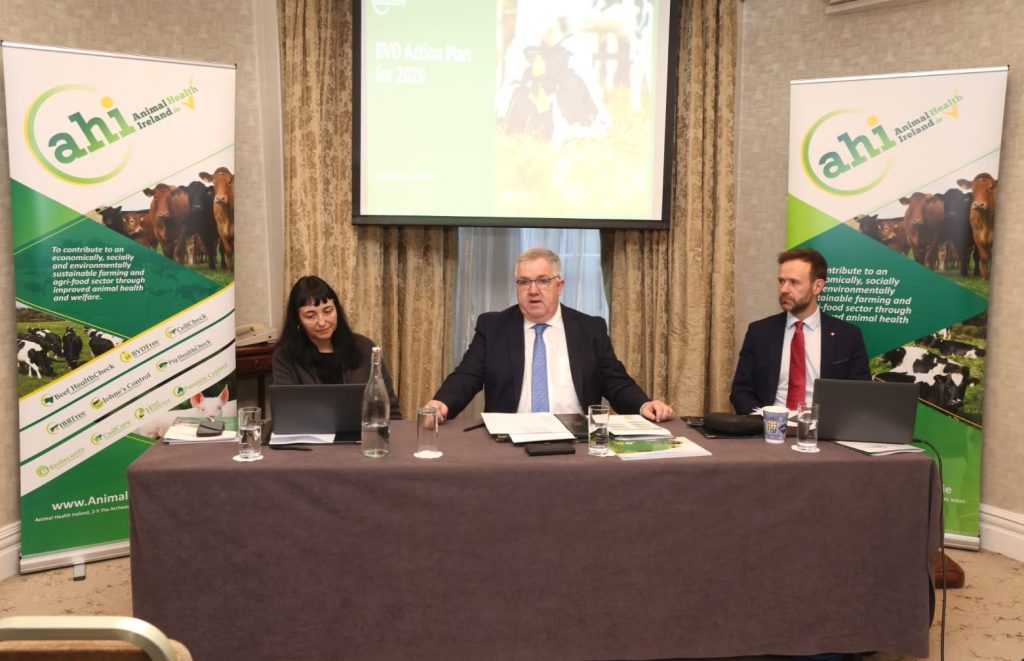
Announcing details of the new measures at an information meeting in Dublin today, AHI's BVD and Infectious Bovine Rhinotracheitis (IBR) programme manager Dr. Maria Guelbenzu set out the action plan for taking tackling BVD in 2026 and beyond.
Key areas that will be addressed include:
- Pre-movement tests to reduce risk of spreading infection to other herds;
- Tailored investigations for herds that are positive for more than one year;
- Application of tracing tools in herd investigations to identify risks and act early;
- Reinforced support for farmers and vets that are dealing with outbreaks to assist them in becoming disease-free as quickly as possible;
- Develop and enhance training and resources to help farmers protect their herds from BVD and tools for vets working with at-risk herds;
- Promote good biosecurity practices in herds at-risk so they can minimise the risk of BVD introduction;
- Communications campaigns around breakdowns, including upgraded neighbour notifications by SMS and letter. Targeted campaigns in at-risk areas and promoting the dissemination of resources on how to protect herds.
Cattle sales will also be restricted from herds with an animal that tests positive for BVD under the new measures.
These herds with BVD cases will also be required to vaccinate their herds over a two-year programme with vaccination to be completed by a veterinary professional.
BVD
Commenting on the action plan, AHI chair, James Lynch, said: “The progress made under the BVD Eradication Programme demonstrates what can be achieved when farmers, veterinarians, industry and government work together towards a shared goal.
"With BVD now confined to a relatively small number of herds, the 2026 Action Plan represents an important step as we continue on an ambitious pathway towards BVD freedom."
Dr. Maria Guelbenzu added: “Led by cutting-edge science and research from the BVD Technical Working Group, we are continuing to make real and tangible progress in our ambition to eradicate BVD.
"Thanks to the commitment of farmers and industry, the programme has achieved remarkable progress: the number of BVD-positive herds has dropped from 11,000 when the Programme started to approximately 200 now."
"This is an extraordinary accomplishment. Now is not the time to relax, however.
"We must double down and push forward as an industry to ensure there is no slippage and we reach our collective goal of BVD freedom as soon as possible."
An overview of the annual economic impact delivered by the BVD Eradication Programme was also presented on the day.
According to the report, the total economic benefit to Irish agriculture is €184.21 million annually in avoided losses and reduced vaccination costs, against €10.3 million [costs] to the farmer.
Commenting on the economic analysis, AHI CEO, Patrick Donohoe, said: “BVD is a very worrying disease for farmers to contend with.
"We clearly see that the BVD Eradication Programme has delivered for farmers, the industry, the government and the entire agri-food sector.
"An annual delivery to the economy of €184 million is a true reflection of the success of the programme and we must all focus our efforts as we push towards BVD freedom.”