Over 4 million bluetongue vaccine doses supplied to vets across Ireland

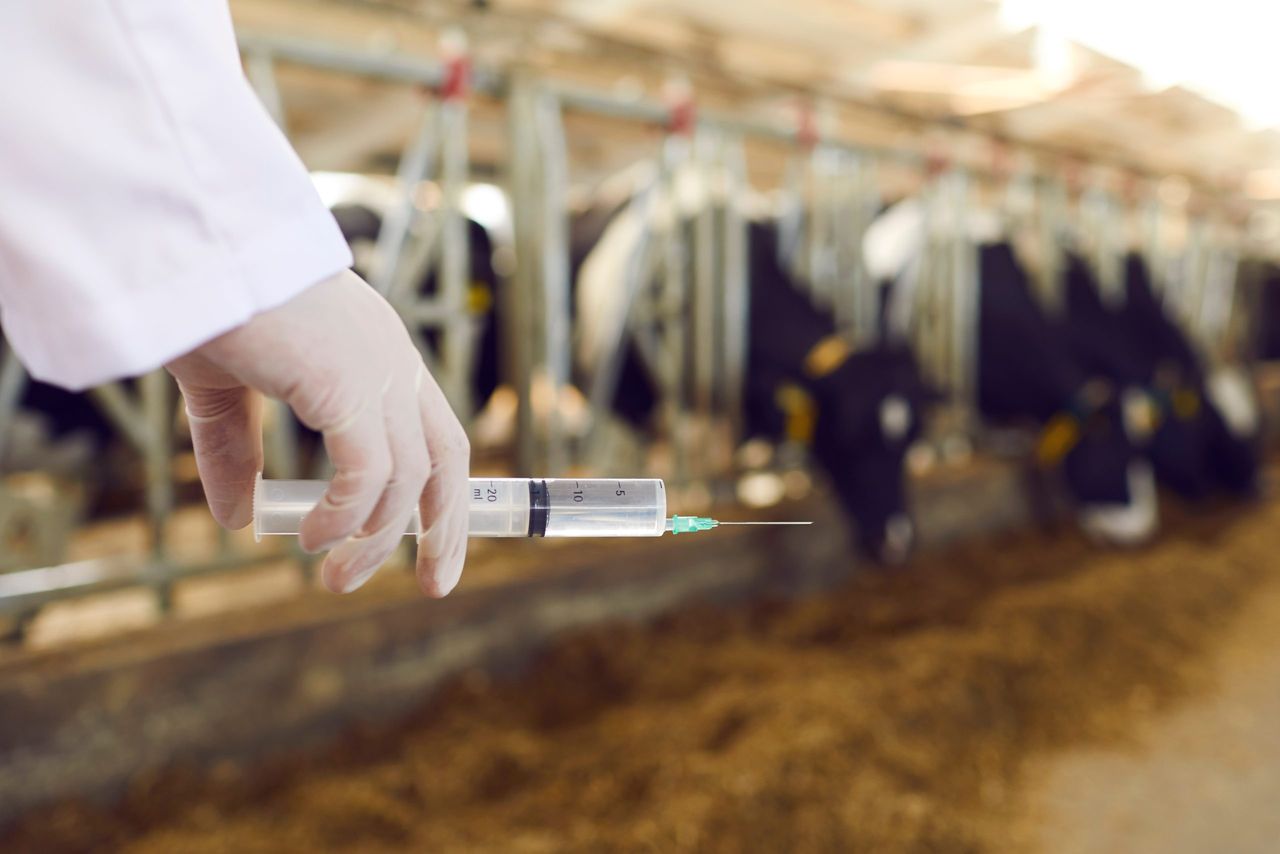
A total of four million doses of BTV-3 (bluetongue) vaccines have now been supplied to private veterinary practitioners in Ireland according to latest official figures
The Department of Agriculture, Food and the Marine (DAFM) has also indicated that there is currently "no shortages of vaccine" in any county.
DAFM confirmed a number of further cases of bluetongue earlier this week.
Total herd cases have now reached 28, with bluetongue identified in 11 counties so far.
The majority of the cases (26) have involved bovines, with two cases in sheep to date in Kildare and Wexford.
There are also two suspect cases of bluetongue currently under investigation in Northern Ireland.
According to the Minister for Agriculture, Food and the Marine "vaccination is the best tool" that the country has to offset the losses which can be caused by bluetongue.
Minister Martin Heydon said: "With the recent detections in both cattle and sheep herds of BTV-3, the majority with clinical signs, farmers that have not vaccinated their stock yet should talk to their private veterinary practitioner as to whether vaccination is appropriate for their flock or herd".
He also highlighted that recent bluetongue cases underline the importance of "submitting carcases of livestock suffering from unexplained mortalities and samples from animals with suspected clinical signs for veterinary investigation".
Bluetongue
Bluetongue virus is spread by infected biting midges.
The high-risk period for bluetongue spread is when midges are most active which is usually between April and November.
According to DAFM sheep are more likely to show obvious clinical signs of bluetongue than cattle if they become infected, and mortality rates can be as high as 70%.
However some animals may also not show any clinical signs and these can pose a risk for spreading the disease to new areas or countries
DAFM has advised farmers that if they suspect that an animal could have bluetongue they should not delay in taking action.
"Isolate the suspect animal indoors immediately and report the case to the Department of Agriculture Food and the Marine," it has urged.