Opportunity for Irish farmers as Mexico abolishes 95% of tariffs

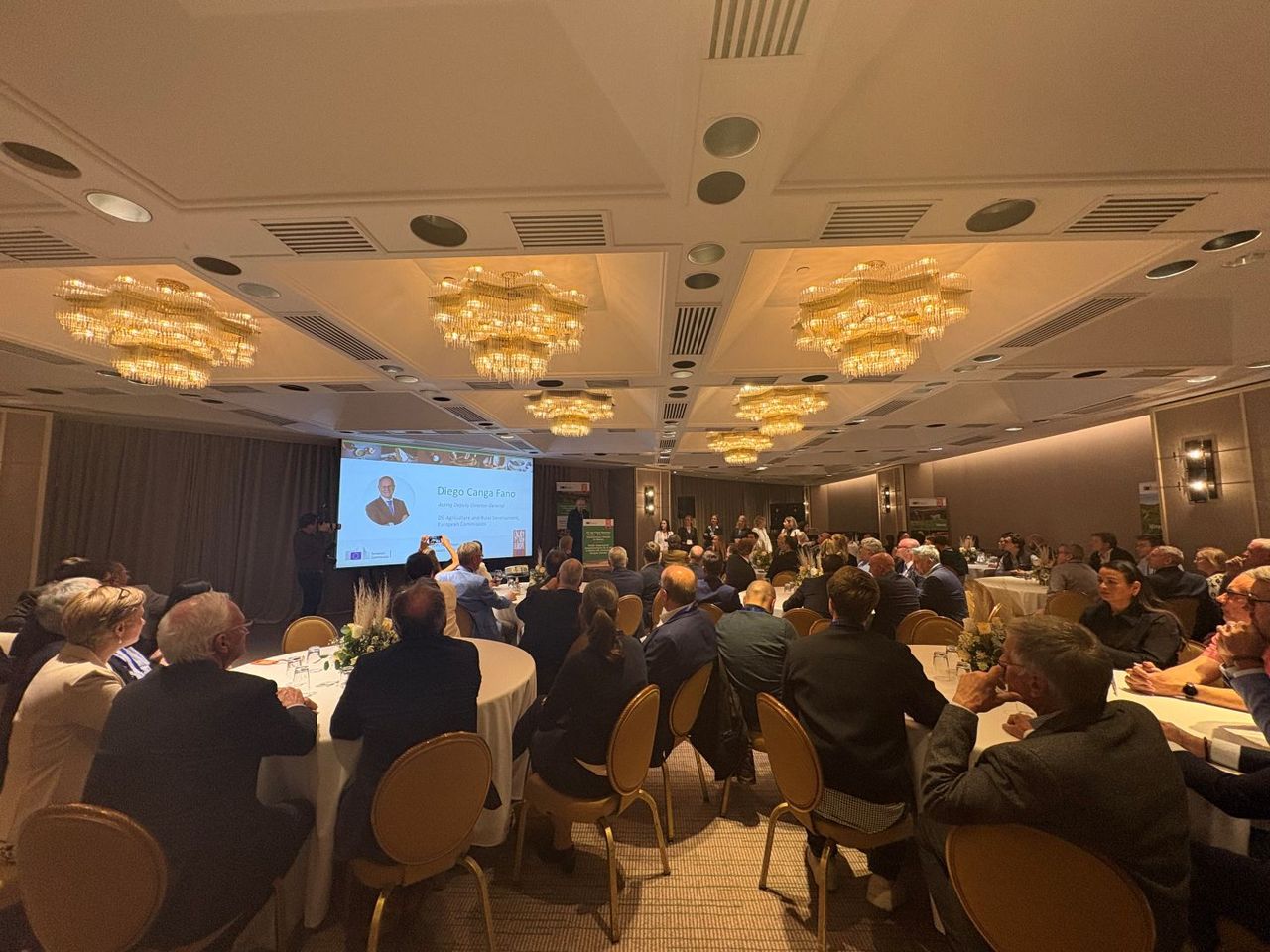
Irish agri-food businesses are among the largest trade delegation that has ever travelled to Mexico City.
Almost 120 business from across the EU were selected to take part in the major trade mission being led by European Commissioner for Agriculture Christophe Hansen.
The Irish companies and organisations which were successful in their applications to take part with the ambition to drive exports to the Mexican market are:
- Bord Bia;
- Tirlán;
- Glenstal Foods Ltd;
- Lakeland Dairies;
- ELEMENT Irish Whiskey;
- Robert A. Merry & Co. Ltd.
Over the course of this week, representatives from these businesses and organisations will get the opportunity to meet contacts in the import industry in Mexico and hold face to face meetings to develop relationships which could contribute significantly to Ireland’s agri-food exports.
While the trade mission is being led on an EU basis, acting deputy director-general of DG AGRI in the European Commission, Diego Canga Fano, told delegates at a gathering last evening that the commission is happy for the businesses to generate business under their national flag or under the EU flag, wishing them every success.
The areas which Mexican representatives will be looking to do business are in meat, dairy, fruit and vegetables, and drinks.
Mexico trade
The EU is Mexico’s third biggest trading partner in goods while Mexico is the EU’s second biggest trading partner in Latin America.
With a population of 132 million, the opportunities this market can offer to European, and in turn, Irish farmers, is immense.
EU exports to Mexico in goods totalled €53 billion in 2025 while services amounted to €20.3 billion.
Total trade in goods in 2025 between Ireland and Mexico was €5.5 billion, while total trade in services was €3.7 billion.
There are currently almost 300 Irish businesses exporting to Mexico.
Breaking the figures down in terms of our agricultural export output to the Latin American country, exports of Irish dairy products to the region totalled €53 million last year.
Wine, beverages and food preparations accounted for another €15 million while spirits and liqueurs totalled €14 million.
The EU as a whole meanwhile, sells more than 1% of its worldwide food and drink exports to Mexican consumers.
It terms of the different categories of products exported by the EU to Mexico in 2025, see the table below:
| Product | Value | % of total |
|---|---|---|
| Dairy | €175 million | 7% |
| Vegetables | €253 million | 10.1% |
| Mixed food preparations and ingredients | €286 million | 11.4% |
| Wine and wine-based products | €211 million | 8.4% |
| Cereal preparations and milling products | €271 million | 10.8% |
| Other | €1.3 billion | 52.5% |
Opportunities for farmers
The EU-Mexico Modernised Global Agreement, which was signed earlier this year, is aimed at supporting the EU farming community by removing prohibitive Mexican tariffs on key EU agri-food exports.
It will also protect 568 traditional EU products (geographical indications) from imitation.
The current value of EU annual food and drink exports to Mexico is €2.5 billion.
This agreement means that in terms of meat exports, EU products of poultry and pork will now have no Mexican customs duties and pork loins will have no customs duties for 10,000t.
Dairy is also set to benefit, with zero tariffs for blue cheeses and yoghurt, and no tariffs for other cheese or fresh and processed cheese up to 20,000t and 5,000t respectively.
Standards
The EU has stated that all imports from Mexico must meet existing EU rules on: consumer safety; animal and plant health; and food safety and genetically modified organisms (GMOs).
The two markets (EU and Mexico) have also agreed to cooperate more closely to raise standards of welfare for animals reared to produce food products.
Both the EU and Mexico have also agreed to set up a working group to exchange experiences and best practices in terms of tackling resistance to antibiotics and other issues.
Speaking to business delegates at an event in Mexico City last evening, corporate sommelier at La Compana del Vino, Ronnie Hulshof, who has been based in Mexico for 20 years, told business that Mexicans value the premium nature of EU goods when considering imports.
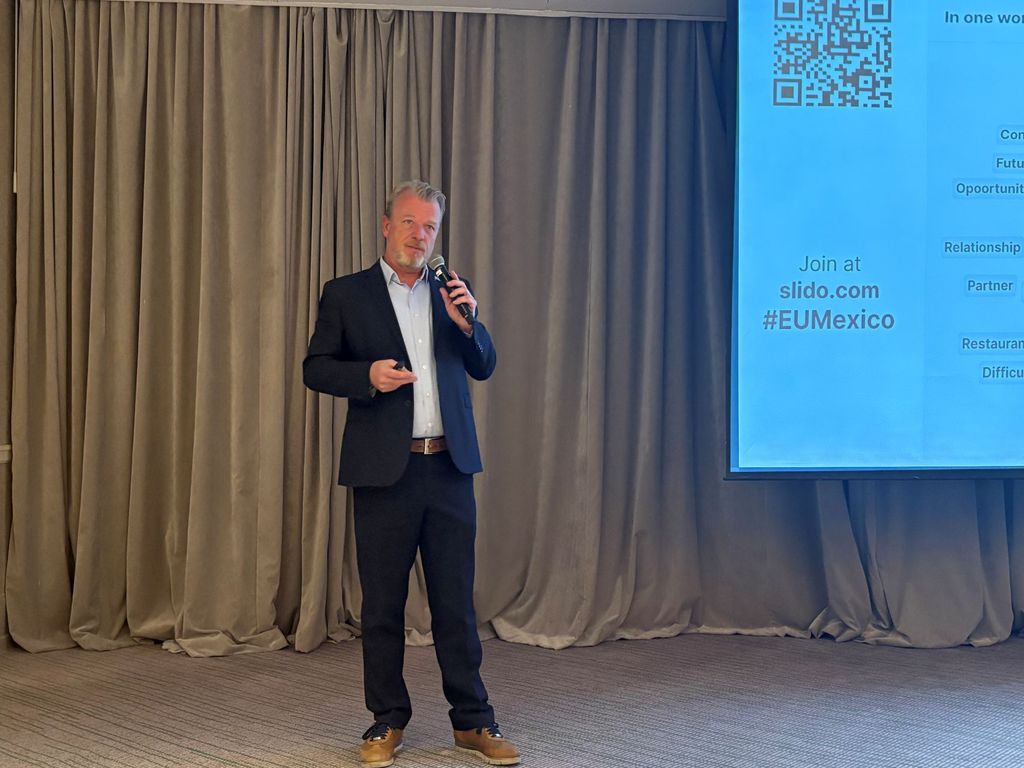
While many people might be under the assumption that money and pricing is the most important element of securing Mexican business, he said that the high-quality premium nature of European products is a better selling point as Mexican buyers value this.
When it comes to Ireland’s grass-fed image and way of farming, it bodes well for further opportunities to this market for agri-food products.