Opinion: The autumn has arrived

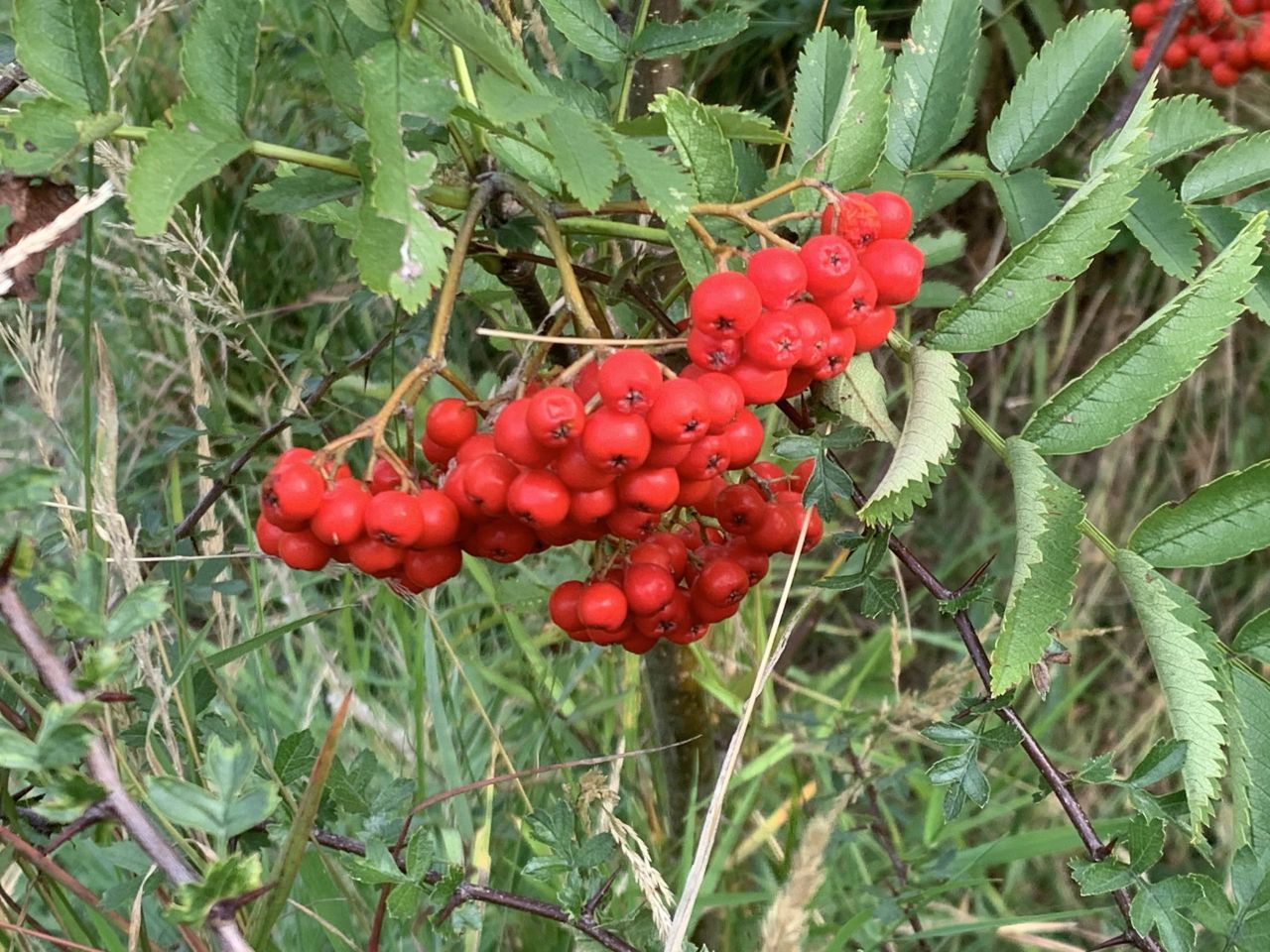
Yes, the autumn has arrived, and for many farmers it will be the busiest time of what has been a very challenging year.
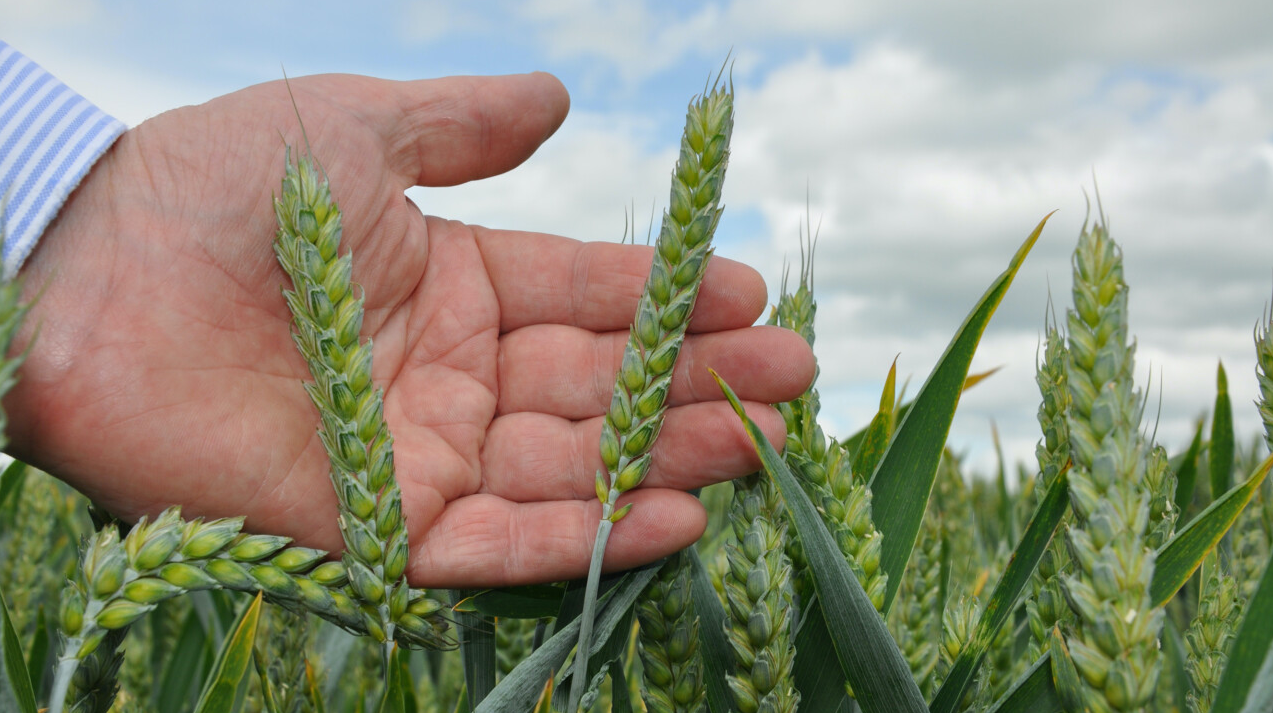
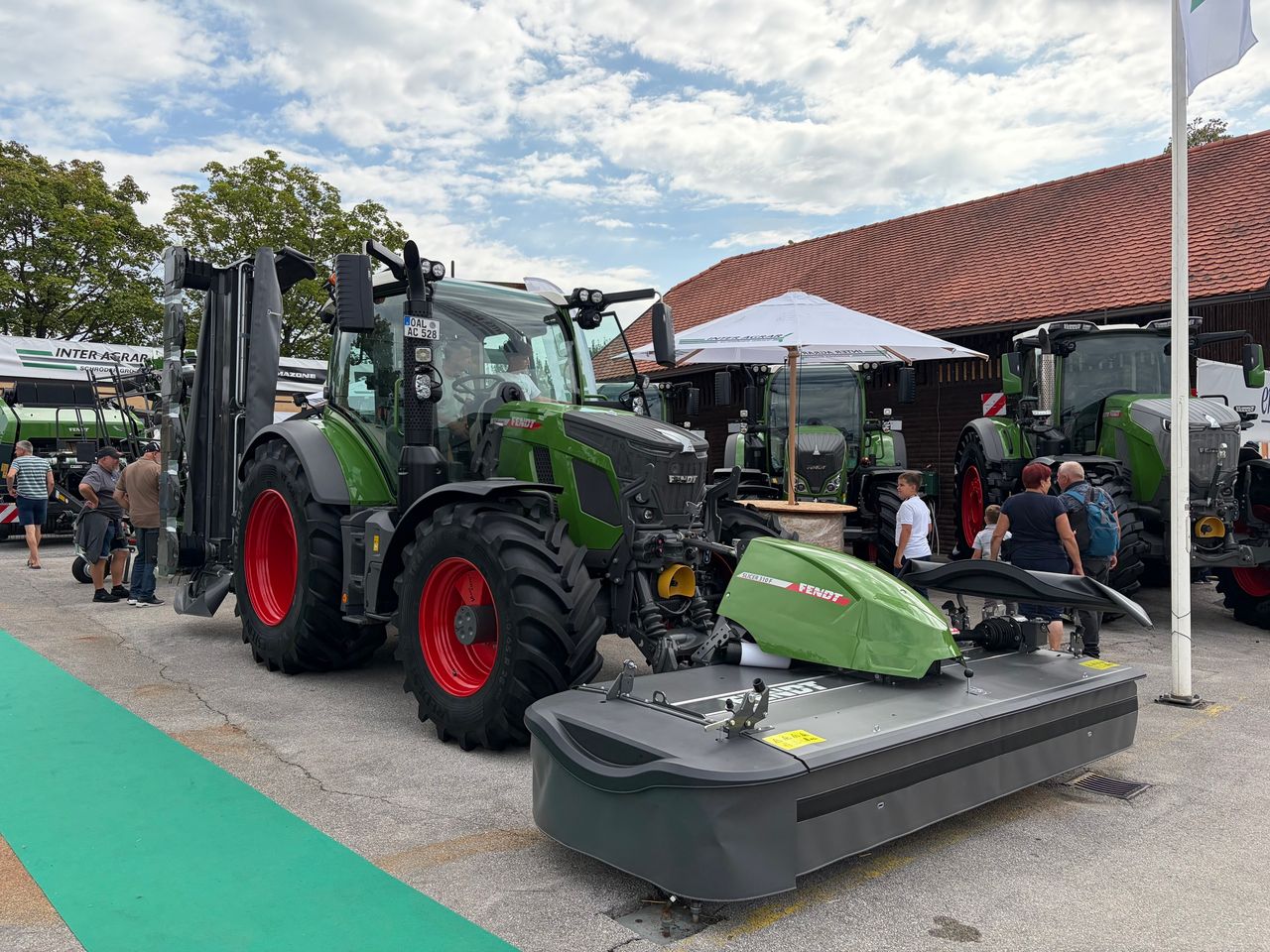
From a tillage perspective, harvest 2026 has still to be competed while the prospect of the autumn planting season beckons.
So let’s hope the weather holds up to allow this work progress in a strategic manner.
Meanwhile, the push is on to get farm preparations in place for the winter ahead.
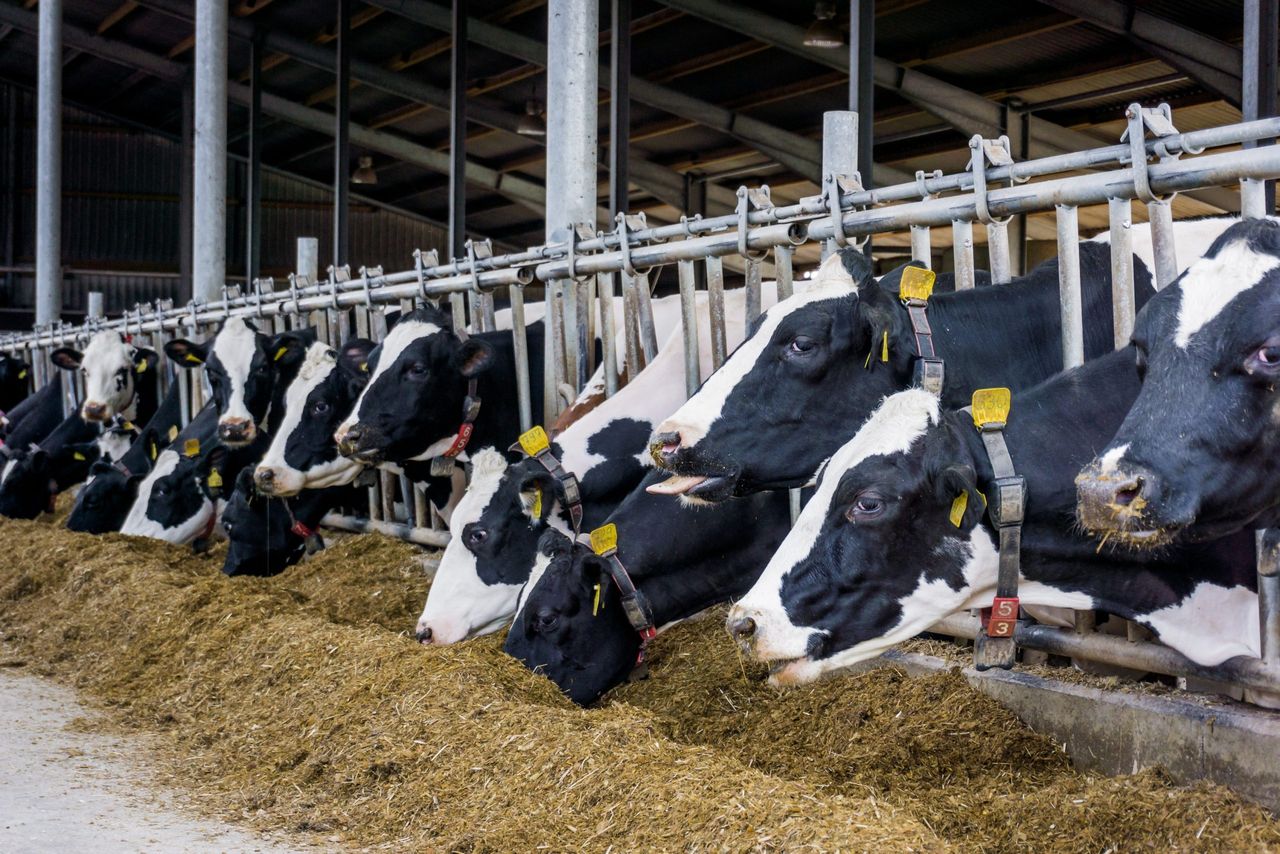
Sheds will, no doubt, need cleaned out and repair work undertaken in time for the new housing season.
Silver linings
But, somehow, one gets a sense that the drought conditions of the summer months might well deliver a welcome boost as the nights start to close in.
Recent rains have fallen on soils with inherently high temperatures.
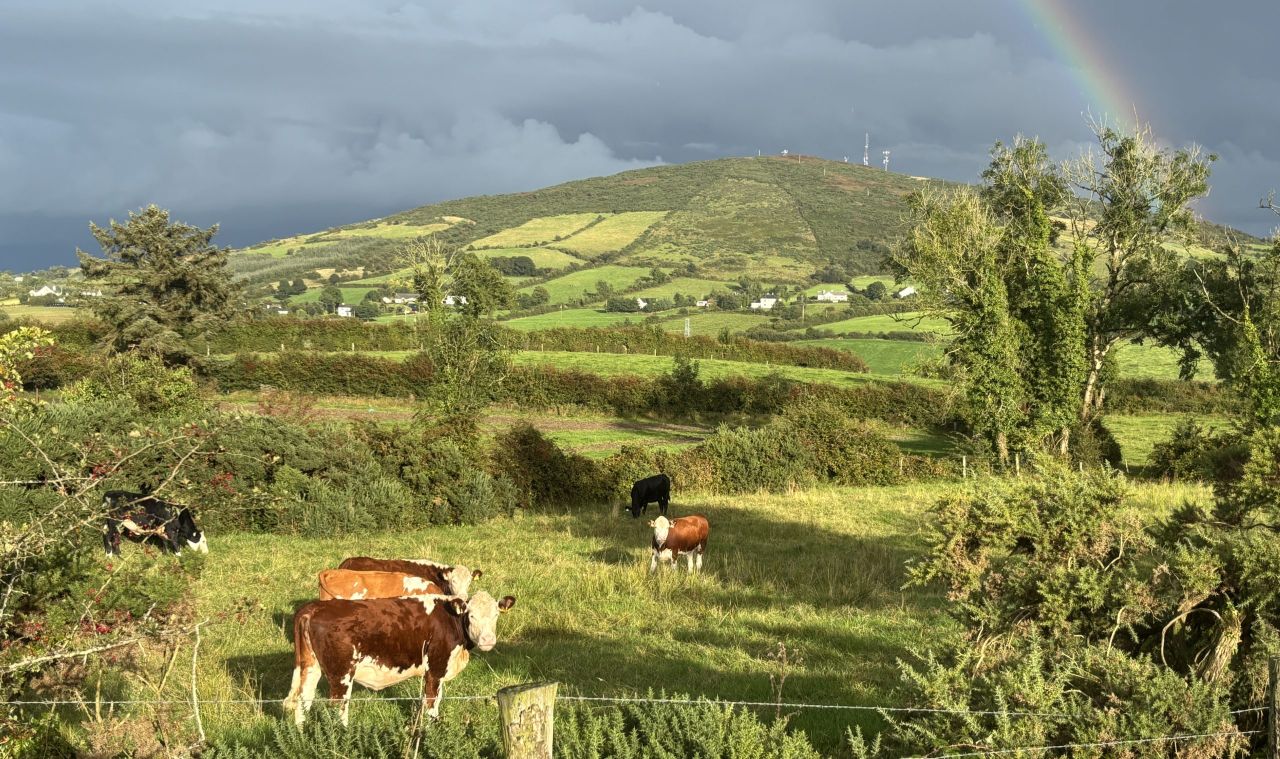
This means that all farm businesses can expect very high levels of grass growth over the coming weeks.
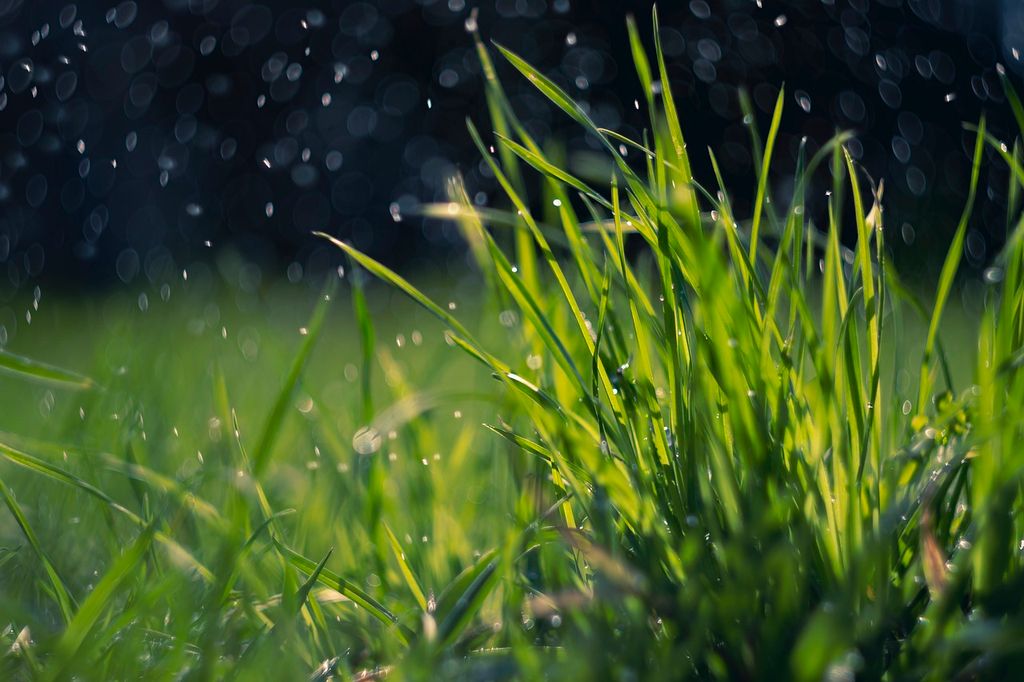
Within this type of scenario, a meaningful extended grazing period beckons. This is assuming that we get normal rain patterns during the autumn period.
Shortening the winter feeding period constitutes a real saving for farm businesses that have had to confront the very real challenge of increased costs since the turn of the year.
Moreover, the fact that ground conditions are holding up so well will give farmers a chance to get on with the likes of grass re-seeding projects in a stress-free manner.
Good ground conditions will also allow arable farmers get on with the planting of autumn cereal crops in ways that will ensure optimal establishment rates.
So, yes, the autumn of 2026 holds out so much promise for farm businesses the length and breadth of Ireland. Let’s hope that all of this potential can be fully harnessed.
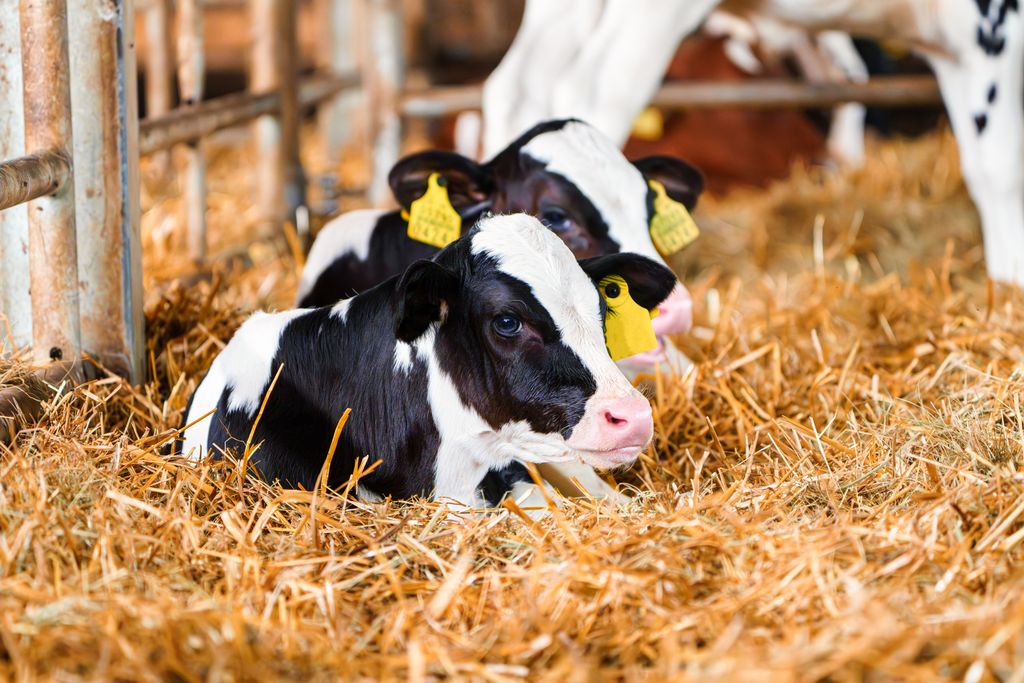
For many dairy farmers, the beginning of September marks the start of the all-important autumn/winter calving season.
And there’s a lot at stake as milk producers look the future: uncertainties abound.
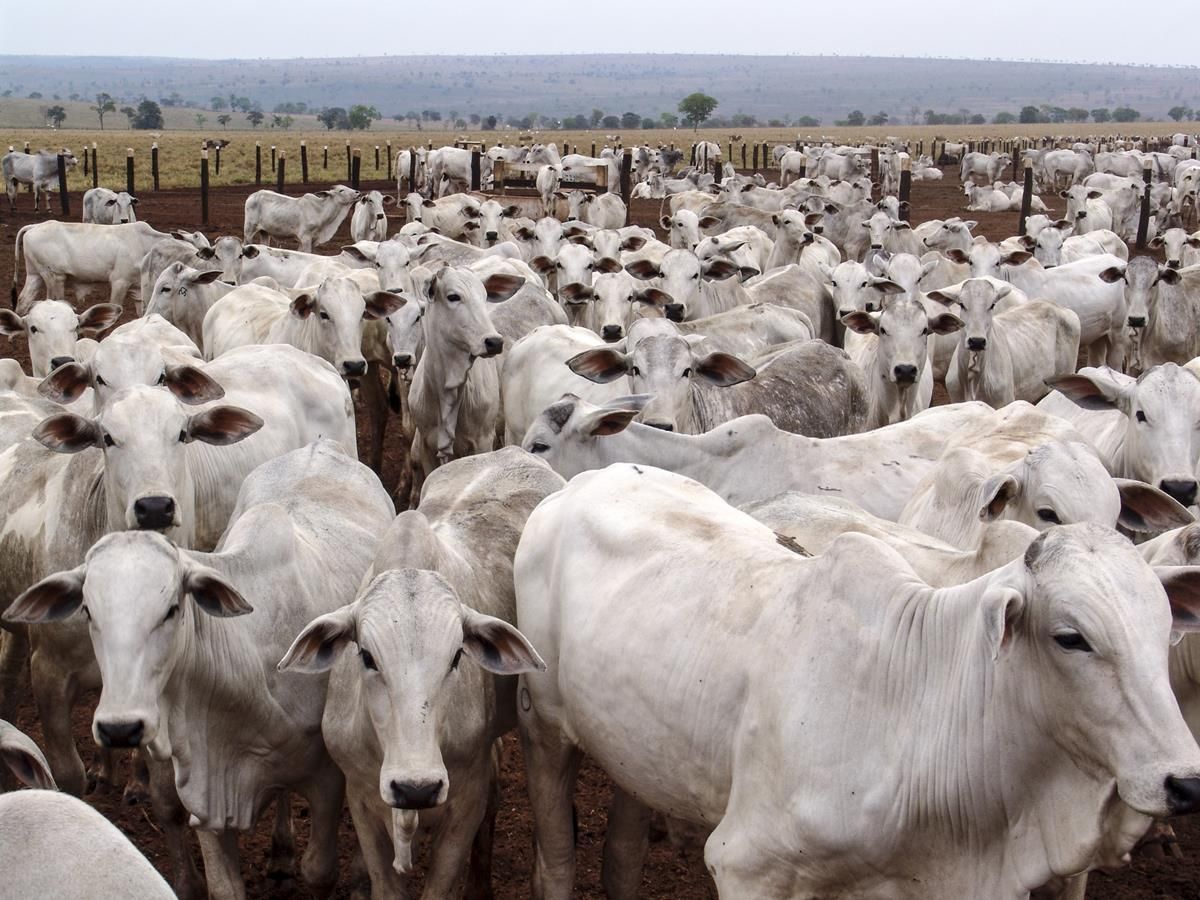
For example, just how big an impact has bluetongue had on calf viability over the past months? We won’t have long to find out.
The other big imponderable is that of mycotoxin contamination levels in both grass and wholecrop silages.
One issue though is certain. All crops came under tremendous heat stress during the summer months.
These are the conditions that suit the growth of moulds: the microorganisms that produce mycotoxins.
Again, time will tell if this potential challenge becomes reality.
With the vast bulk of the harvest season now almost complete, autumn also provides farmers with an opportunity to reflect on the progress they have made up to this point of the year.
There’s nothing like the satisfaction of seeing new plans coming to fruition in a meaningful way. And then it’s a case of building again for the future.