Oak is 'key to future afforestation and habitat improvement' - report

A new report has been published on demand estimates for forest tree seed and plants for the period to 2035.
Minister of State at the Department of Agriculture, Food and the Marine, Michael Healy-Rae has announced the publication of the All-Ireland Forest Reproductive Material Demand Forecast.
This report provides an analysis of potential demand for seed and plants on the island of Ireland for a range of tree species and purposes out to 2035.
Welcoming the report, Minister Healy-Rae said: “This new study provides a comprehensive analysis of the future demand for seed and plants for the forest sector.
"This information is vitally important to plan for securing supply of young trees to meet the needs of the forestry sector.
"I would like to thank the report’s authors and members of the COFORD Council Forest Genetic Resources Working Group for their hard work in producing this forecast.”
The report includes a comprehensive analysis of available data, industry views and policy scenarios.
Plant demand
Five key drivers of plant demand were identified in the report: forest regeneration; grant-aided afforestation; farm-based tree planting as part of agri-environment schemes; tree planting outside of grant schemes; and tree planting to align with national habitat conservation and restoration commitments.
Under the baseline scenario, total plant demand is projected to increase from 34.31 million in 2025 to 52.72 million in 2035, totalling 492.67 million plants over the forecast period.
This represents a significant increase in the overall estimated demand for plants over the period.
A key takeaway from the report is that forecasts of demand are "crucial to guide sustainable forestry and expansion of tree cover".
"To meet this demand, forest nurseries require accurate demand forecasts due to the lead-in time to produce planting stock, which can range from two to four years depending on species," the report said.
"The difficulty of advance planning is compounded by Ireland’s oceanic climate, which affects seed production, especially for broadleaf species like oak, which may only produce major crops every five to 10 years.
"Additionally, some large-seeded species cannot be stored for long periods, making forecasting even more critical.
"Information sharing on demand is essential to efficiently meet ambitious forestry and environmental targets."
Reforestation
According to the report, reforestation is the "most significant and stable contributor to activity".
"Reforestation is the most significant planting category, accounting for 76% of total forecast planting in [the] Republic of Ireland and 56% in Northern Ireland under the baseline scenario.
"The drivers of reforestation activity and the species mix are well understoodand based on robust estimate, which lends added confidence to the forecast.
"Under the 100% afforestation policy achievement scenario, reforestation’s share of total demand decreases to 59%, while afforestation’s impact almost doubles to 26%."
Sitka spruce remains dominant, but with a weakening share, according to the report.
"Sitka spruce remains the main species in demand across all scenarios, with annual demand increasing from 19.86 million in 2025 to 25.81 million in 2035 under the baseline.
"Its growth is primarily driven by increased reforestation as a consequenceof the age profile of existing private forests."
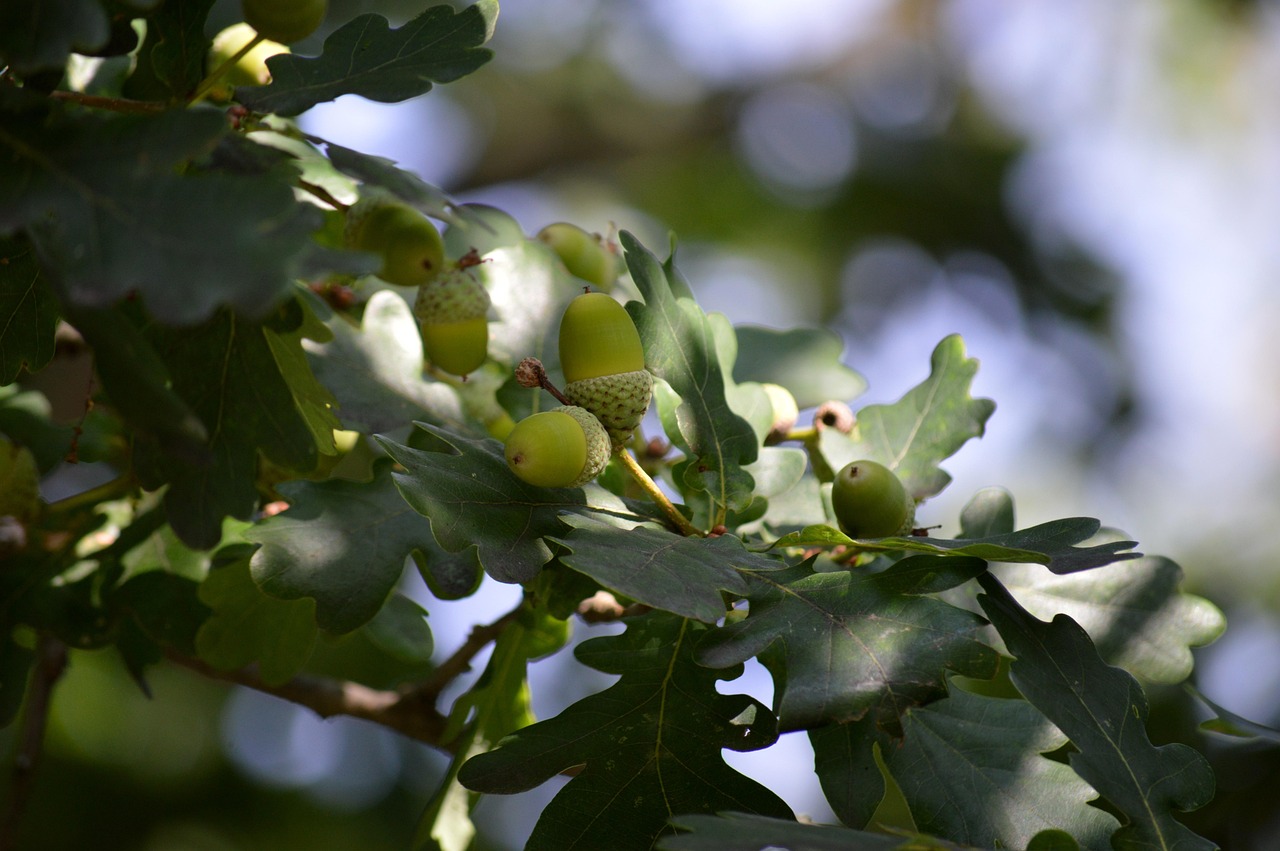
Oak, however, is "key to future afforestation and habitat improvement".
"Demand for oak is projected to rise significantly in all scenarios, almost doubling from 3.1 million plants annually to 5.8 million by 2035 under thebaseline," the report said.
Increase in this demand could be driven by "forest policy emphasising broadleaves, a decrease in the reliance on ash, the critical role of oak in native woodland establishment and the anticipated Nature Restoration Law targets for oak woodland".