Next Water Action Plan must be 'more focused on delivery' - EPA


The next Water Action Plan must be a delivery plan, not simply a continuation of existing activity, the Environmental Protection Agency (EPA) has said.
In February, the Department of Housing, Local Government and Heritage opened a public consultation as part of the development of Ireland’s fourth Water Action Plan covering 2028–2033.
A draft version of the plan is due to be published by December 2026.
Each EU member state is required to review and update national plans every six years and set out a roadmap of actions to protect and improve the water environment as required under the Water Framework Directive (WFD).
Water Action Plan
In its submission, the EPA said that the next Water Action Plan "should act as a delivery framework that aligns water, agriculture, land use, climate, biodiversity, planning and restoration measures at catchment level".
"With increasing demands on public resources, and with the anticipated decrease in the budget to support the next Common Agricultural Policy (CAP) 2028-2034, the plan should be explicit about where multiple benefits can be achieved and what structures or measures are needed to deliver them," the agency said.
The recently published EPA Water Indicators Report 2025 found little overall change in water quality in 2025. Improvements in some areas were offset by declines elsewhere.
The EPA said this reinforces the need for targeted actions to be implemented at greater scale and pace.
"It is now clear that Ireland will not meet the EU and national goal of restoring all waters to good or better status by 2027.
"The next Water Action Plan must therefore be more ambitious, more urgent and more focused on delivery.
"Targeted action is delivering local improvements, but it is not yet sufficient to reverse national decline," the submission stated.
EPA
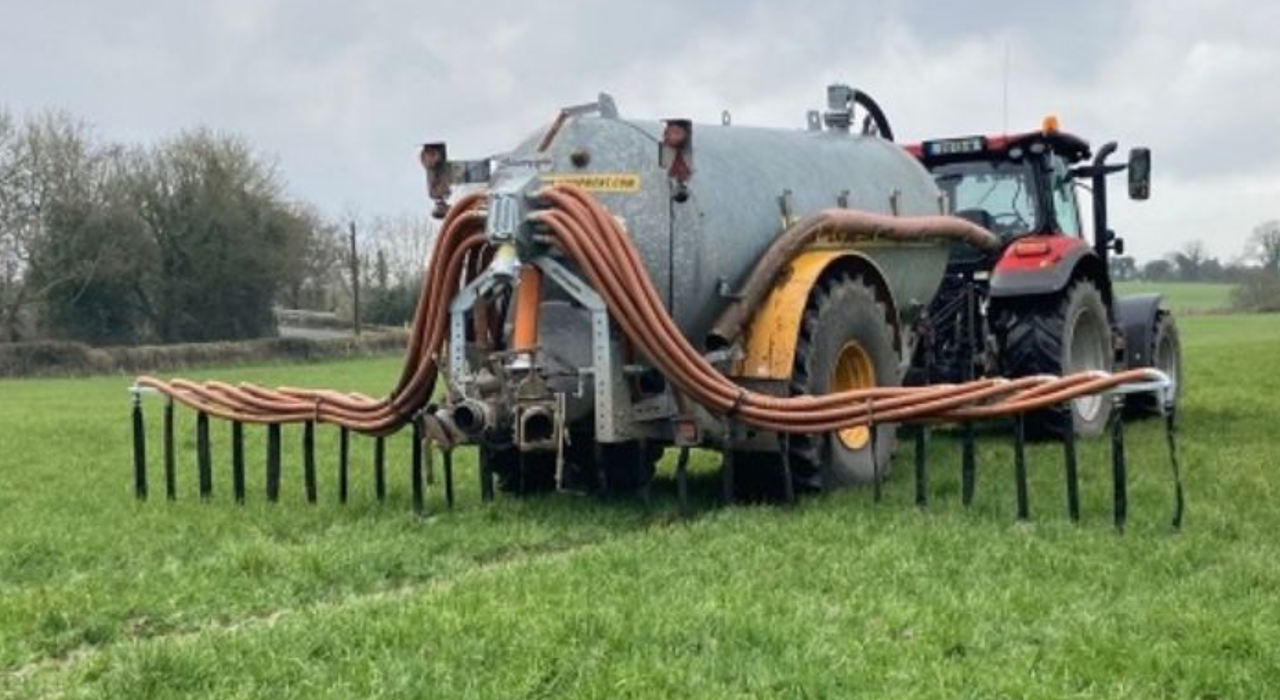
The EPA said excess nutrients from agriculture and waste water remain the most prevalent pressure impacting on water quality.
The agency said that "immediate, substantial and sustained reductions in nitrogen and phosphate pollution are required to prevent further deterioration in water quality, especially in the southeastern half of the country".
The submission noted that "significant invesment" is already in place to address nutrient pollution.
"The issue is no longer simply the absence of activity. It is whether actions are sufficiently targeted, implemented quickly enough and delivering measurable improvements," the EPA said.
The agency said the agriculture sector is "central to the development and implementation of catchment-based measures that deliver multiple benefits".
It added that the next agri-environmental scheme should build on the learnings from the Farming for Water European Innovation Partnership (EIP).
Impact
The EPA recommends that the key question the next Water Action Plan needs to address is ‘Are the measures working?’.
"Analysis of whether, where and how measures are working should be a cornerstone of the fourth cycle plan.
"Where evidence shows that measures are not working, learning should be captured and measures strengthened at the earliest opportunity.
"The evidence shows that targeted action can work, but it must now be implemented at greater scale, with clearer accountability and better evidence of effectiveness," it added.