New midge-borne disease detected in Spanish cattle for first time

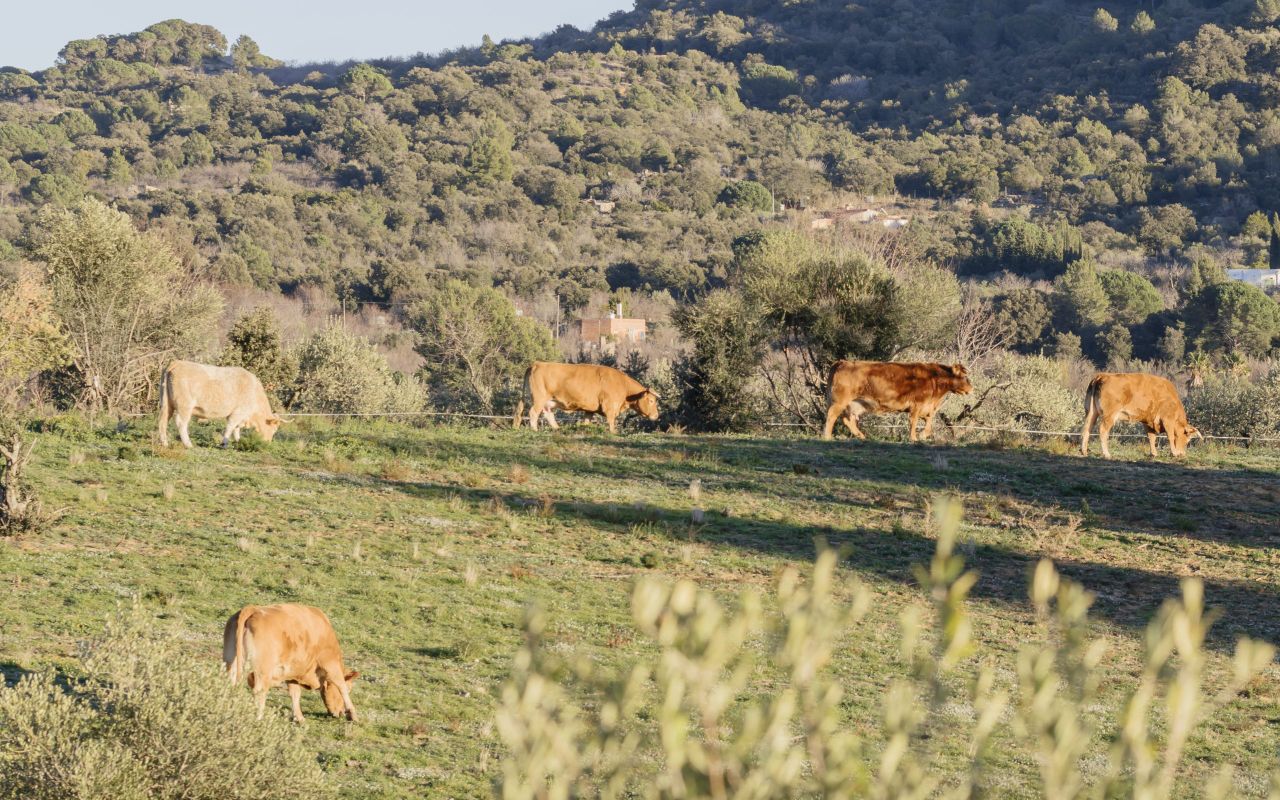
Spanish authorities have confirmed the first detection of Epizootic Haemorrhagic Disease (EHD) virus serotype 7 in the country, with cases identified at three cattle farms.
This is the first indication that the EHD serotype 7 has been identified in the European Union, previously EHD serotype 8 has been detected.
The virus is spread by infected biting midges - Culicoides species - which are also responsible for transmitting bluetongue and Shamonda viruses.
Veterinary authorities from the Andalusian Regional Government, the Extremadura Regional Government and the Castilla-La Mancha Regional Government reported three outbreaks of EHD serotype 7 in three cattle farms located in the provinces of Cadiz, Badajoz and Ciudad Real.
According to inital reports the animals on the three affected farms showed "fever and lesions on their mucous membranes".
Samples had been collected on the farms as part of Spain's ongoing national surveillance programme for bluetongue and EHD.
According to Spanish authorities there are two authorised vaccines for serotype 8 which are available in the country but they are not effective against serotype 7.
Cattle
According to the Department of Agriculture, Food and the Marine (DAFM) EHD is currently not present in Ireland.
However the department has warned that a "significant circulation" of the EHD virus across Europe increases the risk of spread to Ireland.
"A potential outbreak would have a significant negative impact on animal welfare and trade within the livestock sector.
"The disease can cause serious illness and death in some affected animals," DAFM has outlined.
According to the department the disease does not pose a risk to humans or to food safety.
Similar to bluetongue and Shamonda transmission of the virus happens when midges feed off the blood of an infected animal and then spread the virus to any subsequent animals they bite.
DAFM has highlighted that the higher-risk period for disease spread is when midges are most active, which in Ireland is usually between April and November.
However milder temperatures can mean that the midges that are responsible for spreading viruses like bluetongue and EHD can remain active for longer periods.
Wind speed and direction can also affect how far midges can travel and could potentially facilitate the spread of the disease if there was an outbreak in Ireland.