Mullooly criticises Irish role in EU food-labelling talks

The Irish presidency did not have "the courage to take the political lead" on EU food labelling negotiations, according to one MEP.
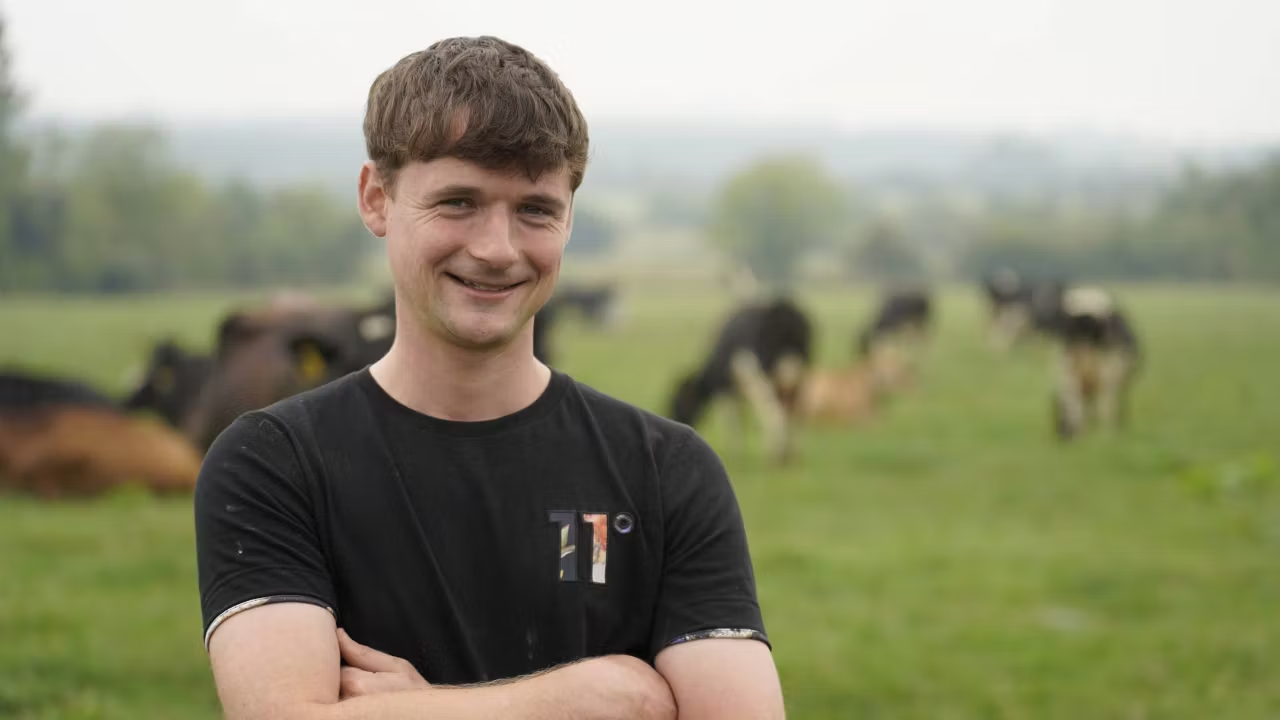
Independent Ireland MEP Ciaran Mullooly made the comments following negotiations involving European Parliament, the Commission and Commissioner for Agriculture Christophe Hansen and the Council.
The Council was represented by Ireland, which currently holds the Presidency.
Mullooly welcomed the commitment from both the European Council and the European Commission to prioritise country-of-origin labelling in their future work on the EU livestock strategy, following intensive negotiations on the Organic Regulation.
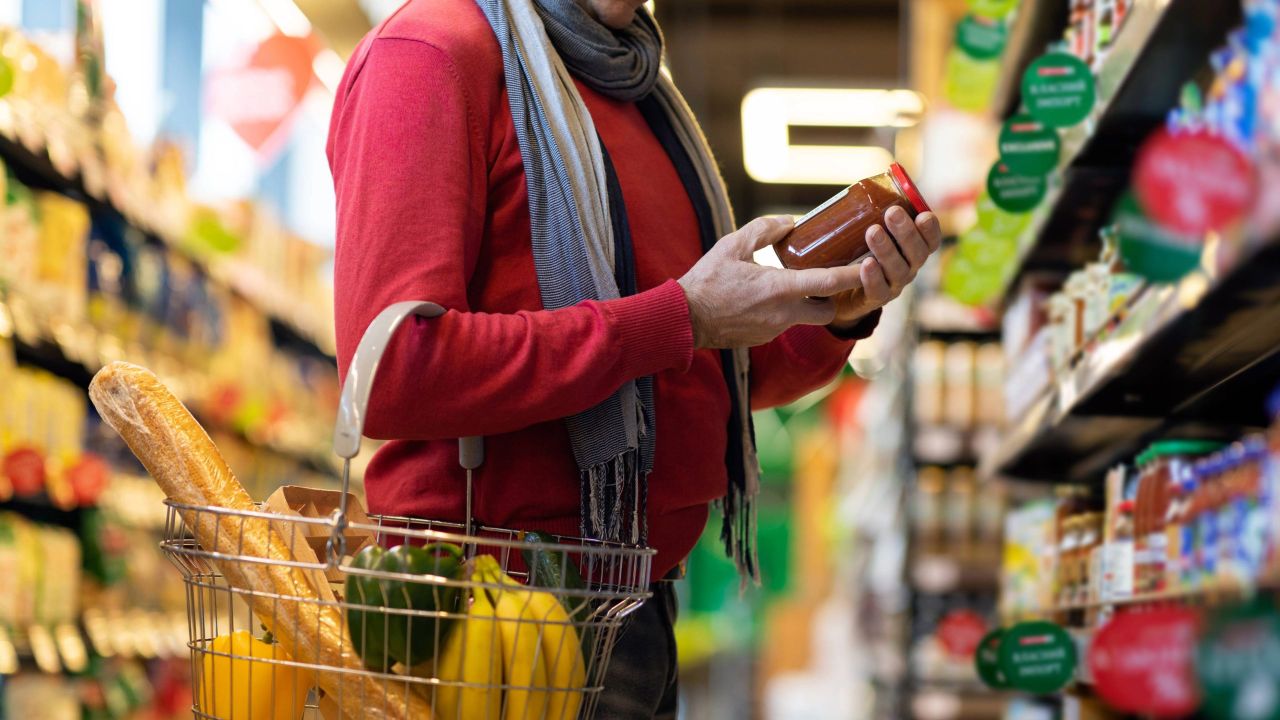
He said: “Consumers are entitled to know where their food comes from.
"They expect labels to provide meaningful information so they can make informed choices.
Descriptions such as ‘EU agriculture’ or ‘non-EU agriculture’ are far too vague."
The MEP added that where all the agricultural ingredients come from one country, that country "should be clearly named".
He said he was "disappointed" that the European Commission and the European Council had not dealt with the issue earlier, stating that cost and further regulation were cited as an "impediment to putting greater clarity and transparency in place for consumers".
He said: “At all stages, I pointed out that the regulation applied to single ingredients, and the country of origin was the key factor that both farmers and consumers have repeatedly called for in new labelling within Europe and outside.”
However, he added that it was “disappointing” that the Irish presidency “had not the courage to take the political lead on this issue - at a time when they, more than anyone, should be fully aware of the demand from the public for greater clarity when it comes to importing meat, organics, and all food products into this country".
The MEP described progress on country of origin on food labels as “an important step forward”.
“It is a commitment to further action, and we will continue pressing to ensure it delivers clear and practical labelling requirements for consumers and producers," he said.
Additional rules
As well as labelling, an agreement was reached in the EU on rules for the production, certification and trade of organic products.
It has been described as "a strong result for farmers" by Minister for Agriculture, Food and the Marine, Martin Heydon.
The aim is to “support the competitiveness of the EU’s organic sector while maintaining high standards and consumer trust”.
It is expected that this targeted revision will make existing rules clearer and easier to apply.
There will be no EU organic logo for products with non-compliant ingredients.
The council and parliament agreed to remove the commission’s proposal to allow the EU organic label be used on products containing less than 5% of ingredients from non-EU countries that do not meet additional criteria.
Also, the agreement provides temporary flexibility for the use of non-organic protein feed for poultry and pigs, as well as for aquaculture juveniles.
These derogations will be phased out gradually.