Liver fluke expected to be prevalent in Atlantic coastal regions

The liver fluke forecast from the Department of Agriculture, Food and the Marine indicates that the disease will be prevalent in many Atlantic coastal counties this winter.
Each year, the department, in collaboration with Met Éireann, University College Dublin (UCD), Teagasc and Animal Health Ireland (AHI) advises farmers of the predicted risk of disease caused by liver fluke (Fasciola hepatica) infection in livestock for the following winter.
The department said that liver fluke infection tends to be chronic in cattle, resulting in ill-thrift and poor performance. Though chronic disease can also occur in sheep, infections may also result in more acute clinical signs, and sudden death in cases of heavy challenge.
This year’s forecast is based on meteorological data gathered between May and October 2026 by Met Éireann.
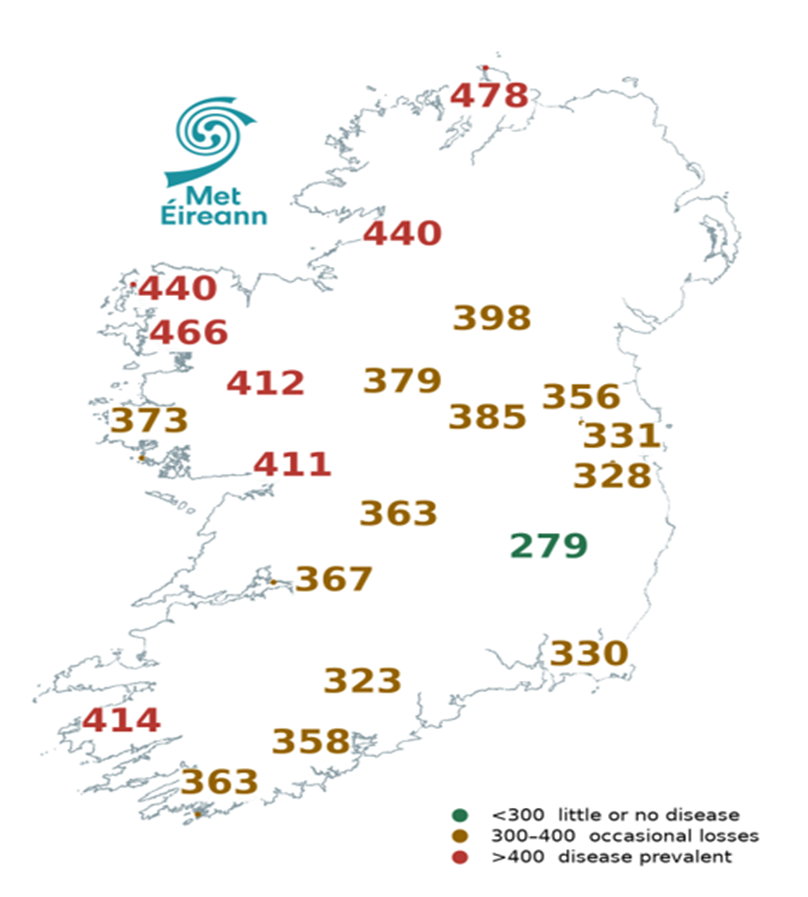
According to the Ollerenshaw Summer Index 2026, only occasional losses across the country are expected, except along Atlantic coastal counties where the disease is expected to be more prevalent.
Under this index, regions are assigned a value with less than 300 indicating little or no disease, 300 to 400 indicating occasional losses, and over 400 indicating that the disease is likely to be prevalent.
As can be seen in the below map, several regions on the western seaboard have figures well into the 400s. The exception appears to be in the Connemara area, where the figure is in the 300 to 400 range:
The department said that this year has been unusually dry and warm across the country, and liver fluke levels detected at meat processing sites have been correspondingly lower than previous years.
To date this year, abattoir examinations showed an average of 33% of herds with at least one animal with liver fluke damage.
Active infection in one or more animals was seen in 10% of herds, compared to 13% last year.
Counties in the northwest of Ireland were more heavily affected, with 60-80% of herds in Sligo, Donegal, Mayo and Roscommon reported to have signs of liver fluke at slaughter.
The prevalence within herds is typically low depending on the farm, with 5% of animals presented to slaughter showing signs of liver fluke damage and 0.9% of animals showing live liver fluke parasites.
The department said it is important for farmers to know whether liver fluke is present on their farm and to treat accordingly to avoid production losses.
The Beef HealthCheck Programme reports can be an important tool to understand liver fluke challenges on-farm, according to the department.
These reports are available to farmers on the website of the Irish Cattle Breeding Federation (ICBF).
Liver fluke variation
In order to assess the risk of liver fluke disease on any particular farm, various environmental factors, particularly climate, landform and soil type (especially whether soils are heavy or free-draining) must be taken into account.
This is because the intermediate host of the parasite, which is a mud snail (Galba truncatula), occurs in soil that is slightly acidic and muddy.
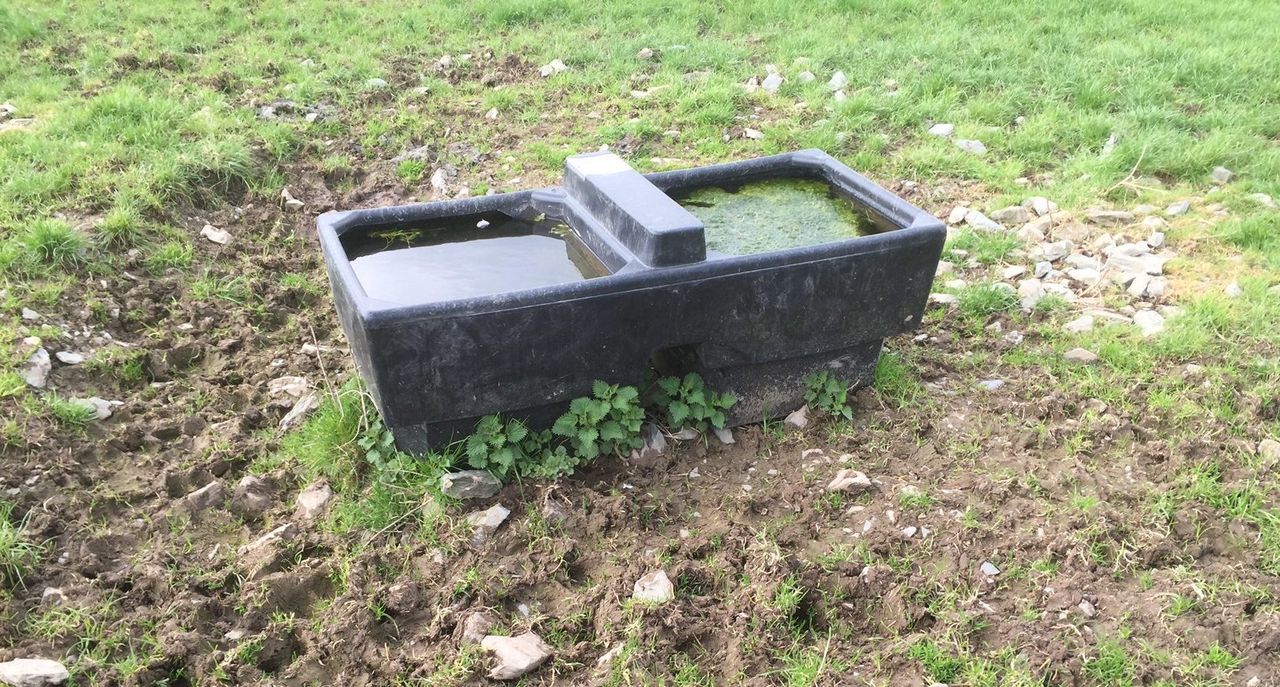
Therefore, areas with rushes or wet patches (e.g., around gates, troughs) are particularly important with regard to liver fluke risk as they can help to maintain a population of the infective stage of the parasite.
In addition, livestock owners should factor in prior liver fluke history on the farm as this is an important indicator of future disease risks, the department said.
In areas of high risk and on farms where liver fluke infection has been diagnosed or where there is a prior history, livestock owners should consult with their private veterinary practitioner to devise an appropriate control programme.
Veterinary advice should be sought on treatment protocols and on the appropriate interval at which such treatments should be given. Testing faecal samples for the presence of liver fluke eggs can help determine both the need for, and success of flukicide treatments.