Environment groups call for public forestry removal on peatlands


Environmental groups have published a report calling for the removal of state-owned forestry on peatlands.
The Irish Peatland Conservation Council, along with the Environmental Pillar group of non-government organisations (NGOs), have published a report which they call a "shadow nature restoration plan".
This report states that peatland sites where forestry is removed and habitats are restored on public lands "could make a significant contribution" towards meeting Ireland's targets under the EU Nature Restoration Law.
The groups said that the report "provides a practical roadmap for government action" by identifying sites where forestry removal would restore peatland habitats, reduce carbon emissions and boost biodiversity and water quality.
According to these environmental groups, many of the largest restoration opportunities identified in the report occur within publicly managed forests.
Around 23% of the Republic of Ireland's land area is peat soil.
The Irish Peatland Conservation Council said that drainage, peat extraction, agricultural reclamation and afforestation have "left only a fraction of these habitats in a healthy ecological condition".
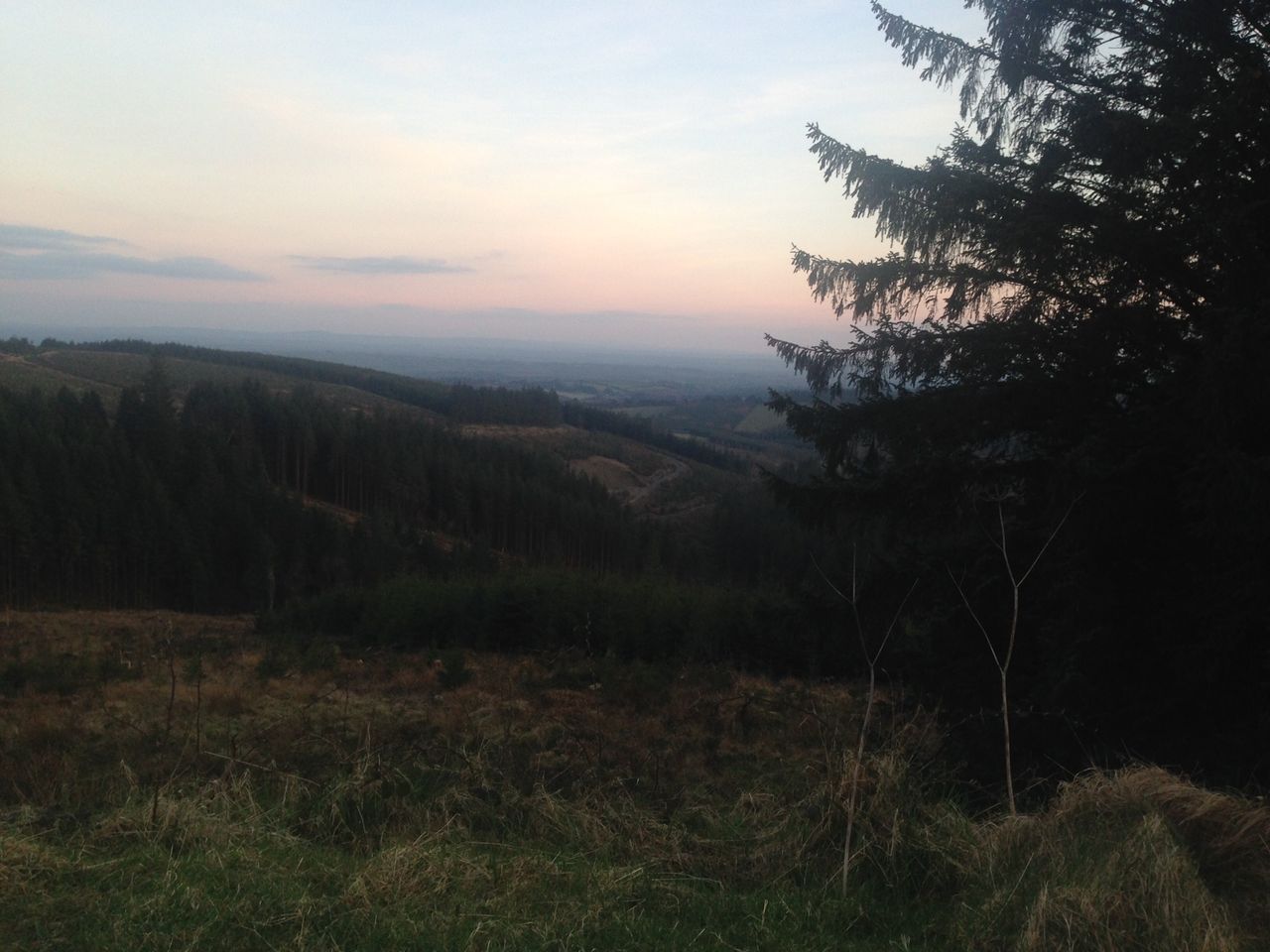
According to the council's estimates, around 28.2% of Ireland's peatlands have been utilised by forestry, "highlighting the scale of the restoration opportunity facing the state".
The report identified 26 "forestry clusters" on raised bog sites, many of which contain "significant areas" of Coillte forestry, and the report recommends that state-owned lands should be prioritised for restoration action.
The report also identified 30 priority forestry clusters affecting designated blanket bog habitats, with some 40% of the blanket bog habitats referenced in the Nature Restoration Law overlapping with Coillte forestry, with 24% overlapping with private forestry.
Tristam Whyte, policy officer with the Irish Peatland Conservation Council, said: "Ireland has committed to ambitious and legally binding nature restoration targets, but delivering them requires practical action on the ground.
"This report identifies some of the most important peatland restoration opportunities in the country and shows where government can act now to make measurable progress," he added.
"By focusing on peatlands impacted by inappropriate afforestation, particularly on publicly managed lands, Ireland can restore protected habitats, improve water quality, reduce greenhouse gas emissions and provide space for threatened species such as the hen harrier," Whyte commented.