Learner tractor drivers facing new permit rules next month

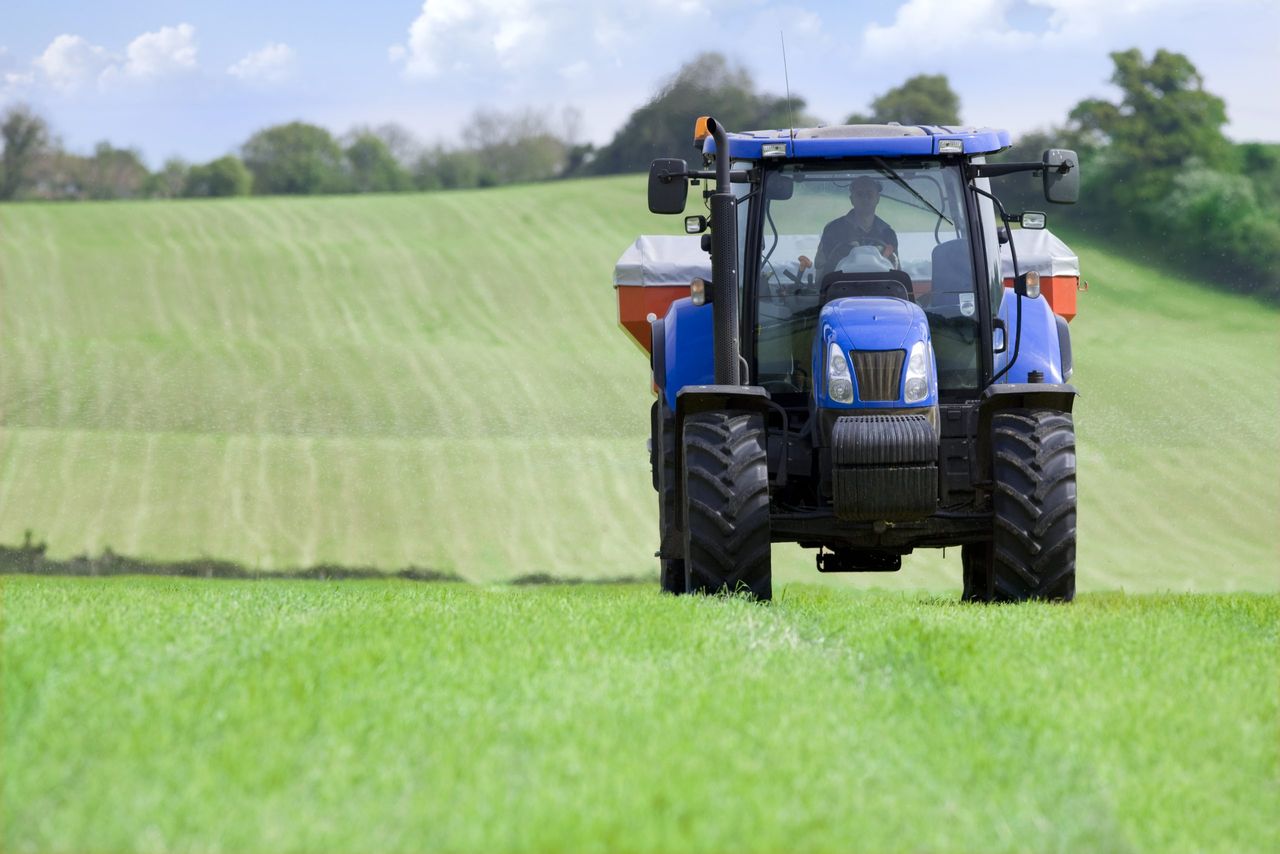
Learner tractor drivers are reminded that new rules on learner permits are coming into effect in the coming weeks.
From November 1, learner tractor drivers will need to have taken a driving test within the previous two years to renew a third or fourth learner permit.
The new measures apply to tractors/work vehicles (W), as well as cars (B), motorcycles (A, A1, A2), and mopeds (AM).
The regulations, signed last year by the Minister for Transport Darragh O'Brien, aim to address the issue of repeated learner-permit renewals.
The changes also mean that a fourth learner permit will be valid for one year only.
After seven years or four permits, a learner wishing to continue must restart the learning-to-drive process, including the theory test, lessons, and driving test.
Learning permit
When the announcement was made last year, Brendan Walsh, chief operating officer with the Road Safety Authority (RSA) welcomed the development.
He said: “The learner permit is a stepping stone to safe, independent driving - not a long-term substitute for a full licence.
“The proposed changes aim to help learners progress with the right training and support, so they build confidence and the up-to-date skills needed on today’s roads.
“This is about improving safety and fairness for everyone, not penalising people.”
Walsh added that the RSA supports the Department of Transport in introducing these measures in a “fair, structured way” that he said gives every learner the opportunity to gain proper experience and become a safe, responsible driver.
According to the most recent RSA data, over 22,000 people are on their 10th to 20th learner permit; more than 1,800 are on their 20th to 30th permit; and 14 individuals currently hold their 30th or over learner permit.
Walsh said: “We all want safer roads, and the best way to achieve that is through good training, fair testing, and clear accountability.
“Helping people progress to a full licence benefits everyone - the drivers themselves, their families, and the wider community.”