Ireland entering higher-risk period for bird flu

Ireland is now entering the higher-risk period for avian influenza, the Department of Agriculture, Food and the Marine (DAFM) has warned.
No wild birds have tested positive for bird flu in recent months, DAFM confirmed to Agriland.
Only two cases so far in 2026 have been detected.
A DAFM spokesperson said: "As the winter begins to set in, weather conditions and bird migration routes bring a higher risk period for incursion of avian influenza to Ireland.
"Colder weather and shorter daylight hours can extend the survival time of avian influenza viruses in the environment, and migratory wild birds (the natural hosts of many avian influenza viruses) arrive in large numbers to overwinter in Ireland."
Bird flu
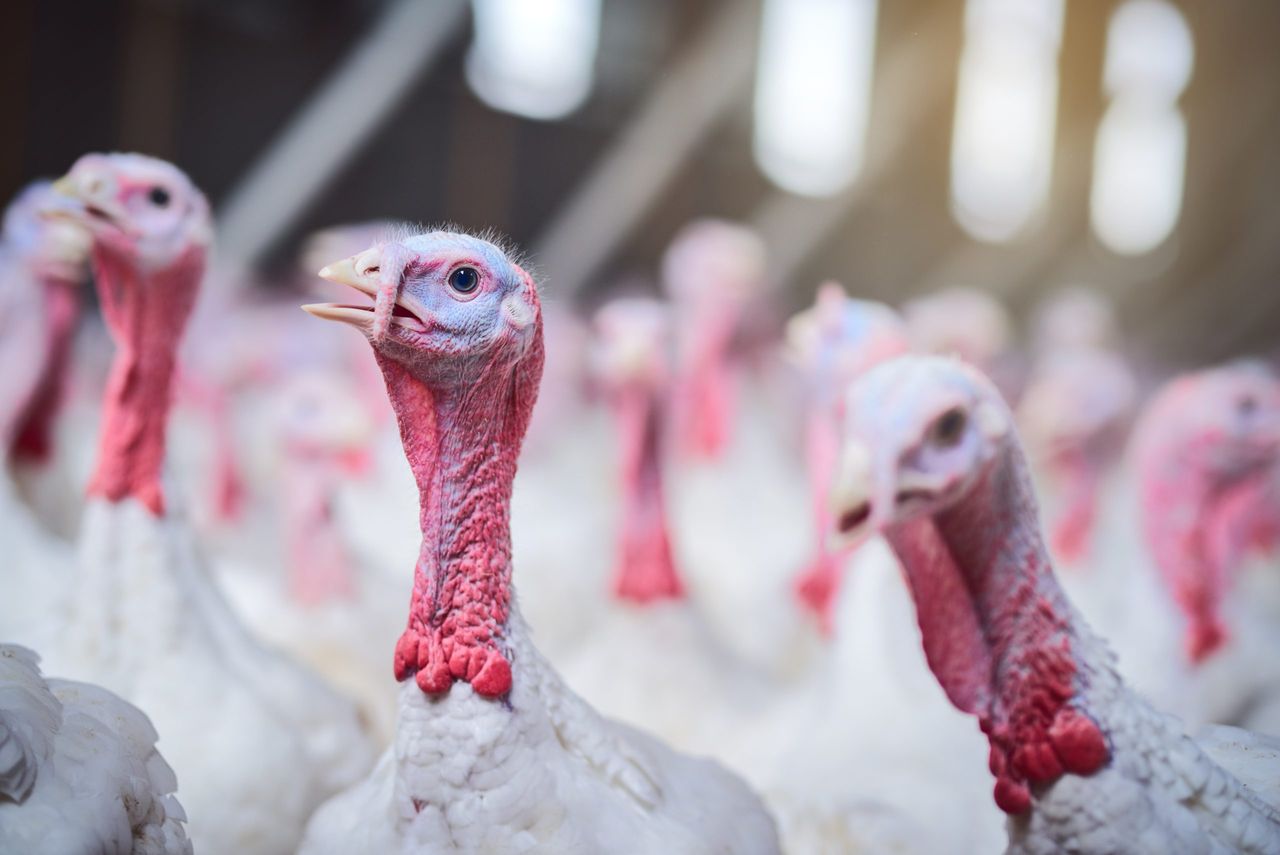
Strict biosecurity is urged at all sites with captive birds.
DAFM said this is the "single most important way" to prevent disease incursion and to help protect flocks against all poultry diseases, not just avian influenza.
The spokesperson added: "All commercial poultry farmers, backyard keepers and those with captive birds should take action to reduce the risk of their flocks becoming infected, for the protection of the Irish poultry industry.
"Members of the public are advised not to handle sick or dead wild birds they come across."
They are also asked to report them by using the Department of Agriculture's 'Avian Check' app or via the National Disease Emergency Hotline on 01 492 8026.
Compensation for European farmers
Over the summer, highly pathogenic avian influenza (HPAI) detections in birds continued the decline seen in the EU during the spring.
It was announced recently that the EU is to provide €73 million to Italy from the agricultural reserve to help compensate farmers in areas affected by outbreaks of avian flu and African swine fever.
A total of €61 million will be provided for poultry and egg farmers in areas affected by avian flu outbreaks between September 2022 and March 2025.
The support will help compensate farmers for losses resulting from measures taken to control and prevent the spread of these animal diseases.
France has also been significantly impacted by bird flu.
During the 2025-2026 epidemiological season, France experienced a significant resurgence of HPAI: 156 outbreaks were identified, including 125 in commercial poultry farms.
To prevent further spread, sanitary measures, including restrictions on poultry movement in regulated areas, were implemented.
These measures had economic consequences across the entire poultry production chain, extending beyond the affected farms themselves.
To address these repercussions, French Minister of Agriculture Annie Genevard announced recently the implementation of an economic aid scheme for hatchery, downstream and collection companies.
With a budget of €10 million, this scheme aims to support businesses in these three sectors that have suffered a substantial loss of activity due to measures to combat the spread.