Building Europe’s indigenous protein crop supply

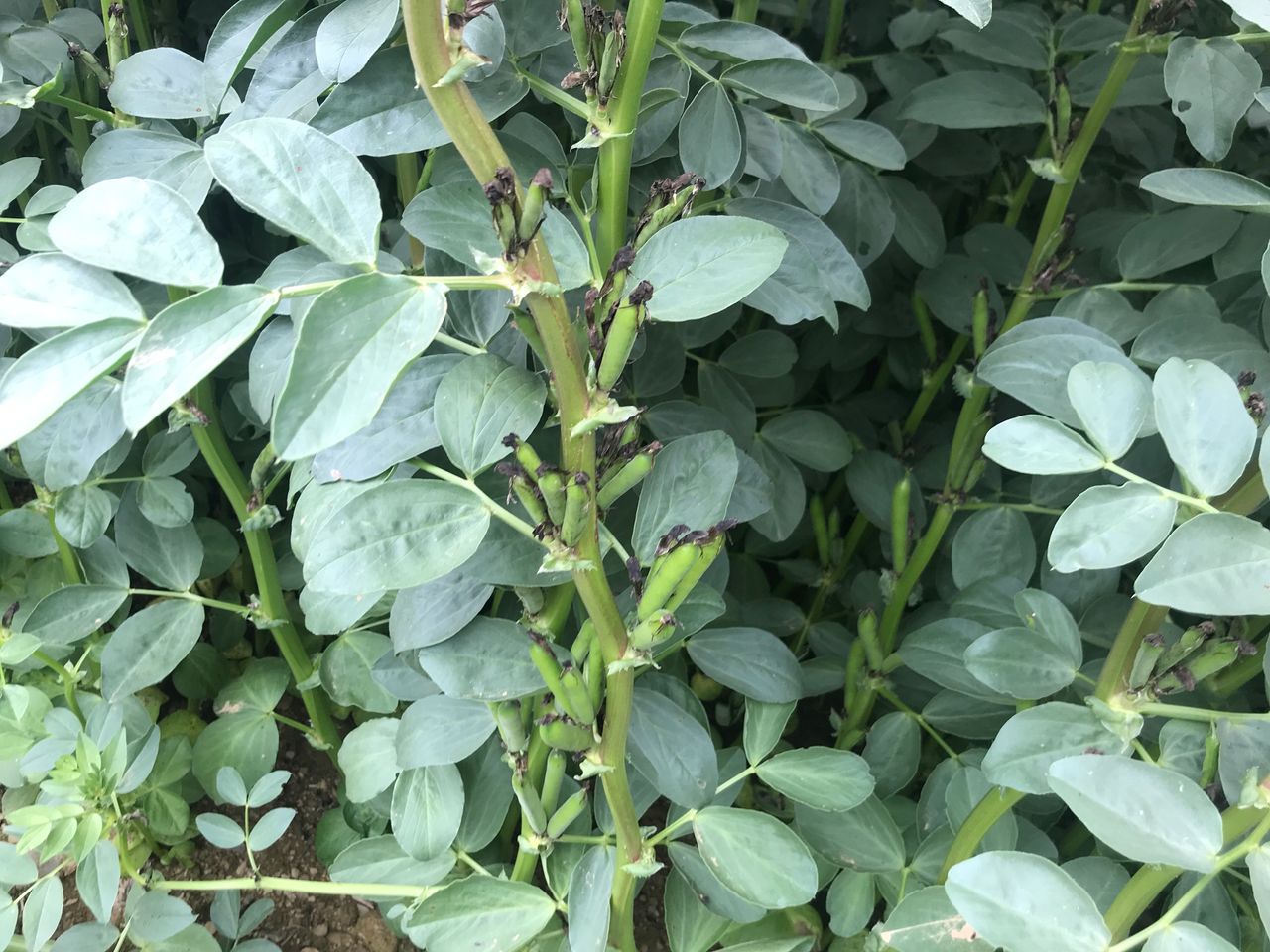
Brussels is planning to increase Europe’s indigenous protein crop supply over the coming years as part of a strategy to make livestock production more sustainable.
These are developments that could have longer-term repercussions for Ireland’s Protein Aid Scheme.
Analysts at the Agricultural and Horticultural Development Board (AHDB) have assessed the potential impact of the European Commission’s plans to boost indigenous protein supplies.
Protein feed
EU livestock currently use around 74 million tonnes of protein feed each year.
Around 26% is imported, while 74% of high-protein oilseeds and protein crops are imported.
Dependence is particularly high for soya, with 94% of soya protein imported.
The commission aims to increase the share of protein from oilseeds and protein crops originating within the EU and used as feed from 25.8% in 2025 to 35% by 2035.
To achieve this goal, Brussels has set out principles, including providing farmer incentives to promote production of pulses and soya through Common Agricultural Policy (CAP) tools.
These will involve the strengthening of the EU’s protein value chain through infrastructure funding and contracts, enhancing grassland and livestock integration.
Demand side measures will also be introduced, for example: origin labelling, marketing campaigns, and public procurement initiatives.
Also driving this initiative will be advancing research and innovation, as well as policy coordination through market monitoring and integration via the National and Regional Partnership (NRP) plan.
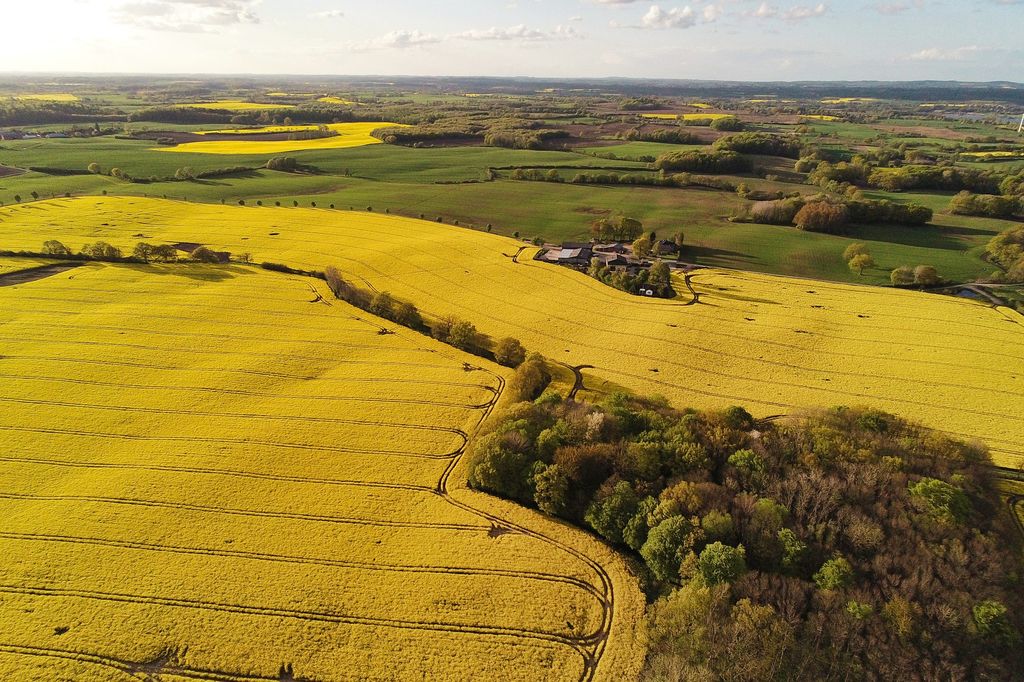
According to AHDB, this could create greater opportunities for EU arable producers to grow pulses and oilseeds.
This is despite the Commission’s recognition that higher protein content crops generally produce lower yields than many of the crops they may replace.
In turn, this limits the impact on the crude plant protein balance.
On the upside, however, legumes such as peas and beans provide wider agronomic benefits through nitrogen fixation, improved soil fertility, and reduced fertiliser requirements.
Significantly, the EU Commission’s plan does not seek complete self-sufficiency.
The EU will continue to import protein while looking to diversify its sources.
In this context, Ukraine is identified as having significant potential, with EU accession potentially increasing EU plant protein self-sufficiency from 76% to 86%.
Irish protein crops
According to the latest figures from Central Statistics Office (CSO), Ireland’s annual output of primary protein crops (specifically field beans and peas) is 77,600t.
Production totals fluctuate significantly year-on-year based on weather conditions and total planted area.
Through the Irish Protein Stakeholders Group and the Department of Agriculture, Food and the Marine (DAFM), Ireland has set a strategic roadmap to significantly scale up native legume production.
The official national target is to achieve an annual output of 130,000t grown over 20,000ha by the year 2030 in order to curb reliance on animal feed imports.