ICM Lambing season: Update from the Mathews farm in Killeigh

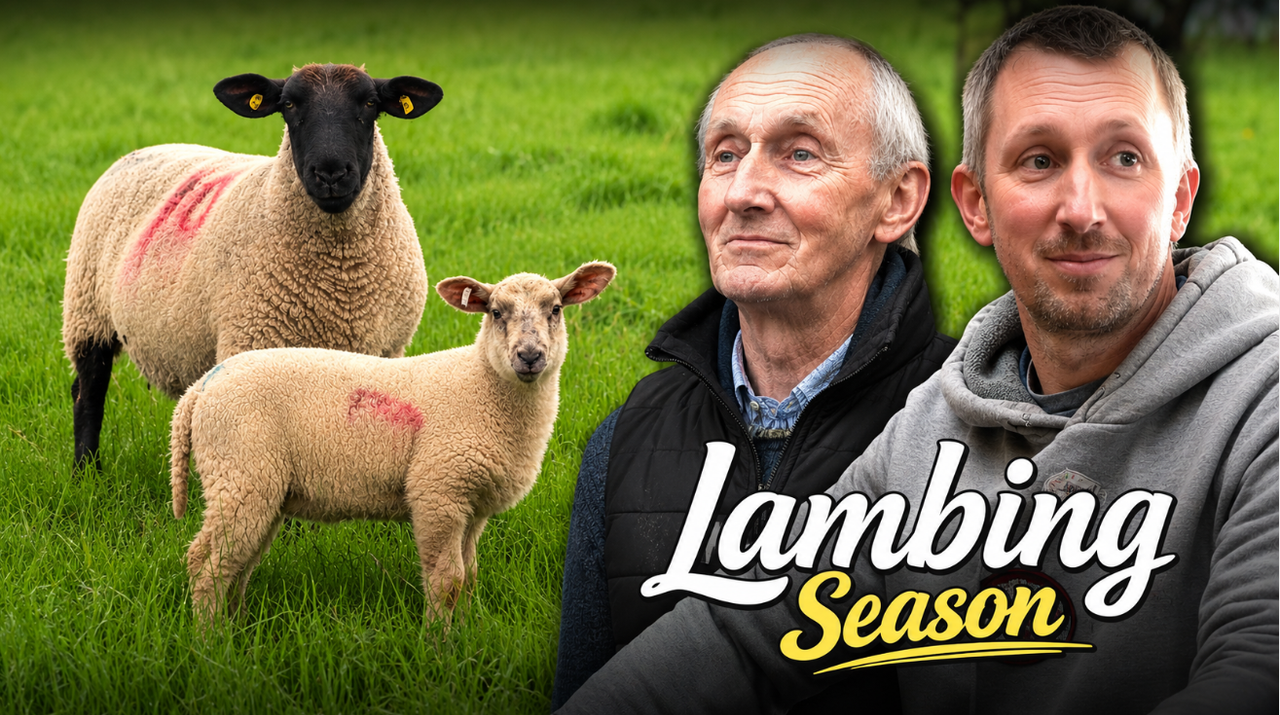
In March of this year, the Lambing Season Series with Irish Country Meats (ICM) was broadcast on Agriland from Ken and Richard Mathew’s farm in Killeigh, Co. Offaly.
The series looked in depth at flock management as well as technical and market information relevant to the Irish sheep industry.
ICM's Conan Fitzpatrick recently paid a return visit to the farm to see how the flock has been performing since the three-part series featured on Agriland.
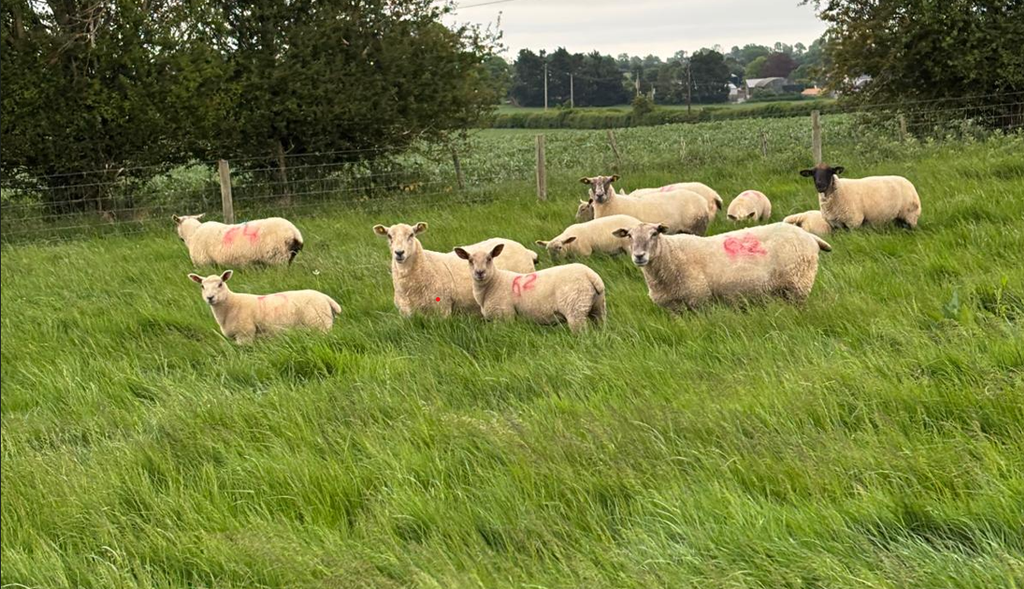
The lambing season on the farm lasted five weeks, beginning in the second week of March and finishing in the third week of April.
Flock management at lambing was carried out by Ken and Richard, with additional help from work placement students.
One of the many interesting features showcased on the farm was the automated pet lamb rearing facility.
As the ewes are Belclare crosses, the flock is very prolific, and there is generally a large number of pet lambs to be reared every year.
This year, approximately 70 pet lambs have been fully weaned off milk and are being fed a mix of crunch and pellets. These lambs will be moved onto an all-pellet concentrate diet within the next week.
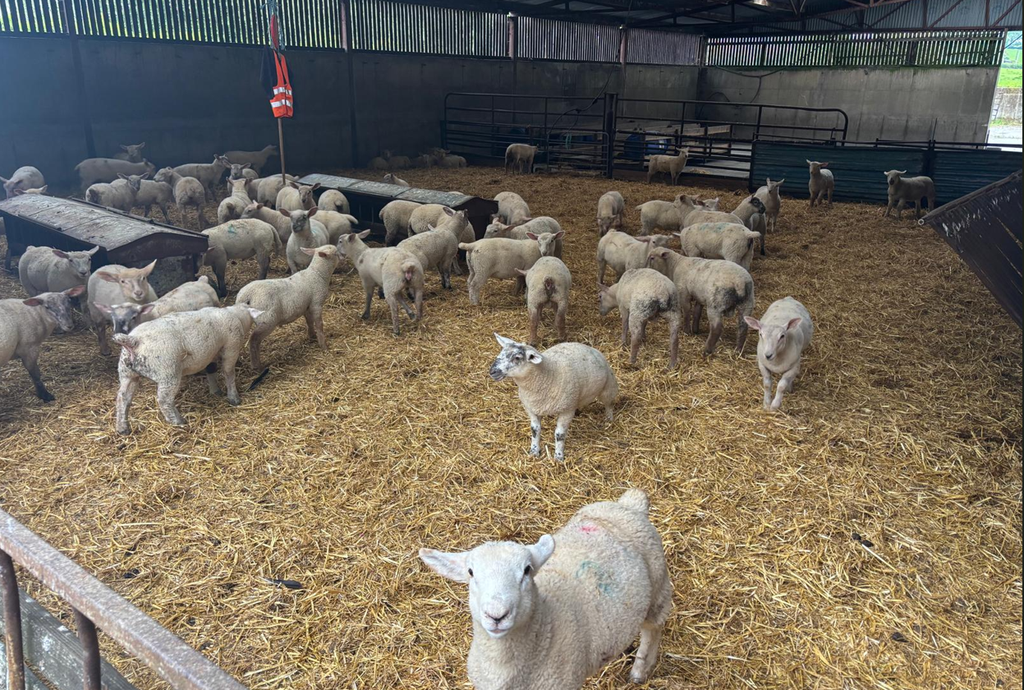
Pet lambs are currently eating 1kg concentrates/head/day.
Lambs were drinking approximately 1.5L of milk/day when they were on the feeder. These lambs have had continuous access to feed straw as a source of roughage in the diet.
Pet lambs spent four weeks on average on the automatic lamb feeder and once weaned, all received a Heptavac P vaccination along with a dose for coccidiosis.
Commenting on the performance of the lambs reared on this system, Conan said: "The results of the excellent management system are clearly visible, with the lambs performing very well.
"The first draft of the pet lambs are expected to be ready for slaughter in the next 2-3 weeks, reflecting the strong growth rates achieved in the system."
The flock at grass
Out in the fields, the ewes and lambs are performing well. The flock averaged 1.75 lambs/ewe when turned out to grass.
All lambs grazing outdoors were dosed for nematodirus three weeks ago, and dung samples will be taken in the coming week to determine whether any further dosing is required.
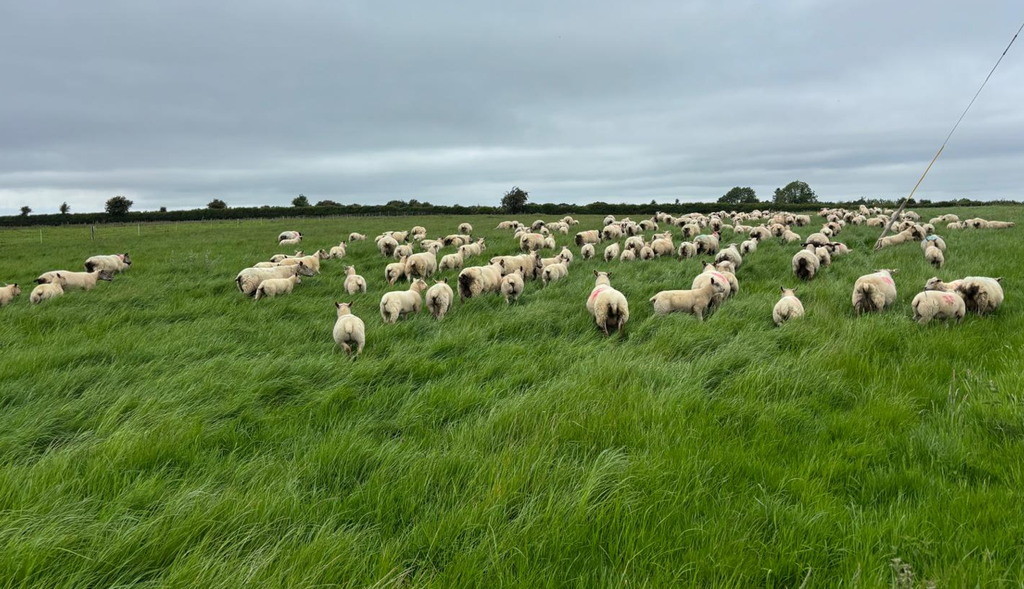
Lambs will be weaned at 12-13 weeks-of-age, around the end of July.
Any lambs weighing 37kg or more at weaning will be put on Tyfon, which is a leafy brassica crop, while lighter lambs will remain at grass until they reach target weight.
Ewe health
The Mathews also continue to place a strong focus on ewe health and future breeding quality.
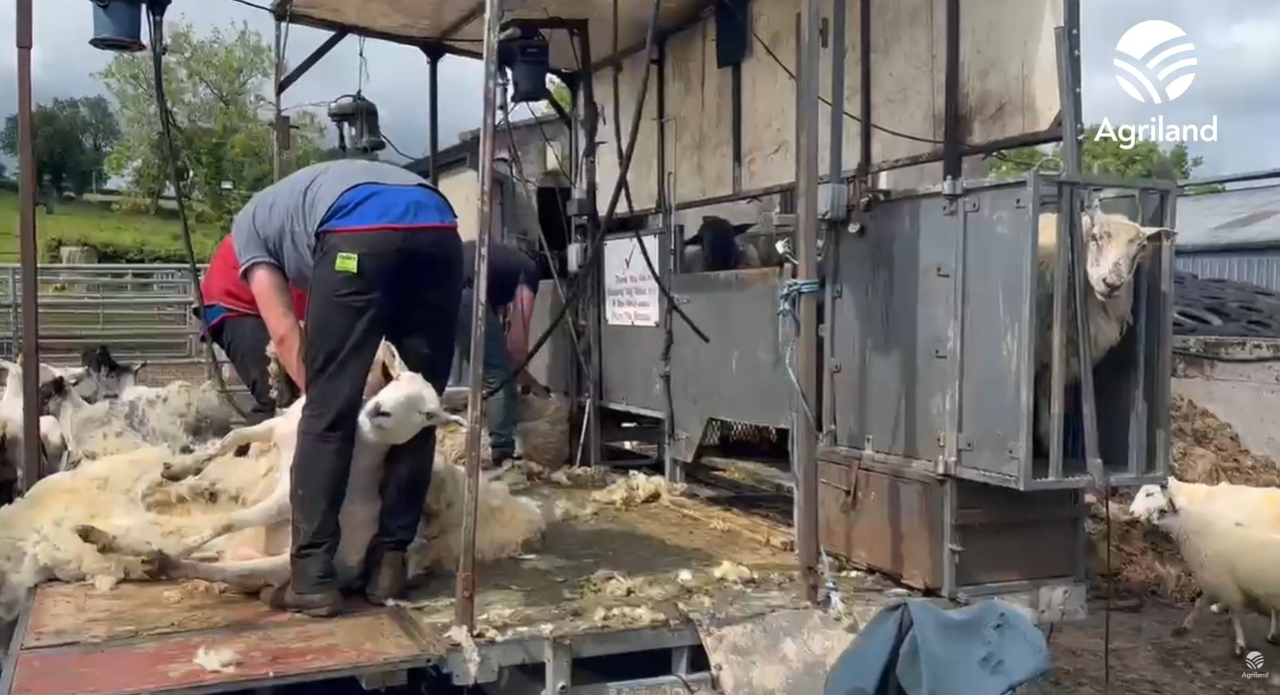
Ewes are sheared once a year in December and then dipped before tupping each September.
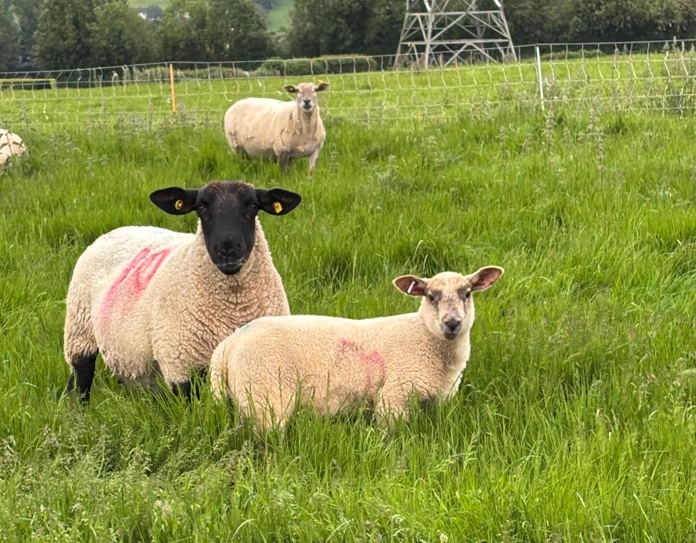
All breeding ewes and hoggets have been vaccinated against bluetongue in recent weeks, ensuring the flock remains protected heading into the next production cycle.
There are approximately 30 Suffolk ewes on the farm, all ewe lambs from these ewes are retained for breeding.
Mortality
Mortality rates have remained very low, at under 10% since lambing began.
Tetany lick buckets are placed throughout the fields to help prevent tetany and maintain vitamin and mineral levels in the ewes.
First-cut silage was brought in on the farm last week. The crop received a protected urea application in the springtime and yielded a good crop overall.
The first batch of lambs will be drafted for slaughter and sent to ICM Camolin in the coming days.