Hybrid rye acreage expected to expand again in 2026/2027


Irish tillage farmers have grown enhanced acreages of hybrid rye in recent years, a trend likely to be maintained in 2026/2027.
Boosting the prospects for the cereal is the availability of the hybrid rye growing guide launched by Teagasc earlier this year.
Hybrid rye has a wide sowing window from mid-September through to late autumn.
It is a particularly good crop for later sowing as it has a strong tillering capacity, with vigorous early spring growth.
Seed rates should be based on time of drilling, along with seedbed, soil and moisture conditions; the below seed rates are a guide only.
Seed is sold in unit packs of 12 million viable seeds per bag (approximately 0.5t). Sowing early at 200 seeds/m² equates to 2 million seeds/ha meaning a bag sows 6ha.
October sowing at 240 seeds/m² uses 2.4 million seeds/ha, meaning a bag sows 5ha. Late sowing at 260 seeds/m² uses 2.6 million seeds/ha, so one bag sows around 4.5ha.
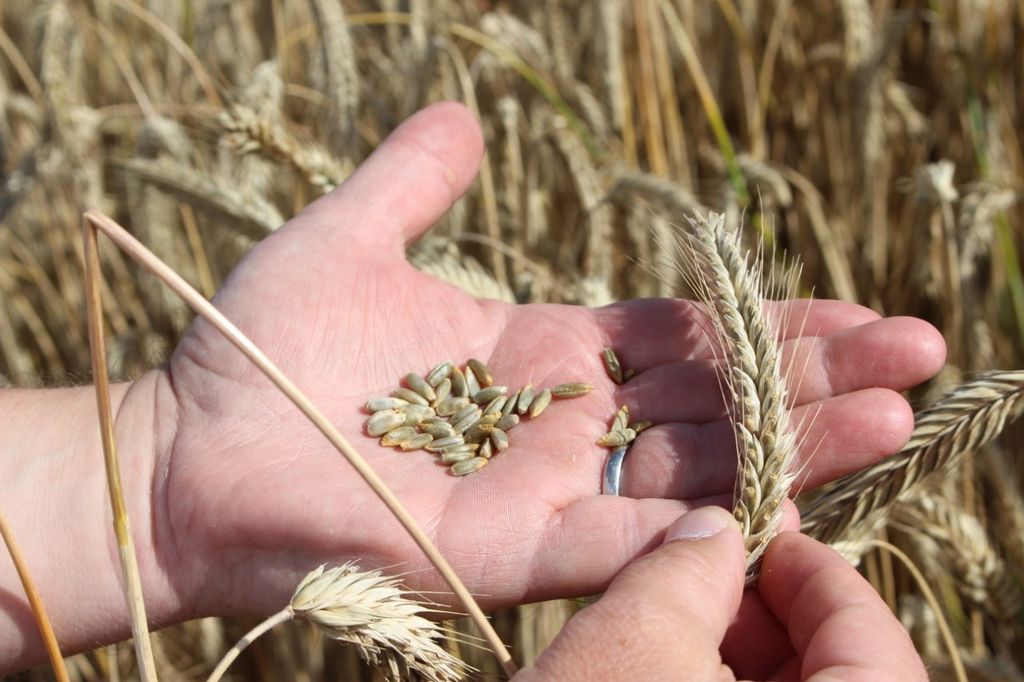
Hybrid rye is an excellent crop for drought-prone or lighter soils, as the crop has a deep root system and is a good scavenger for nutrients and water.
Modern hybrid varieties are shorter and stiffer than older conventional varieties and therefore, with an appropriate plant growth regulator (PGR) programme, are suitable for a far wider range of soil types.
Hybrid rye suffers less from eyespot than wheat.
It is also useful in the control of blackgrass because, with much greater height than wheat, far fewer blackgrass seeds are produced (viability is very low).
Furthermore, an early July whole crop harvest means the majority of blackgrass seeds will not have shed.
Hybrid rye is a crop with good foliar disease resistance with the exception of brown rust.
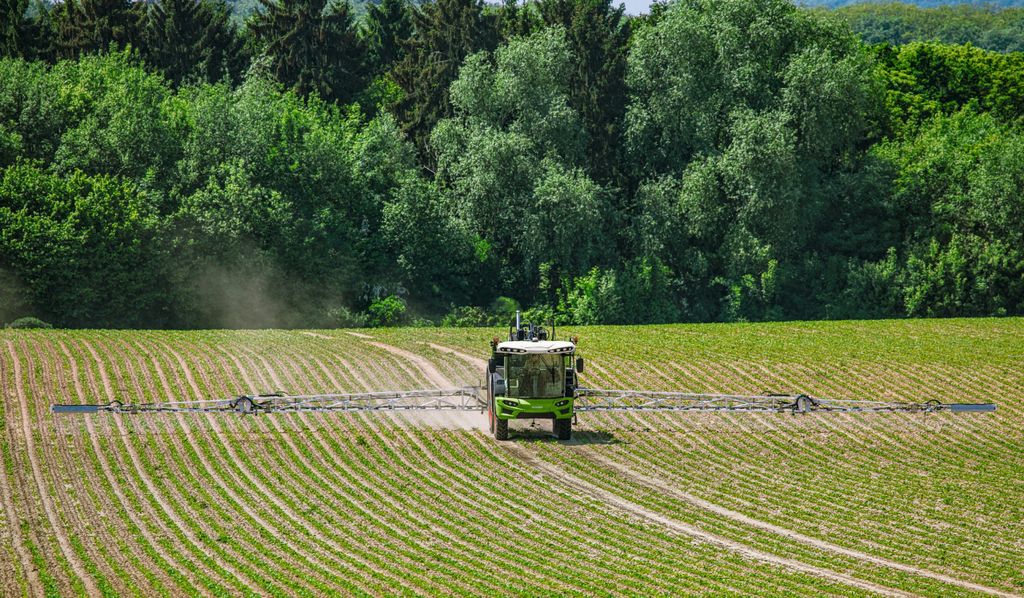
The vigorous crop growth gives excellent competition for weeds, resulting in much-reduced herbicide use.
Nitrogen levels will be approximately 150 kg/ha in addition to phosphorus (P) and potassium (K), a single PGR application on lighter soils and usually a maximum of a single fungicide.
For heavier land, a robust PGR programme is more appropriate, together with a second or third fungicide in situations of high disease pressure.
Biogas production
Hybrid rye is an excellent crop to balance other high production substrates, such as beet or maize in the production of biogas in anaerobic digestion plants.
The addition of hybrid rye to beet or maize provides a different nutrient source for the bacteria in the digester.
This has a two-pronged synergistic effect: the hybrid rye increases methane yield due to a better balance of trace elements and a reduction in retention time in the digester.
The usual ratio is 25% rye to 75% maize.
Hybrid rye is also an excellent alternative to maize where the geography or soil types are not suitable for maize production.
In such situations, hybrid rye and beet would make a good combination.
Hybrid rye gives higher dry matter yields than triticale or wheat, particularly on poor soils or in colder conditions.