How to identify and fix soil compaction after a wet spring

Due to the wet autumn last year followed by a wet spring this year, soil compaction may be holding many farms back in terms of grass growth.
Cumulative grass growth was over 550kg ahead of the five-year average by July this year despite the challenging spring, indicating that farms are becoming more efficient at grassland management.
That being said, it will be interesting to see what the end-of-year average will be following the 'hard drought' experienced over the past number of weeks.
Despite that, the wet shoulder periods saw cows grazing in less than ideal conditions, while tractor work such as slurry spreading and silage were also carried out in 'spongy' conditions.
Because of this, farms may have had soil compacted into a solid, impermeable layer, either at the surface or within the topsoil - a process known as soil compaction.
This restricts the movement of air, water and nutrients down through the soil profile, and leads to poor root growth, which puts stress on the plant and reduces its response to nitrogen (N).
Compaction can also cause temporary waterlogging, which affects soil temperatures, grass growth and quality, as well as the number of available grazing days
Soil compaction
The first thing that needs to be done when it comes to soil compaction, is assessing the extent of compaction on the farm.
To do this, dig a test hole approximately 50cm2 in size and at least 40cm deep.
Compacted soils will have a 'blocky' structure that is hard to break up, and will be grey in colour with brown mottling.
In addition, there will be very few or no worms present, ultimately leading to a bad smell due to poor anaerobic conditions.
Another indicator of soil compaction is signs of shallow roots growing horizontally.
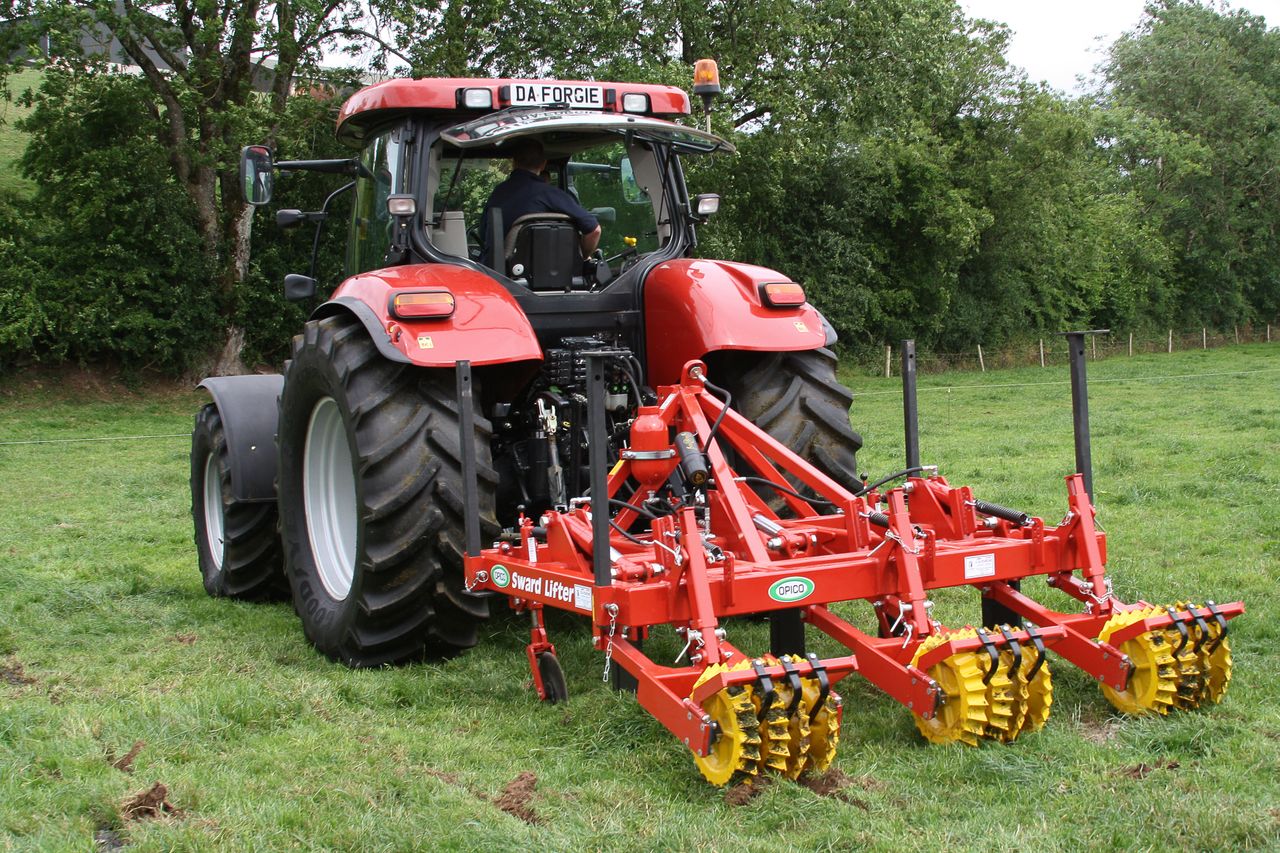
When the test pit is dug, it is also important to identify the depth of the compacted layer, as this will determine the type of machine that should be used to rectify the problem.
Source of compaction
The two main drivers of soil compaction on dairy farms are livestock and farm machinery.
When it comes to machinery, it goes without saying that the heavier the axel the greater the possibility of compaction.
However, little things can be done to reduce such compaction.
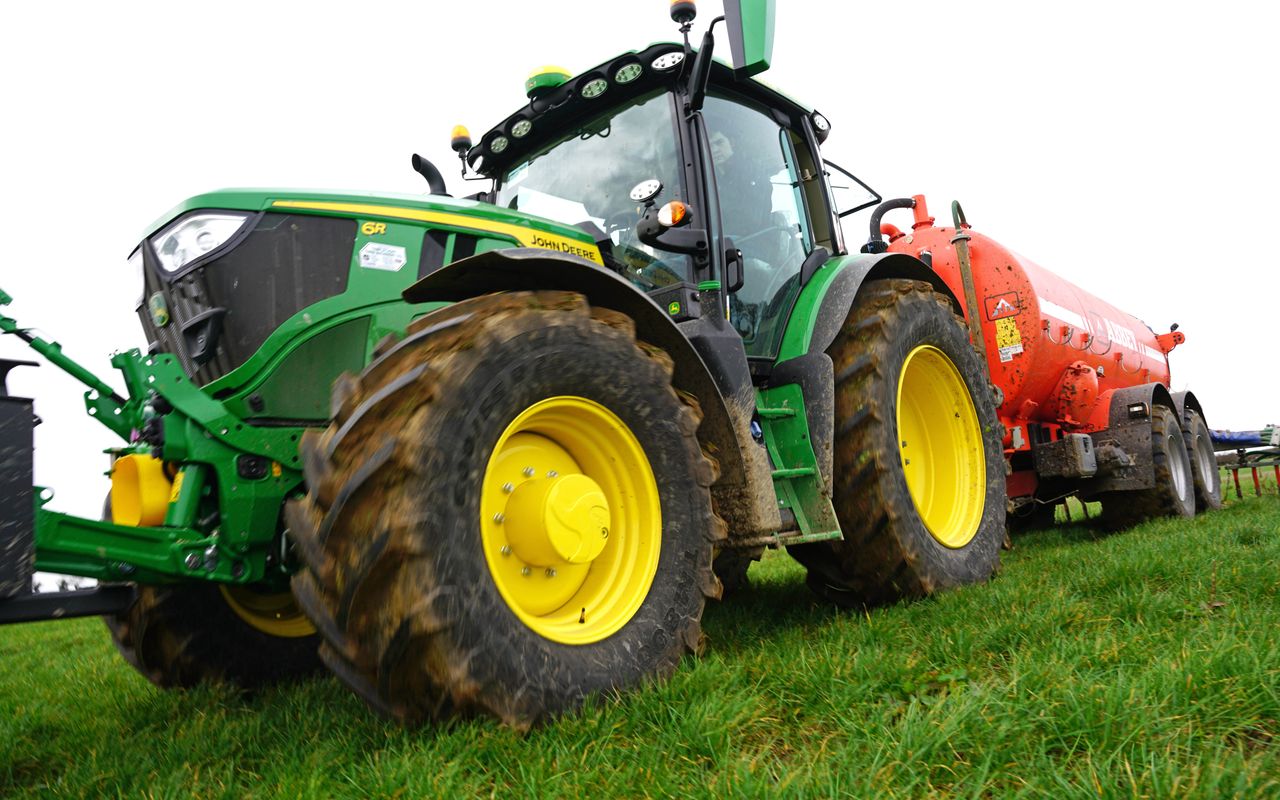
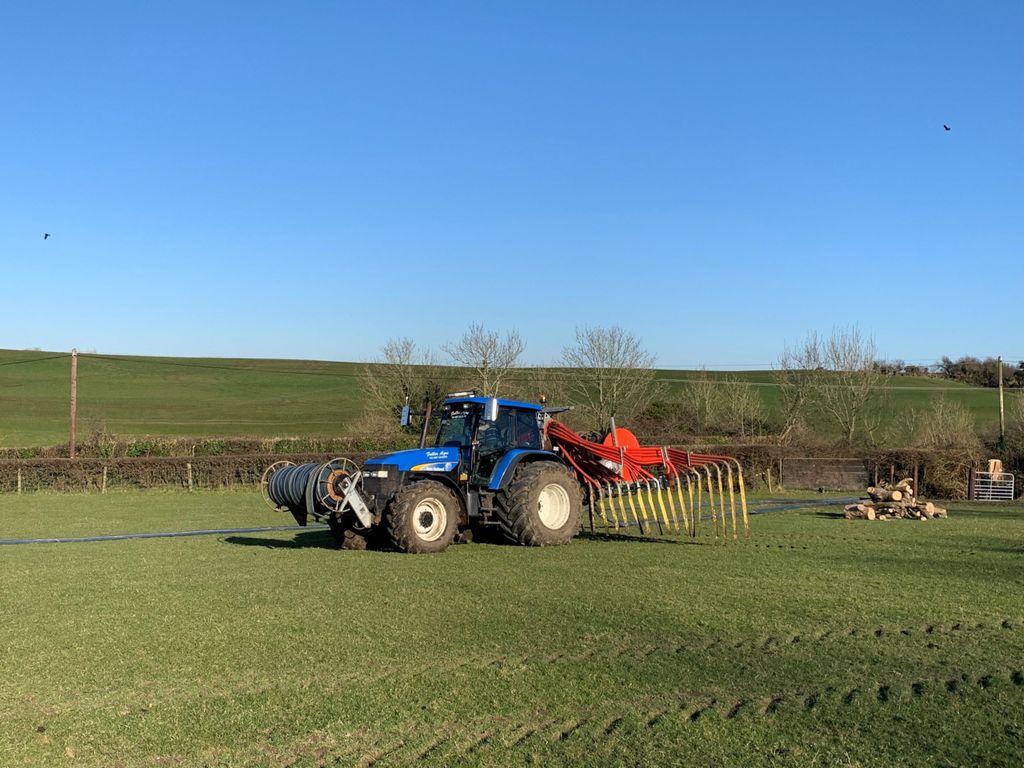
Hiring a contractor with an umbilical slurry system has become very common in recent years, as it removes the need for heavy tankers to travel across 'spongy ground'.
Many contractors also have the machinery fitted with 'flotation tyres'.
These are fitted because the larger the footprint (width and diameter) of the tyre on the soil surface, the less likelihood of deep compaction.
Many contractors will also have the inflation pressure adjusted to further maximise the footprint.
Another advancement in machinery, which has grown in popularity, is conveyor systems on mowers, as they reduce the need for additional passes with a rake.
It is estimated that 50-80% of soil compaction is caused by the first wheel pass, with only slight increases after the fourth pass.
However, the higher the number of vehicle passes, the higher the degree of compaction, even if it is only minimal.
Tractor wheel slip is also responsible for soil compaction, with research indicating that even low levels of wheel slip can produce significant compaction down to 5cm.
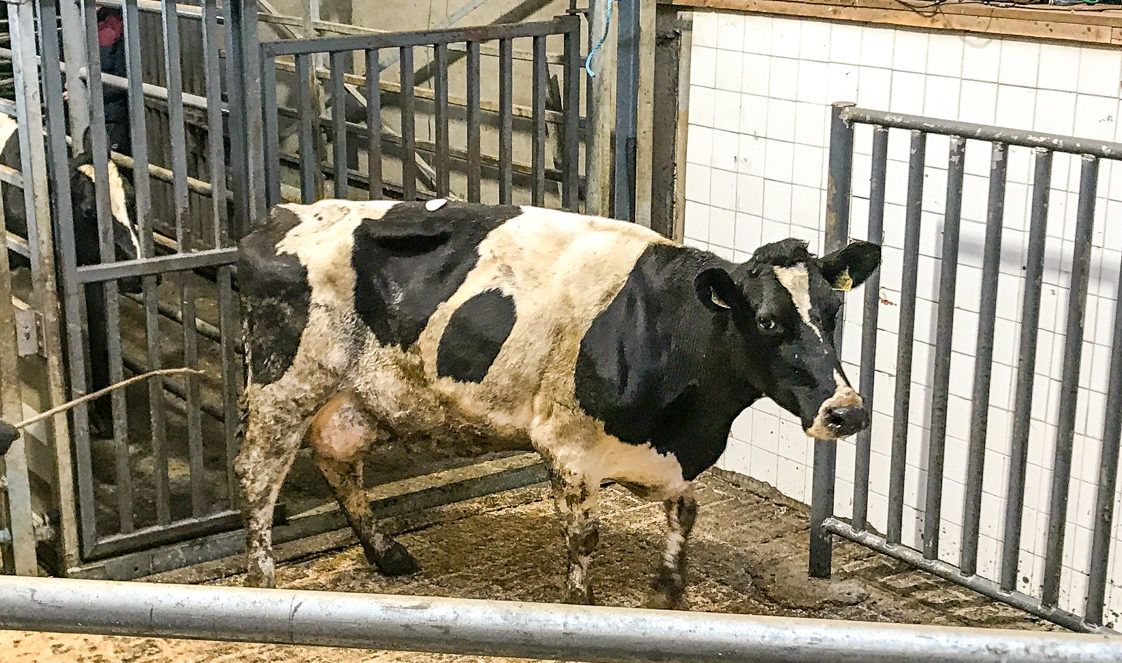
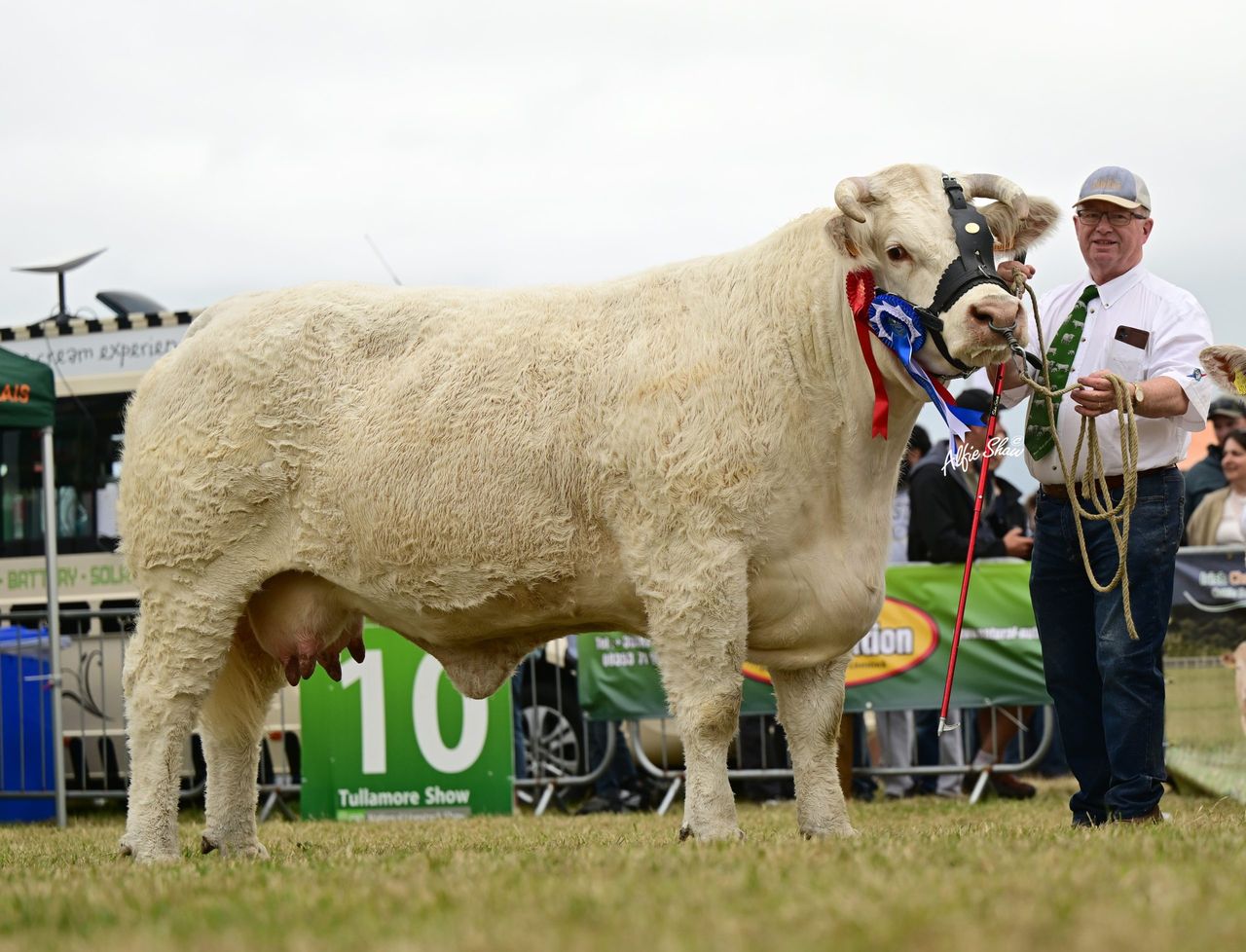
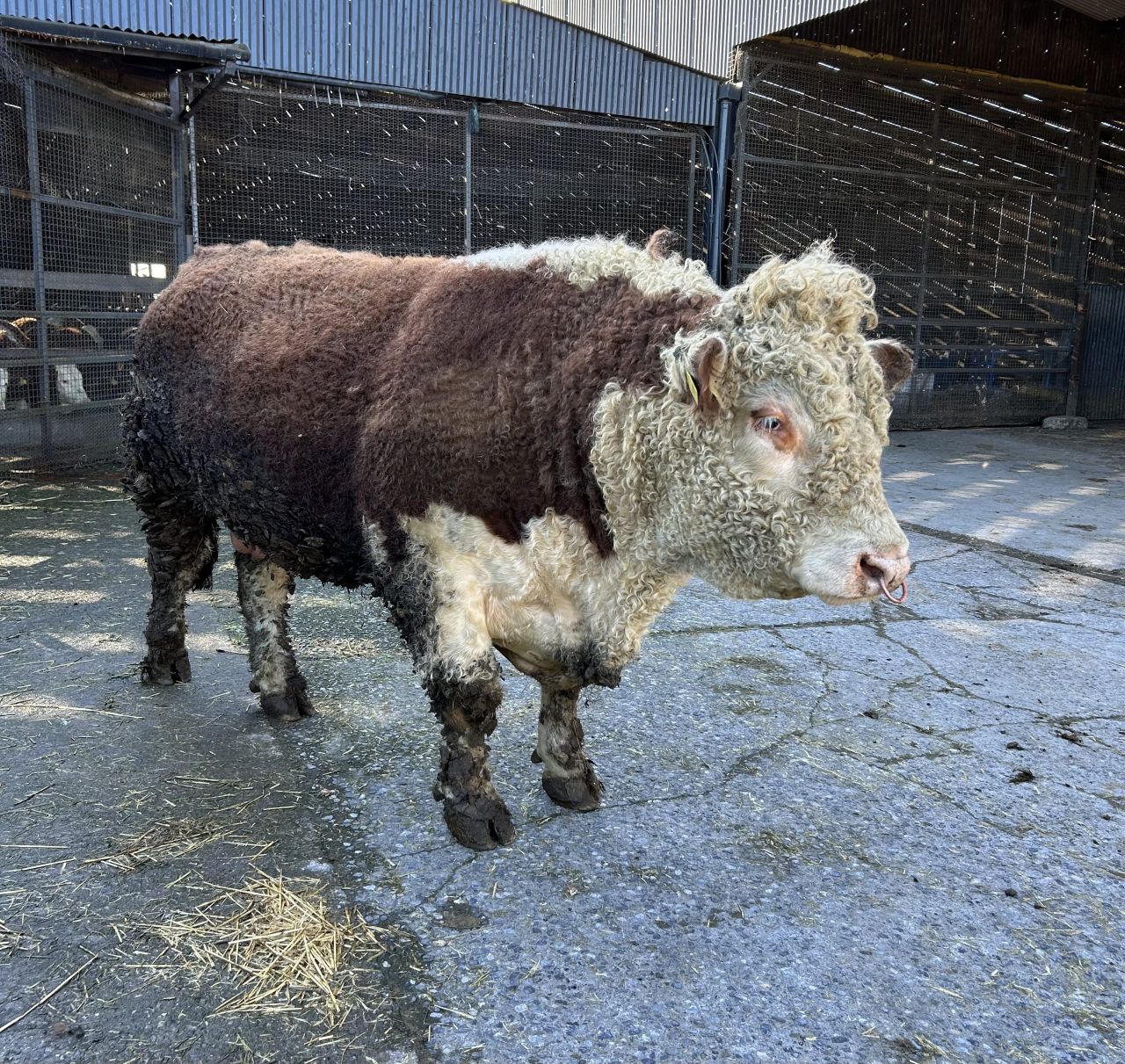
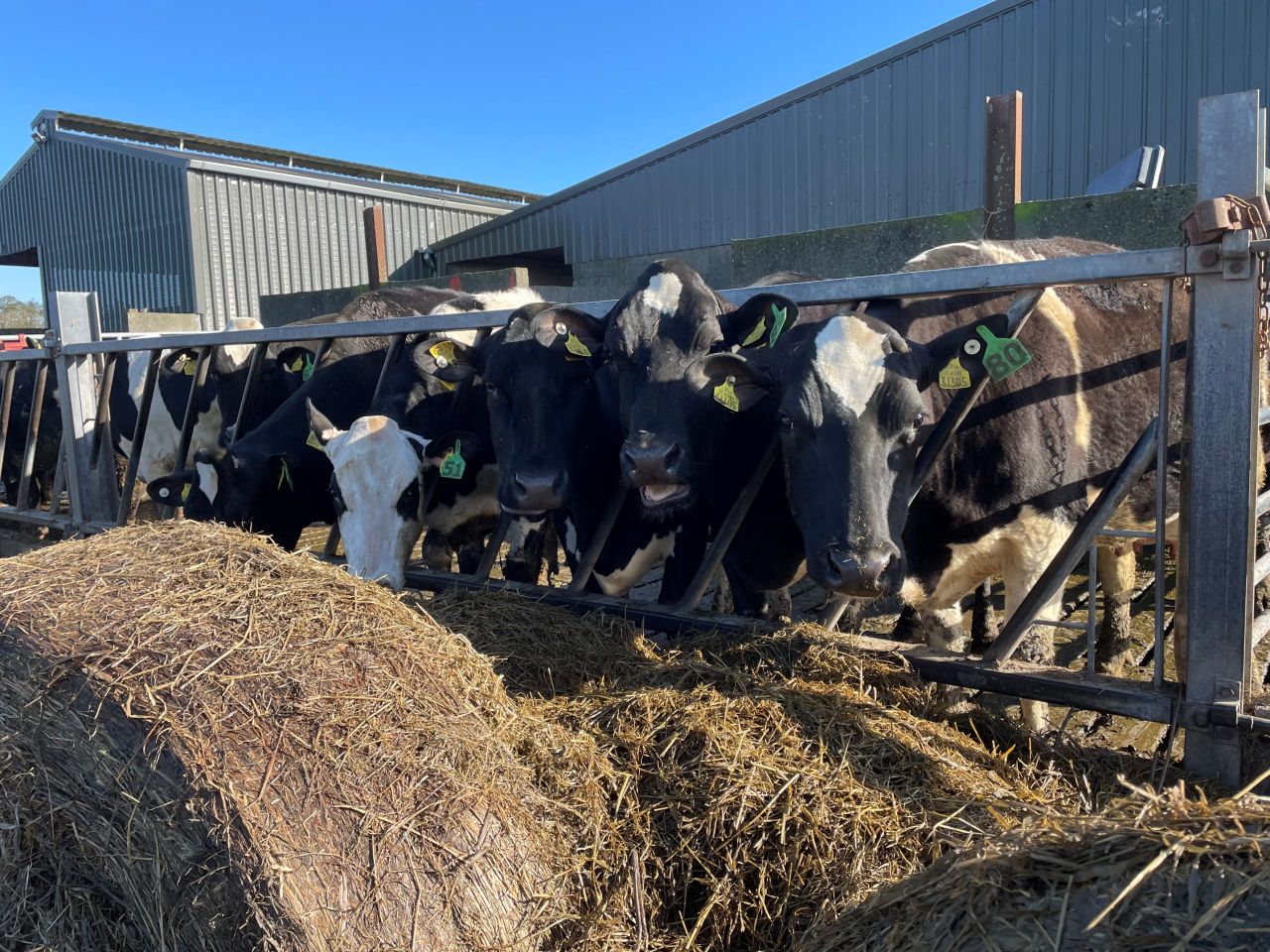
Even if you take all the correct precautions with machinery and soil compaction, a farmer's cattle could be doing the damage.
At low-to-medium soil moisture content animals cause compaction at or near the soil surface.
Many farmers would have seen high soil moisture content in the shoulder period of the year, which could have resulted in poaching.
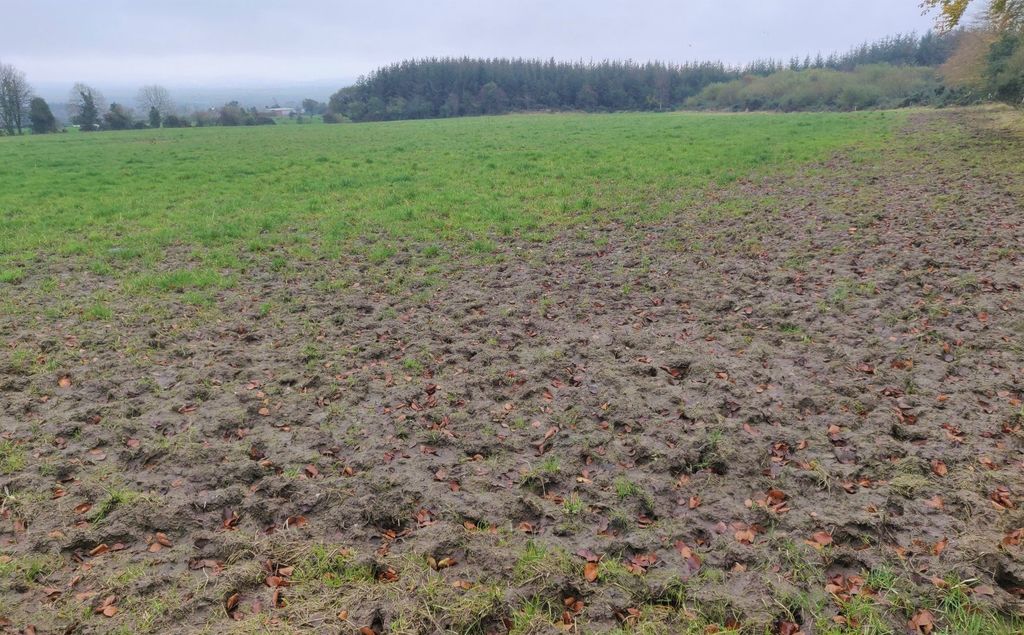
Generally, poaching does not cause compaction beyond 10cm, but heavily stocked farms can receive more damage than that during a wet spring season, such as was experienced this year.
Cattle exert a static pressure of 160-192 kPa (23-27 psi), and this pressure is at least doubled when the animal is walking.
Compare this to 60-80 kPa (9-12 psi) pressure exerted by a typical unloaded tractor.
Alleviating soil
Spiking/aerating can alleviate shallow pan soil although it will result in a variable response.
Subsoiling is only recommended where compaction is evident, and is not a substitute for drainage.
The soil must be dry at working depth before you try and alleviate the compaction, with the best time of the year to do it being autumn to allow the soil to rest/recover over the winter.
It is very easy to do more harm than good, and the following measures should be taken:
- Only 'subsoil' as deep as required (assessed from test hole);
- Recently loosened soils are more easily re-compacted;
- Try to reduce/minimise any future compaction.
Plan now to repair damaged soils, which will help to improve the performance and output from grassland in the future.
Where compaction has been identified, soil alleviation should only be done when conditions are suitable, preferably in the autumn, and fields should be carefully managed to prevent problems recurring in the future.