Sponsored Article
How Italians developed a buon appetito for Irish grass-fed beef

Sponsored Article

Bord Bia operates a global network of 14 overseas offices dedicated to the promotion and trade development of Irish food, drink, and horticulture.
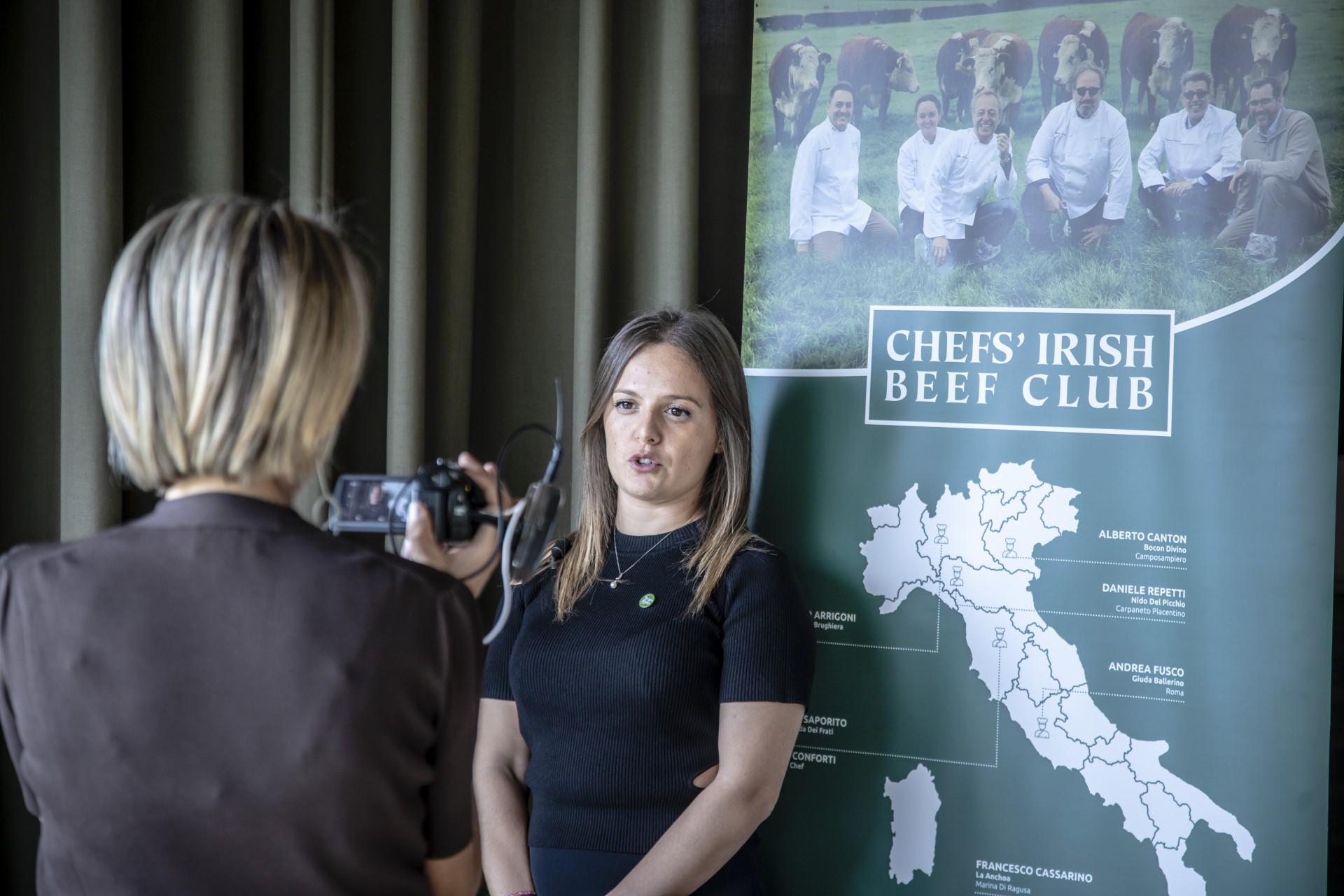
In this article, we speak to Francesca Perfetto, who is the Bord Bia Marketing Manager for Italy, Greece, Cyprus, and Malta, and is based in Milan.
What led you to work for Bord Bia in Italy?
I was raised in a small village in southern Italy among farmers - including my grandparents - and I developed an early interest in food and agriculture.
I started at Bord Bia's Milan office in 2015 as a resource for Expo 2015, working to highlight Irish food through the Origin Green programme.
After completing the graduate programme, I became a market specialist.
Now, with over 10 years of experience promoting Ireland’s food and drink industry in Italy, I lead the Italian team.
What are the main Irish exports to Italy and how is the market performing?
Italy is an important trading partner for Irish food and drink and is Ireland’s fourth largest export market in the EU, valued at €450 million last year.
Italy is the second largest beef export market in Continental Europe (after France) and offers the second highest return per tonne across EU markets.
Total Irish meat and livestock exports to Italy were €273 million last year, with beef accounting for €237 million.
Irish seafood exports to Italy were valued at €62 million - making Italy the second largest market for Irish seafood, while Irish dairy exports were valued at €60 million last year.
What are some notable consumption trends in the market?
Italy's per capita meat consumption is among the highest in the EU at 16kg, compared to the EU average of 10kg.
Although food is perceived as expensive, Italians value quality and prefer premium products, often buying smaller quantities of better items.
The retail landscape is split between modern (67%) and traditional outlets (33%), reflecting Italian preferences for high-quality, fresh, and local products and the enduring role of traditional markets in food culture.
What reputation does Irish beef hold in Italy?
Irish beef, distinguished by its grass-fed production and family farm origins, has established a strong position across Italian retail and foodservice.
Italy was chosen as the launch market for Irish Grass-Fed Beef PGI (Protected Geographical Indication), due to their high awareness of PGIs and, as I’ve mentioned, a greater willingness to spend more on high quality food.
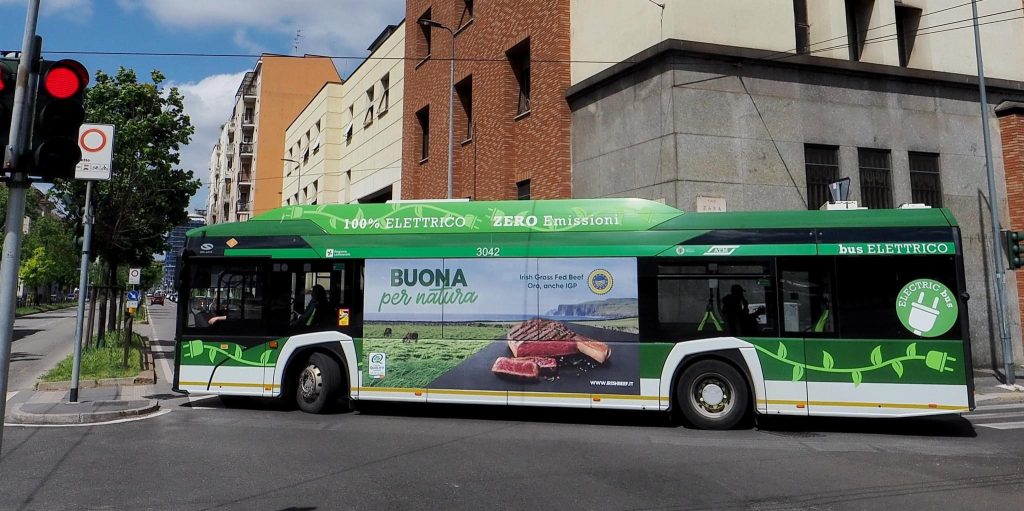
The PGI certification further reinforces this reputation, helping Irish beef stand out in a competitive market and highlighting its quality and authenticity.
We are delighted with the progress since the launch of the PGI last year.
Despite overall negative market trend in beef sales in Italy, Irish grass-fed beef with the PGI has experienced strong growth, leading to the listing of additional PGI cuts and shelf space.
Our research confirmed the halo effect that the PGI consumer marketing campaign has had on the image of Irish beef in general in Italy, with a 4% increase in Italian consumers' willingness to pay more for Irish beef, reaching 67% in total.
How else is Bord Bia Italy working to support Irish farmers and beef exports in Italy?
From a business-to-business perspective, our focus is on cultivating sustainable partnerships between Irish food and drink producers and the Italian retail and wholesale sectors, with particular attention to meat and seafood markets.
Bord Bia collaborates closely with the Italian Butchers Associations to support traditional butchery businesses.
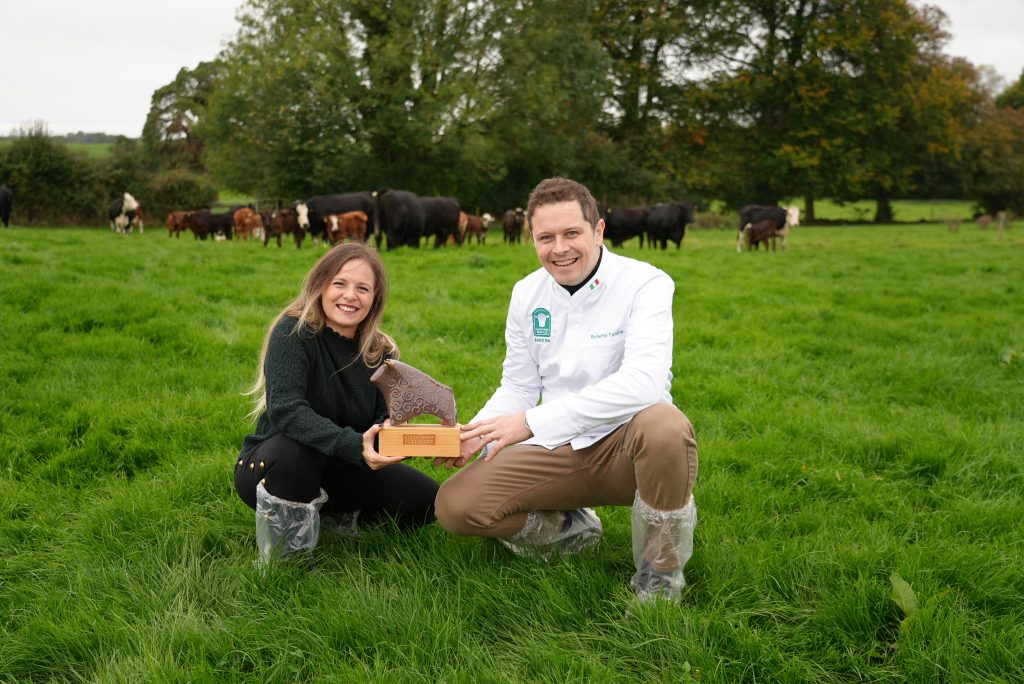
Bord Bia’s Chefs’ Irish Beef Club operates in Italy and includes 10 distinguished members, several of whom are Michelin-starred chefs.
Furthermore, Bord Bia Milan maintains a partnership agreement with the JRE (Jeunes Restaurateurs) Association – a prominent European organisation representing more than 350 high-end restaurants.
What plans have Bord Bia to grow exports to the region?
Italy is a well-established market with longstanding relationships between our clients and customers.
Although the market continues to evolve, we have strengthened our premium position through targeted consumer campaigns, designed to raise awareness of Irish beef among consumers and to drive sales with key customers.
Over the past four years, these initiatives have increased awareness of Irish beef from 42% to 65% in 2024.
Our objective is to sustain or further grow this level of awareness to support future growth in Irish beef exports.
We believe that stimulating demand at the consumer level, through focused campaigns and activations, is contributing significantly to the increase in the value of trade, as a result of positioning Irish beef in the premium category.
Sponsored Article