How digital images are transforming lameness detection

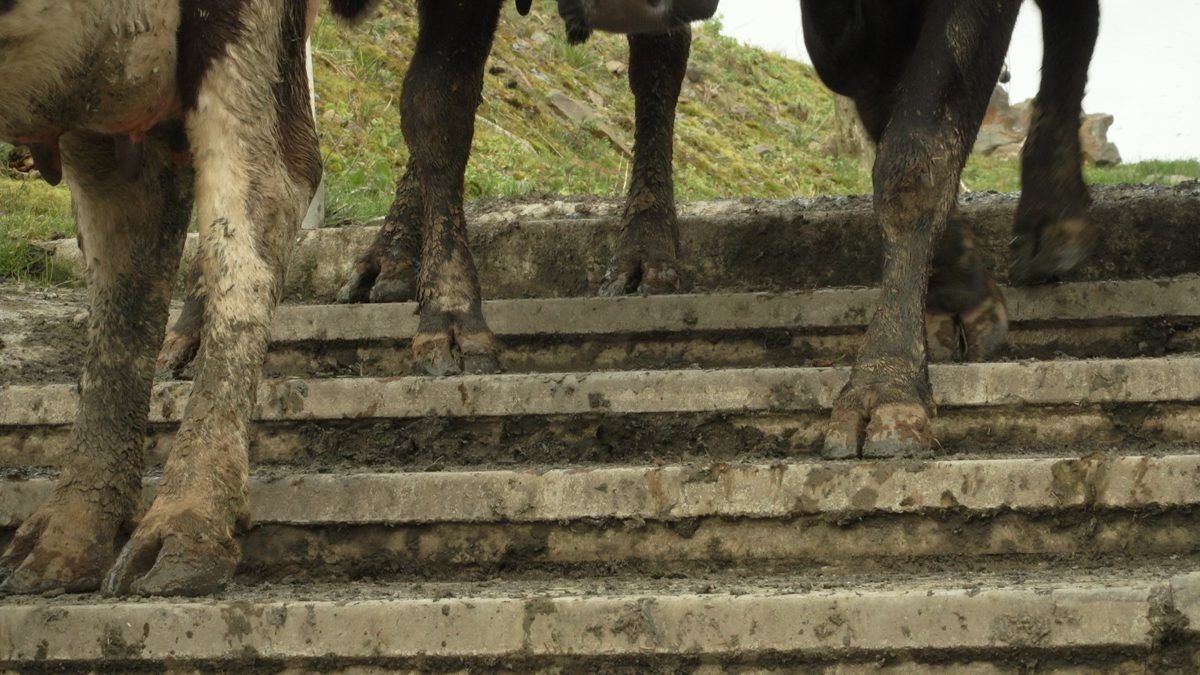
Lameness continues to be a scourge in Irish dairy herds, with the problem often being that issues are not noticed early enough.
The majority of farmers will admit that they only notice a lame cow when she is visibly limping.
The problem with cows getting to this stage is the factor causing the cow to be lame has already advanced, whether that be mortellaro, white line disease, ulcers, or something else.
This means even if treated immediately, you may have already lost out on profit through channels such as reduced milk production or the costs of more intensive treatment.
That is why farmers are often advised to carry out regular locomotion scoring, which can help identify issues as early as possible.
However, locomotion scoring can be quite a chore, with the majority of farmers rarely doing it, if at all.
But what if there was a piece of technology that could do it for you, catching lameness early without the hassle of standing in the yard manually scoring the entire herd?
3D imaging
Technology is being developed that may well be able to replace the need for manual locomotion scoring.
This technology harnesses the power of artificial intelligence (AI) combined with 3D imagining to monitor the gait of cows.
This system has been developed by Censortec, which uses 3D cameras that are able to scan multiple points of a cow's back as she walks under it.
The images are then sent to an AI algorithm, which deciphers a locomotion score for each individual animal.
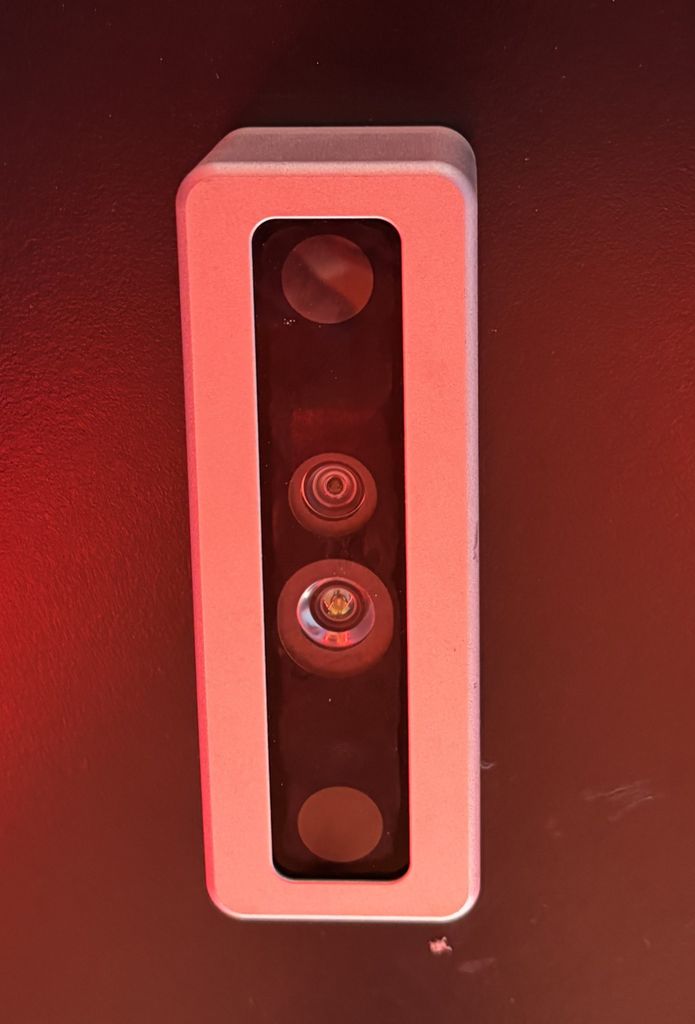
Rather than the usual locomotion scoring of zero to four that farmers are used to, the AI system goes on a 1 to 100 range, with one being severely lame and 100 being as good as possible.
The system will then alert you if a cow drops below a certain threshold, or more importantly, when she is displaying a rapid decline.
That allows for animals to be drafted out early and left close to the parlour to reduce walking and ensure they have enough feed space, while also going in with measure such as hoof pairing before any significant damage is done.
All the system needs is for the cows to have electronic identification (EID) tags, to register each individual animal.
The system has been trialled on a number of farms, and with positive data in the system, is now being rolled out to commercial farms.