Getting ready for hedge cutting season

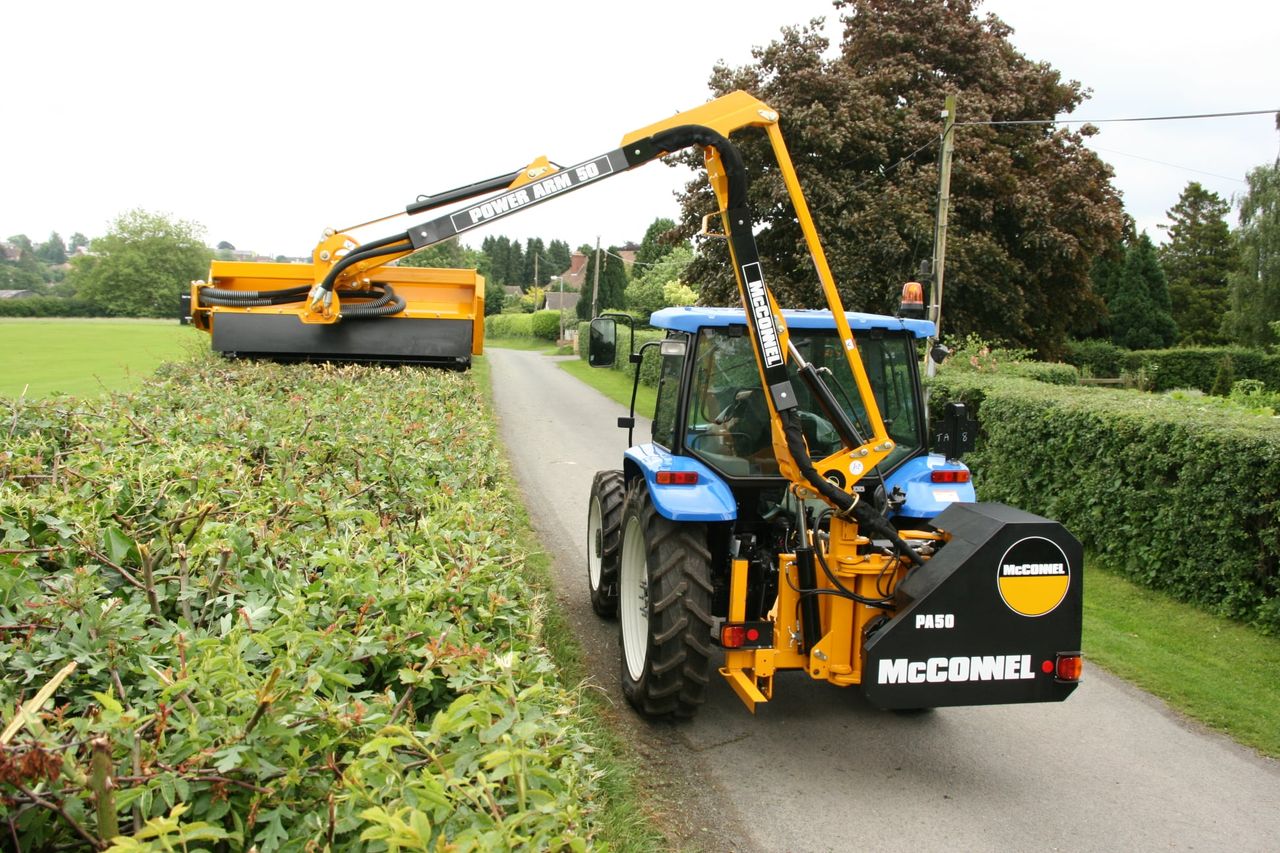
Ireland’s annual hedge-cutting season officially gets underway tomorrow (September 1), with landowners permitted to cut hedgerows through to the end of February.
Landowners are legally obliged to ensure that roadside trees, hedges and vegetation do not obstruct safe usage or maintenance of a public road.
Junctions, bends, entrances or exits and narrow sections of road can become dangerous when visibility becomes limited due to overgrown hedges and vegetation.
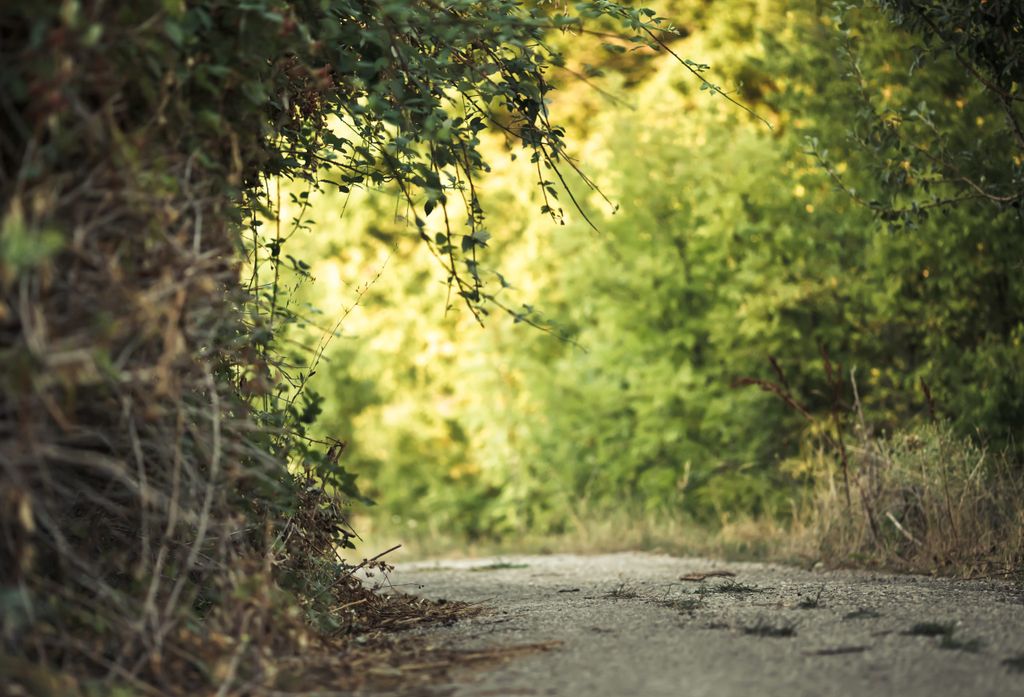
There can also be issues on rural roads if there is encroaching vegetation which pushes drivers closer to the centre of the road.
Road signs and other such key infrastructure can become obscured by hedges.
In some cases, the local county council may issue a written notice for roadside vegetation or hedges that may be a hazard to be removed or altered to make the road safer.
Hedge style
When managing hedges, there are two general categories that they can fall into: topped hedges and treeline hedges.
Both are valuable and they complement each other; however, they provide different habitat spaces for native biodiversity.
It is advised not to trim the top of treeline hedges, as much of the biodiversity exists in the canopy.
While treeline hedges do not strictly need to be cut, they can be have overhanging branches that can cause interference and need tidying.
The benefit of topped hedges is in the dense base, which allows good cover low down for small mammals.
Topped hedges should be let grow as tall and wide as possible, with a bulky structure, to support lots of animals.
In contrast to treeline hedges turning out better with limited cutting, in topped hedges, light incremental trimmings will not shatter stems and allow disease in.
Importance of hedges
Hedge cutting is prohibited at certain times of the year to give birds a chance to nest safely and to protect them during breeding season.
According to Teagasc, of the 110 species regularly recorded in the Countryside Bird Survey in Ireland during the breeding season, 55 use hedges and 35 nest there.
It is forbidden by law to remove or destroy a wild bird's nest or eggs is forbidden, so agricultural operators who are cutting hedges must be wary not to impede on nests even when hedge cutting is allowed.
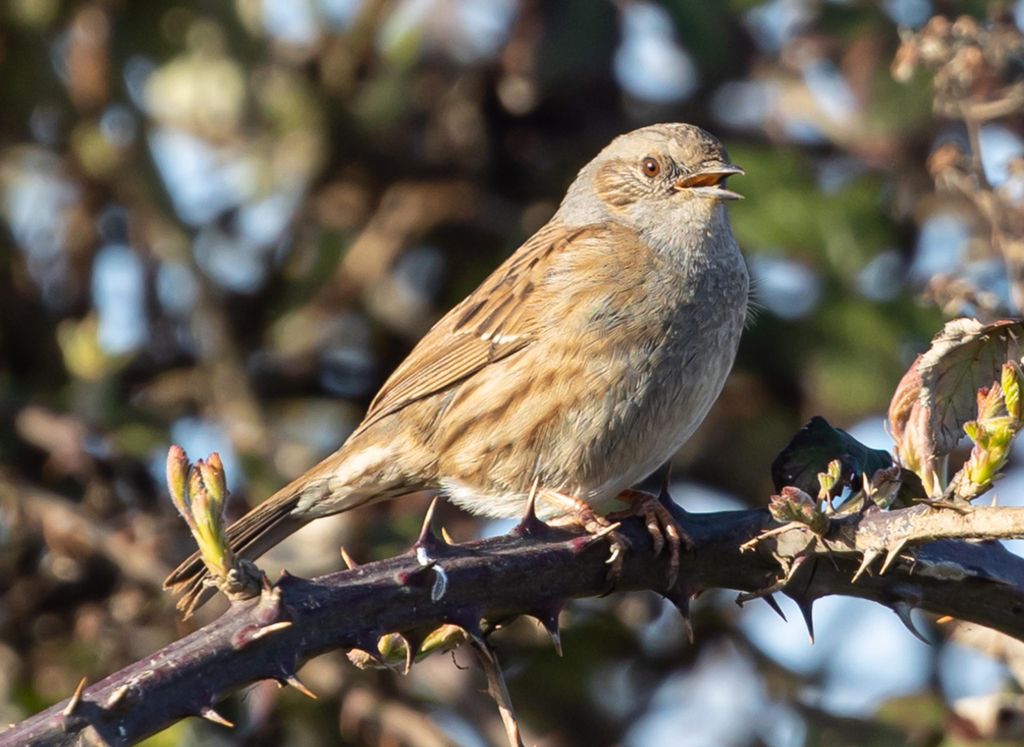
Birds, insects, hedgehogs, stoats and field mice are among the animals that heavily rely upon hedges for cover and to raise their young.
Additionally, hedges can act as wildlife corridors, connecting two large areas that support many animals natural habitats.
Hedges can also help carbon from the atmosphere and mitigate fertiliser run-off.
While breaches of the Wildlife Act's seasonal hedge cutting restrictions can attract fines (up to €5,000 when charged as a summary conviction), larger penalties can arise where hedgerow removal breaches separate environmental regulations.
Under environmental regulations, landowners must apply for screening if they wish to remove any hedge over 500m in length, or if removal of any field boundary would result in the creation of a field over 5ha in size.