From China to Brazil: The markets shaping Irish pork

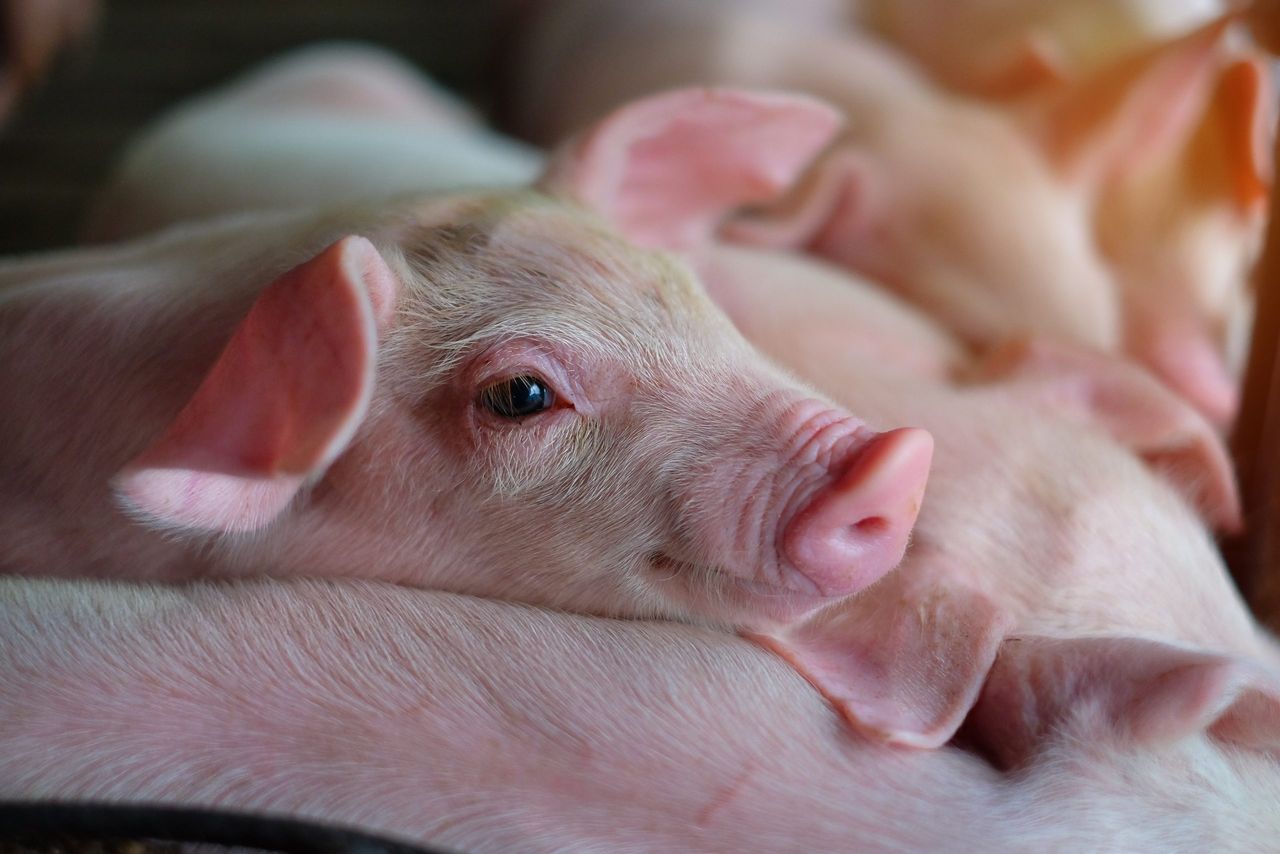
Global events have kept Irish pork markets on edge since last summer, with trade shifts and geopolitical tensions influencing prices for farmers here.
While the market has steadied in recent weeks, Irish pig farmers continue to face significant headwinds.
Frank Brady, a pig farmer based in Cootehill, Co. Cavan described his current situation as “a nightmare”.
He said “over-production of pig meat in the world” has been a key factor in prices dropping "10 times over the past year", which he said is “unheard of”.
Prices according to Brady may have been “at a high level” this time last year, but he said that that advantage is “eroding”.
He added that overheads have increased in multiple areas, including electricity, labour, and transport.
Prices
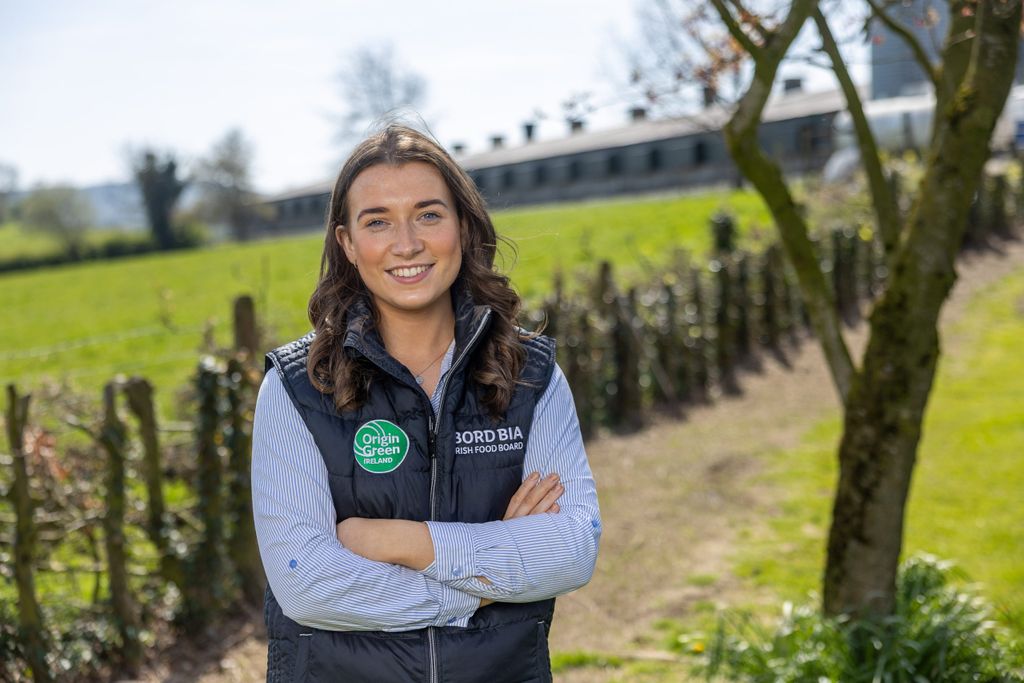
Separately Shauna Jager, a pigmeat and poultry executive in Bord Bia, told Agriland that while prices are down year-on-year, they have shown signs of stability in recent weeks.
“The latest department reported price over the past five weeks show they’ve stayed stable.
“The latest price was 175c a kilo since week ending June 12. And it’s remained broadly on that since the past five weeks," she said.
According to Jager there can be small differences in “arrangements between processors and producers”.
Causes of price drops
Jager said that the price of pork has fallen since mid-summer of last year “significantly”.
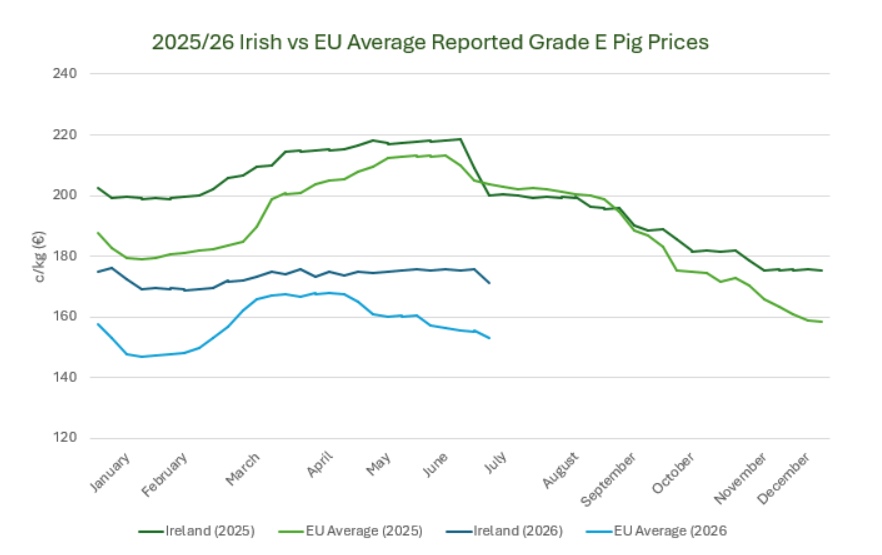
Jager said: “The first two weeks of August 2025, the price was 199.35c per kilo.
“Although its stabilised the difference between now and this time last year is high.”
She outlined that there are numerous factors which have contributed to the current price difference.
Jager added: “Pig supplies have remained strong at home in Europe.
“Irish pig throughput is running about 4% ahead of the already-elevated 2025 levels, which is obviously increasing volume of product available.”
She described international market conditions as “challenging” in the past 11 months.
“In Europe, pig prices are under pressure as supply has increased in the European market.
“And there were disruptions from African swine flu (ASF) restrictions: Spain had an ASF case, which limits their export markets and increased their volume to European markets," she added.
China and Brazil
Developments in Asia have also had an impact on Irish exports.
Jager said: “China was always a key market for Ireland and European exporters, and demand from China has weakened as they have become more self-sufficient in pork production.
“Their domestic supplies are strong – their hog prices are under pressure too, and their import requirements are down."
China’s pork production in the first quarter of 2026 increased 4.2% year-on-year to 16.7 million metric tonnes.
Other countries have also seen production growth this year.
Jager described Brazil as having “record levels of production in 2026, and gaining market share in Philippines and Japan, both of which are countries that Spain is restricted from”.
She said: “We would’ve said that there’d be opportunities in Philippines and Japan during that time, especially in Japan, where Spain made 34% up of their imports.
"But with the increasing competition from the likes of Brazil, it’s reducing opportunities for European exporters.”
These factors, Jager said, are “reflecting price sensitivity in those markets and reducing chances for Ireland”.
“Generally, a softer condition for the European market because of product saturation is what is creating price pressure," she added.
European comparisons
Currently however Irish pork holds an above-average price premium compared to some other European countries.
Jager said: “It’s worth nothing that while Irish pig price has reduced since its position last year, it has recovered since the start of the year and maintained a premium over EU average since the start of 2026."
Figures provided by Bord Bia show that for the week ending July 12 this year, Irish prices were at 171c per kilo, while the average European price on the same week was 153c per kilo.
According to Teagasc, the average sale size for a commercial Irish pig is roughly 120 kilos in live weight, which yields a deadweight, or carcass, of about 90 kilos.
Actions being taken
Jager said that Bord Bia is “doing a number of things” to help Irish producers.
She added: “We’re doing a lot of work on home market to build on promotions for quality assured pork through retail; also looking at research work into growing the demand for quality assured pork in the home market.
“The home market is high value.
“The more support we can give to increase the demand and support that market, the better."
She described domestic promotion as a “key pillar of our focus”.
Jager added: “As always we have our promotions ongoing in exports –mainly b2b, talking about attributes of Irish pork, differentiating factors.
“We’d target through the right channels – importers, distributors, customers who buy Irish pork as well as new customers to inform them of the attributes of Irish pork."