Final push to complete disease control programmes in cereal crops

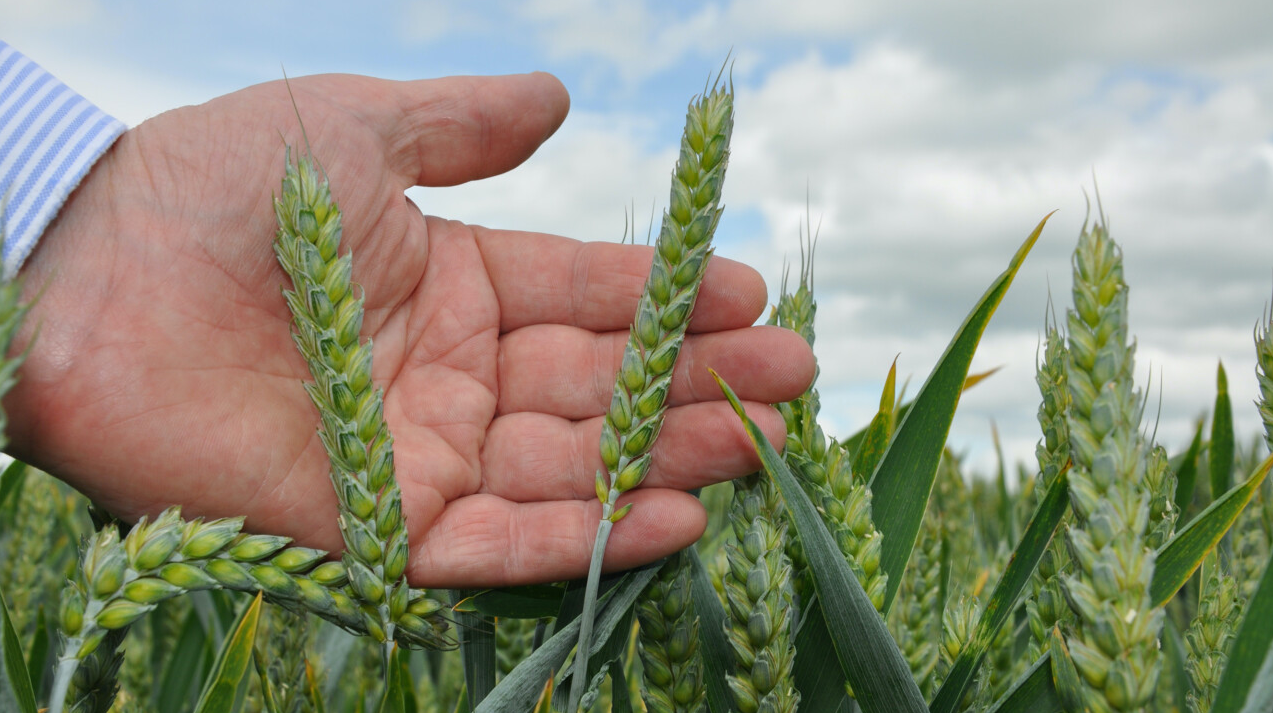
Teagasc is confirming that the coming days will see the completion of most disease control programmes in winter wheat and spring barley crops.
Meanwhile, the start of the 2026 harvest continues to draw ever closer. Recent rains have served to boost crop growth rates.
What is required now are a few dry weeks to get the combines rolling.
Winter wheat
According to Teagasc agronomists, septoria levels have been very low up to this point, as a result of all the dry weather in late May.
Yellow rust has been an issue in some crops, mainly those that did not receive a leaf four application and can still be seen in crops on the flag leaf.
Meanwhile, the final ‘head’ spray helps to top up control of disease on the flag leaf.
It gives some protection against fusarium and other ear diseases, especially if the weather is broken during flowering.
Growers should time the final fungicide application at early flowering, which is normally three weeks after the flag leaf spray.
Spring barley
Many of the March drilled crops have already received their final fungicide.
However, most of the later sown crops still have to receive their final application.
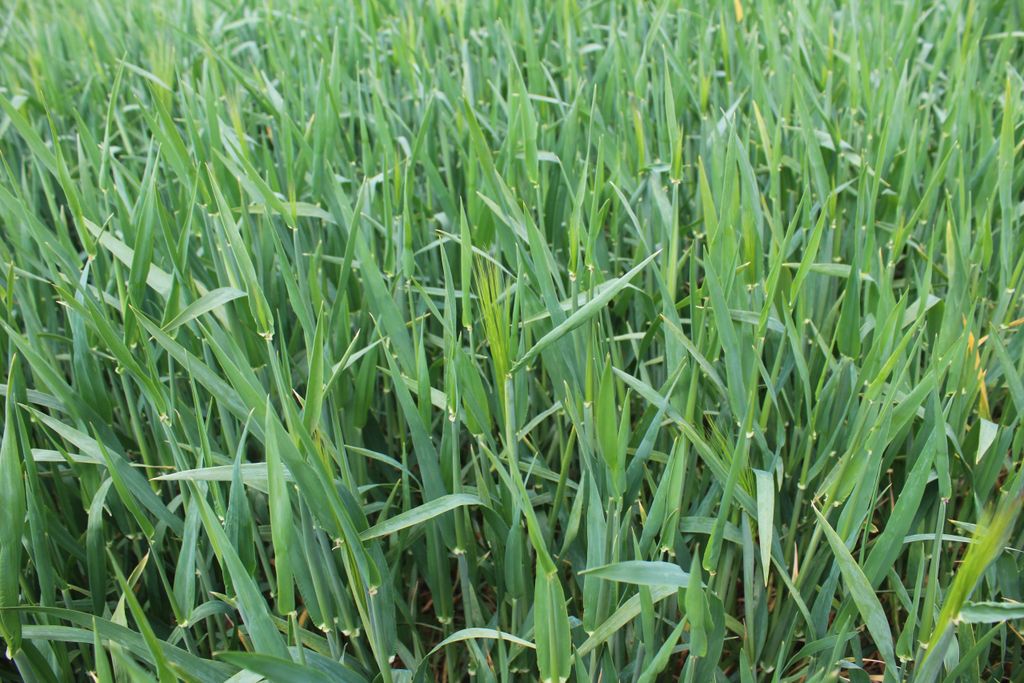
Late season disease control in spring barley is designed to control ramularia and diseases such as rynchosporium or net blotch.
Agronomists are confirming that ramularia will probably be an issue this year due to the weather conditions in May, ranging from cold north winds in the first half of the month to record temperatures at the end of the period.
While different varieties have differing levels of tolerance to ramularia, being able to predict which varieties are going to show signs of infection is very difficult.
For this reason, we would recommend that growers protect all barley crops from ramularia.
Fungicide timing
Repeated trials have clearly shown that from flag leaf fully emerged to the awns peeping is the optimum timing for applying the final fungicide to spring barley crops.
However, waiting for the heads to come fully out and to start flowering (i.e. 10 -14 days later) can reduce yields by 0.3-0.4t/ha.
This yield loss clearly shows that allowing ramularia to develop in the crop makes it more difficult to control, so earlier applications of fungicides are important.
This is because all the products that are available will only work preventatively; they will not cure it when it is visible.
Therefore, by applying a fungicide early, growers are trying to delay the infection from occurring for as long as possible, thus keeping the crop greener for longer.