Farming families call for improved mental health supports
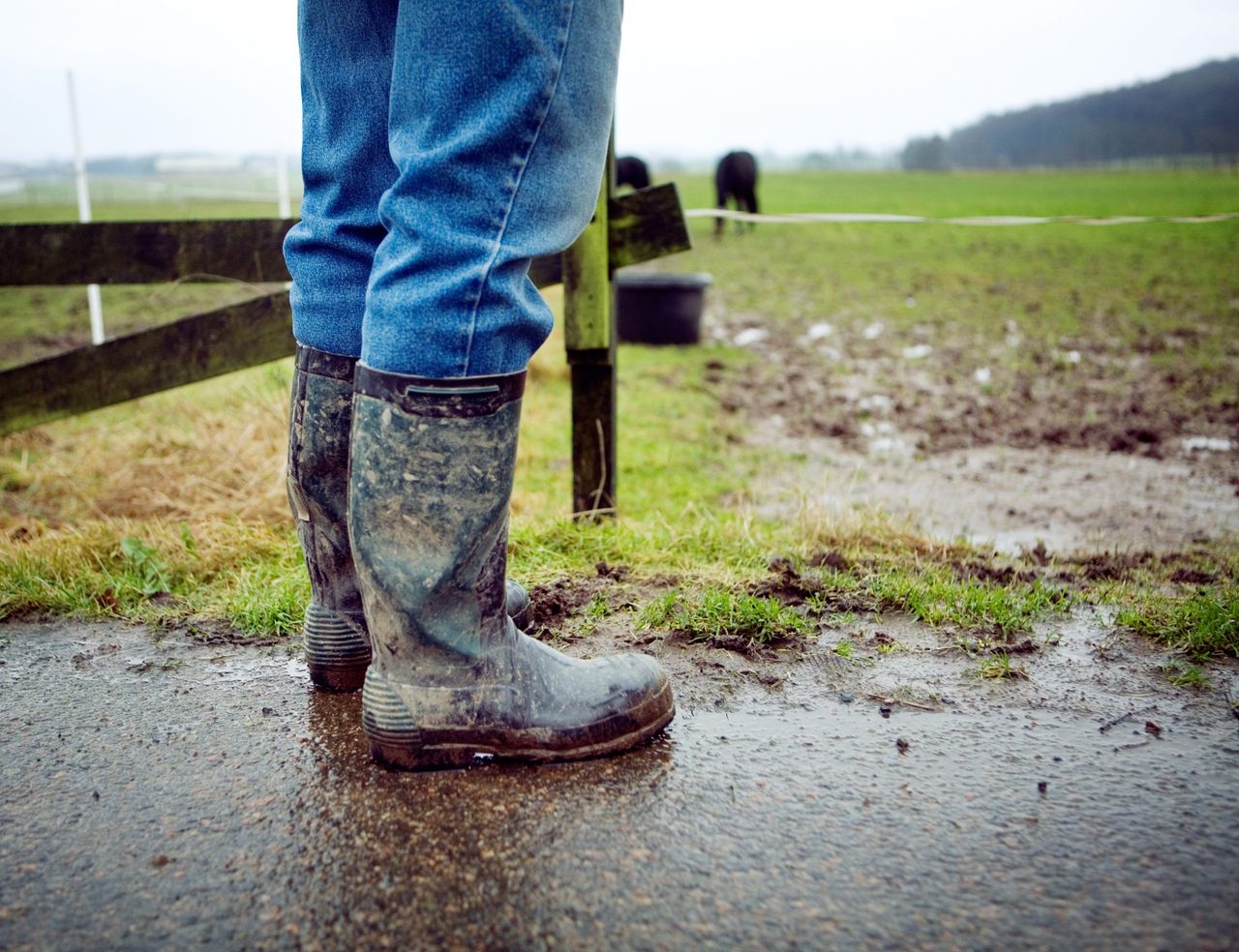
Farming family members will now be more involved in conversations surrounding mental health thanks to new research.
The study titled ‘Preferences for Mental Health Interventions Among Farming Family Members’ forms part of the FarmFaMHealth project at Dublin City University (DCU).
The research will help advise organisations working within the agricultural sector on the best way to offer mental health supports and interventions.
The study focuses on farming family members as their own distinct group and aims to bridge the research gap between family members and the farmer.
16 family members were asked about what interventions they would like to see in rural areas.
These include better execution of events, better facilitators and more information surrounding the signs of poor mental health.
Family members
As the winter sets in, the focus around farming mental health begins, dark mornings, cold evenings, and rising prices can all contribute to stress levels on the farm.
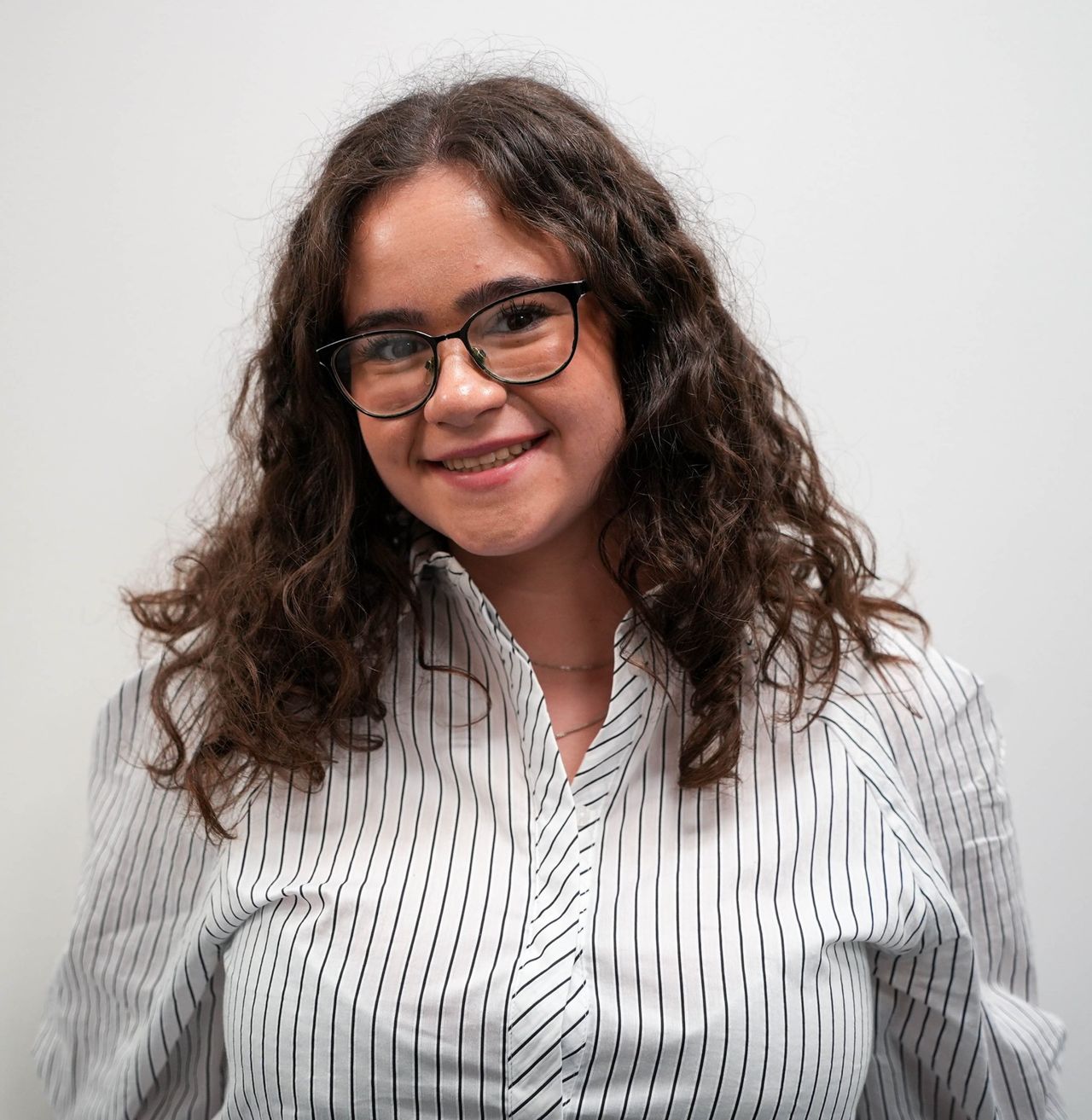
Having grown up on a farm in east Cork, researcher Siobhan O’Connor has had first-hand experience of the challenges felt by farming families.
The DCU professor is leading the The FarmFaMHealth project along with Dr. Anna Donnla O’Hagan.
O'Connor explained to Agriland that when conducting the research, they had found similarities in the struggles felt by both farming family members and the farmer themselves.
“We actually need to look at family members as a population because sometimes they could be potentially left behind," O'Connor said.
“A lot of our work might just focus on the farmers themselves but not the broader group of people that are also doing a whole lot of work on the farm.”
O’Connor highlighted the importance of involving farming families in the decision process of mental health interventions,.
“We need to talk to the people who are going to be the using these services and see what they want," she said.
"For example, what formats do they like, how do they want it to work, and what content they want?”
Farming supports
The researcher explained how family members don’t necessarily identify with the available farming supports as farming is not their full-time job.
She said: “Some thought these services were only for the primary farmer despite contributing so much of their time and effort and money to the farm.
“It's even more difficult for them; they've got these busy lifestyles as well working on the farm.”
O'Connor pointed out that stigma surrounding mental health in rural communities was preventing people from availing of these services.
She said: "Families don't want people to think that there was anything wrong with their family."
She highlighted the importance of improving stigma about normal everyday struggles of farming life.
"Obviously its really important to support someone in crisis but it's really important for the stigma perspective to also talk about normal stressors."
Interventions
The study found four different interventions that would best suit farming families which included:
- Interventions built into already established farming organisations;
- Facilitators that know both mental health and farming;
- Informal sessions during quieter farming months;
- How to spot the signs of someone struggling.
According to O'Connor, it is essential for research to involve farming families to ensure services are effective and accessible.