EU milk supply 'better than expected' given drought conditions

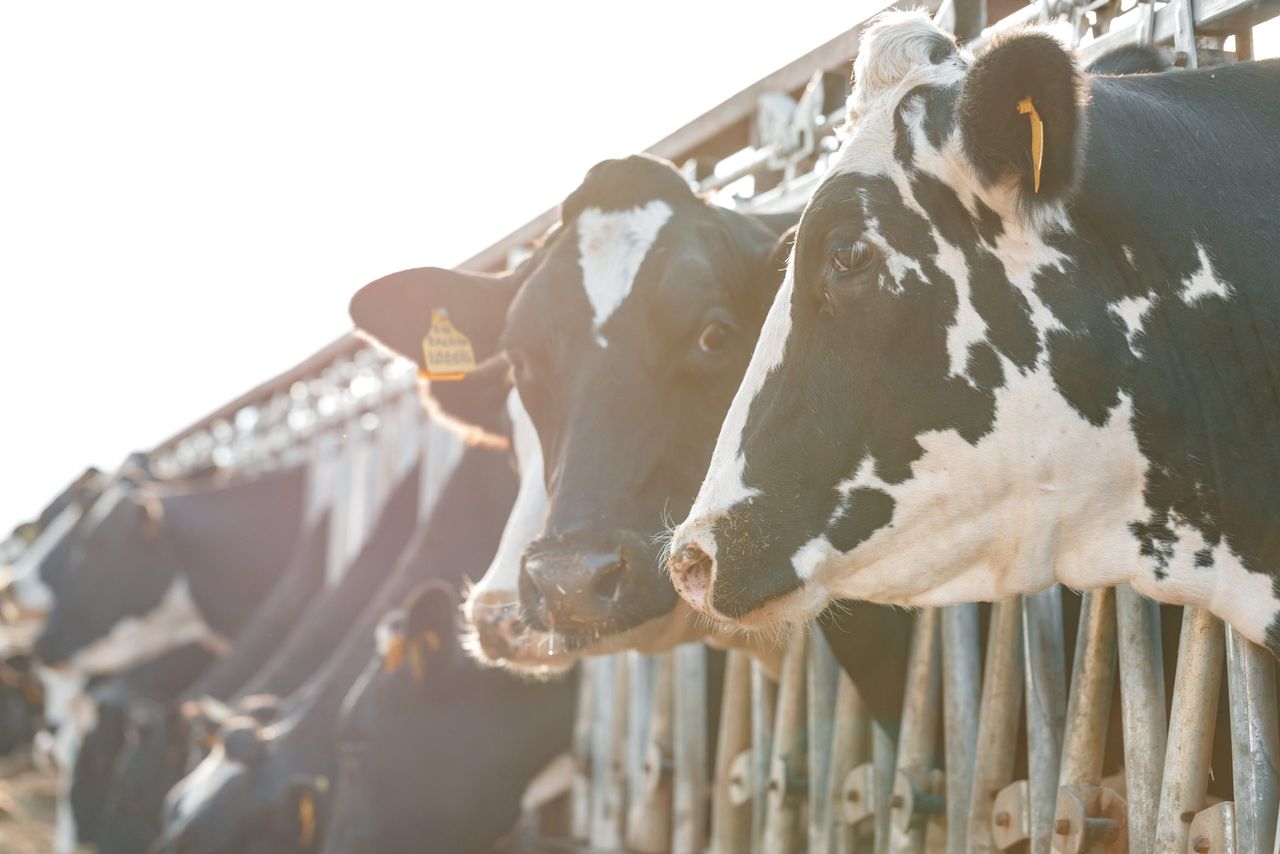
Given drought conditions in many regions, milk flows have been better than expected in the EU, particularly in France and Germany, according to a new report from Ornua.
The Ornua Market Report for September 2026 said that concerns around European milk supply continue to underpin the market.
While supply has been better than anticipated, the full effects of the drought may not be felt for a few months, Ornua said.
Demand has surpassed expectations, particularly exports, with volumes up about 9% year-to-date.
While this is a positive development, it could potentially lead toweaker demand further out, the report warned.
Additionally, muted consumer confidence and robust US and New Zealand milk flows suggest that the potential for significant price growth through the remainder of the year still appears limited.
European milk supply
From January to July 2026, EU milk collections rose 2.3% in June and by about 2.2% in July.
In Ireland, output fell by 3.4% in June and by a further 2.2% in July with extreme drought impacting.
In Germany, July collections (+5.7%) were stronger than expected,though weekly flows are easing.
In France, collections fell by about 0.3% in July; while in the Netherlands, collections remain strong, increasing by 3.3% in Juneand about 2.6% in July.
Ornua noted that like Ireland, UK milk flows have been impacted by extreme drought in recent weeks.
The annual forecast for European milk supplies has been adjusted back up to 1.7% for now, Ornua said.
Market outlook
German and French flows have been better than anticipated, but the EU growth rate is slowing, and drought concerns should support the market, Ornua said.
US and New Zealand flows have been robust and will offset some of the slowdown in Europe, at least in the near term.
El Nino is expected to peak in November and December, and it is likely that the full effects of weather-related supply issues will not be fully felt until early next year.
September is usually a strong demand period across all commodities, and demand has surpassed expectations, particularly exports.
The market could benefit from a significant decline in global milk supply in the near term, however, supply is unlikely to decrease substantially until next year.