EPA: 24 local authorities met standard for farm inspections in 2025


Local authorities must sustain the increased level of farm inspections and strengthen enforcement of non-compliance.
That is the message from the Environmental Protection Agency which today (Wednesday, July 22) published its report on the environmental enforcement performance of local authorities in 2025.
The report assesses performance against the National Enforcement Priorities (NEPs), which target the most significant environmental risks and compliance challenges across the country.
Local authorities
Last year, Ireland’s 31 local authorities employed 668 environmental staff, responsible for enforcing 10,700 licences, permits and certificates.
Councils carried out 252,000 inspections, responded to 85,500 environmental complaints, took 23,550 enforcement actions and initiated 386 prosecutions.
The EPA found that 83% of the work carried out by local authorities met the required standard of strong or excellent, an increase of 4% compared to 2024.
However, 17% of NEP assessments did not meet the required standard.
Dún Laoghaire-Rathdown County Council, Galway City Council and South Dublin County Council met the required standard across all NEPs.
However, Leitrim County Council and Sligo County Council failed to meet the required standard across multiple priority areas.
All local authorities achieved the required standard for illegal waste enforcement.
Farm inspections
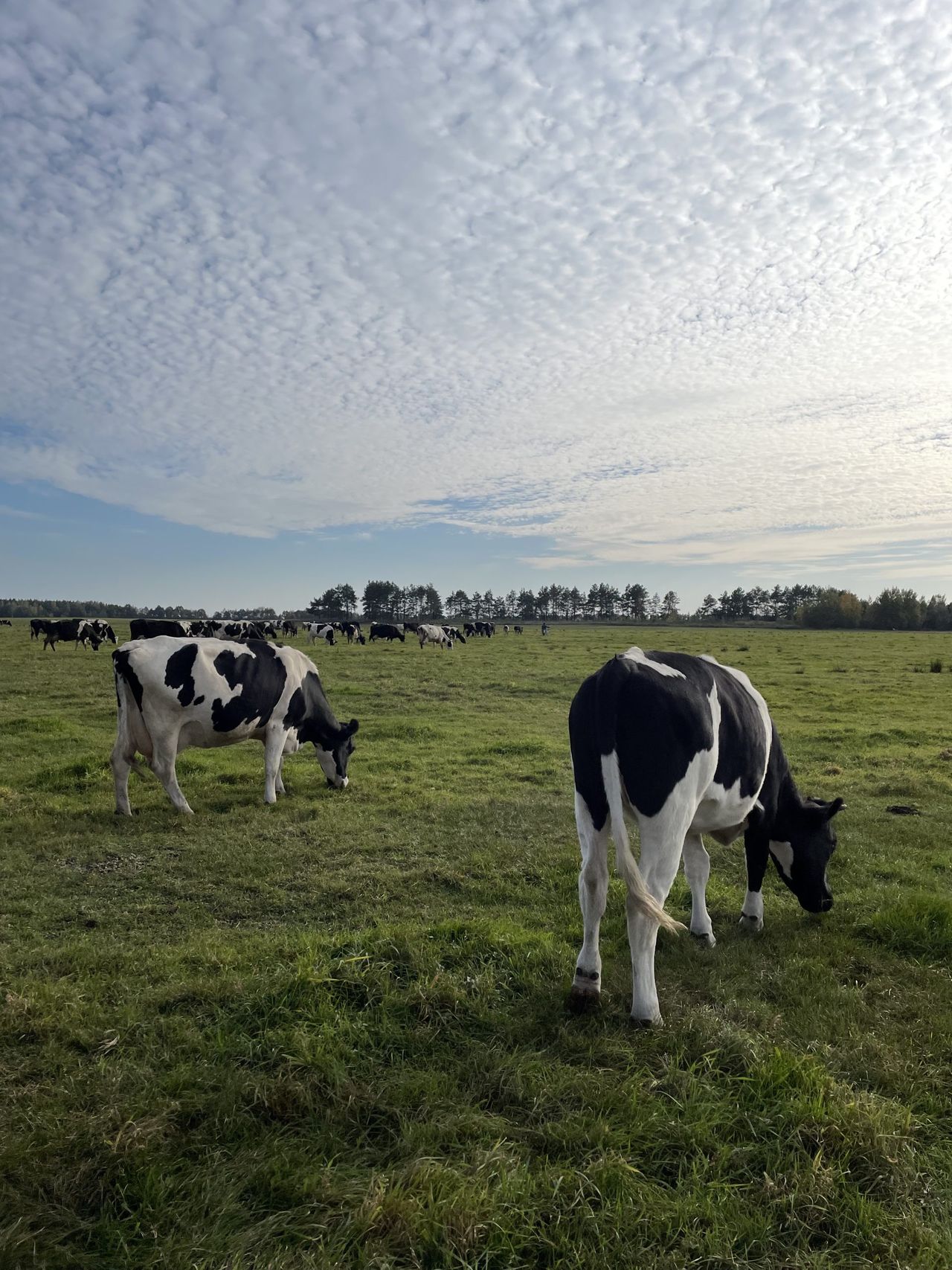
The report shows that farm inspection and enforcement activity "increased significantly" last year under the National Agricultural Inspection Programme.
The EPA said there was a "notable performance improvement" in the two agriculture NEPs with 24 local authorities achieving a strong or excellent standard in both.
These NEPs are focused on slurry/soiled water collection and storage, along with slurry and fertiliser spreading.
Local authorities carried out 4,315 initial inspections under the Good Agricultural Practice (GAP) for Protection of Waters Regulations in 2025.
This is 66% higher than in 2024 and 96% of the 2025 target of 4,500 inspections.
While enforcement actions taken by local authorities were up 68% on 2024, prosecutions and cross‑reporting remained low.
The EPA said "regulatory compliance on farms is essential to protect and improve water quality".
Actions
The report calls on local authorities to take stronger action to enforce trade and sewage effluent discharge licences into water.
More targeted waste enforcement actions aimed at households and commercial premises are recommended, along with maintaining inspections on solid fuels.
The report highlighted a campaign by Tipperary County Council to assess compliance with solid fuel legislation, with a particular focus on firewood producers.
Following a desktop review, which included social media and roadside adverts, 11 firewood producers were identified and contacted by the council.
Three producers have registered with the EPA, six engaged with the Wood Fuel Quality Assurance Scheme and are progressing towards certification, and two newly identified producers are being followed up.
"These inspections and engagement highlighted a lack of awareness among firewood producers regarding the Solid Fuel Regulations and their obligations.
"In response, Tipperary County Council launched anawareness campaign using newspaper and social media notices," the report said.
EPA
Dr. Tom Ryan, director of the EPA’s Office of Environmental Enforcement, said that local authorities play a vital role in protecting Ireland’s environment and communities.
"In 2025, most local authorities demonstrated strong overall environmental enforcement performance.
"Improvements were evident across several key enforcement priorities with increased inspection and enforcement activity.
"However, some local authorities such as Leitrim and Sligo County Councils need to do much better," he said.
"Our report also identifies areas where stronger and more consistent enforcement is needed, particularly in relation to waste segregation, discharges to water and transport noise.
"Local authorities must address these shortcomings by prioritising and allocating appropriate resources to maintain the positive momentum and to ensure consistent and effective environmental protection across the country," Ryan added.