Dublin conference tackles farmer safety and wellbeing issues in EU

A three-day international conference taking place in Dublin this week is bringing together experts from around the EU on the attractiveness of farming, and the safety and wellbeing of farmers and farm workers.
The SafeHabitus Conference and Film Awards 2026 began today (Tuesday, November 3) and runs until Thursday (November 5).
The event is being held at Teagasc Ashtown in Dublin.
Teagasc said that, according to an EU-wide survey, farmers are among the most enthusiastic workers in the EU. However, the same survey also found that agriculture has the lowest earnings and the poorest career prospects of any sector, and the highest exposure to excessively hot weather.
Teagasc noted that farming is also one of Europe's most dangerous occupations.
On an EU level, the sector's fatal accident rate is close to that of construction and more than three times the average for all sectors; however, official figures may understate the true toll.
Figures from the SafeHabitus initiative indicate that EU statistics miss around four in 10 farm deaths.
These are set to be the key issues addressed over the three-day conference.
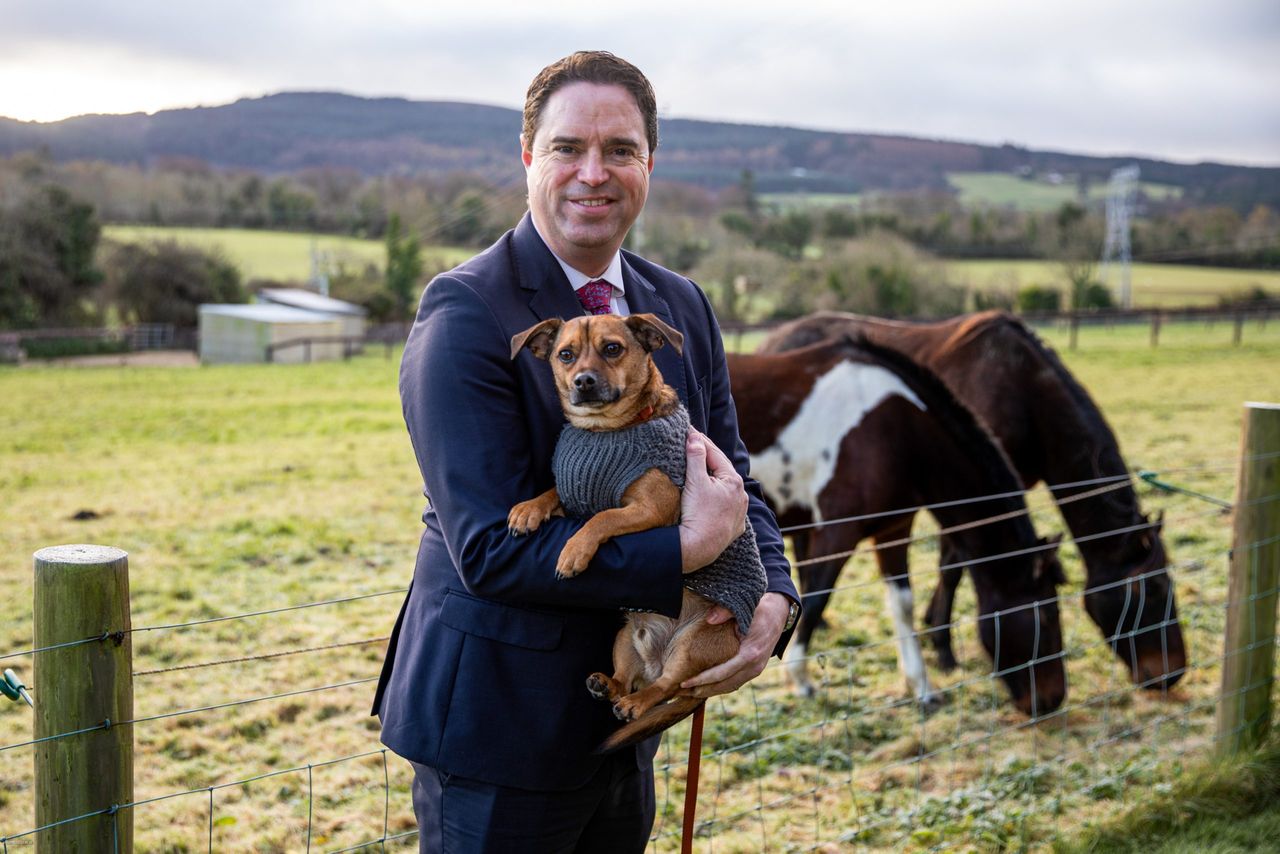
The event will hear from dozens of researchers and experts, along with Minister for Agriculture, Food and the Marine, Martin Heydon; Minister of State for farm safety, Niall Collins; and president of the European Economic and Social Committee (EESC), Séamus Boland (who is the former CEO of Irish Rural Link).
Speaking ahead of his expected appearance at the SafeHabitus Conference tomorrow (Wednesday, November 4), Minister Heydon said: "Farm safety is one of the most critical issues facing farming and is an area that I have prioritised in recent years.
"Three-quarters of the 24 people who died on Irish farms last year were over 60 years-of-age.
"This brings home the importance of taking all necessary steps to ensure farms are safe for everyone who comes in the gate.
"I am urging farmers to take the time to review their safety at all times and carry out any necessary checks, maintenance and repairs without delay," he said.
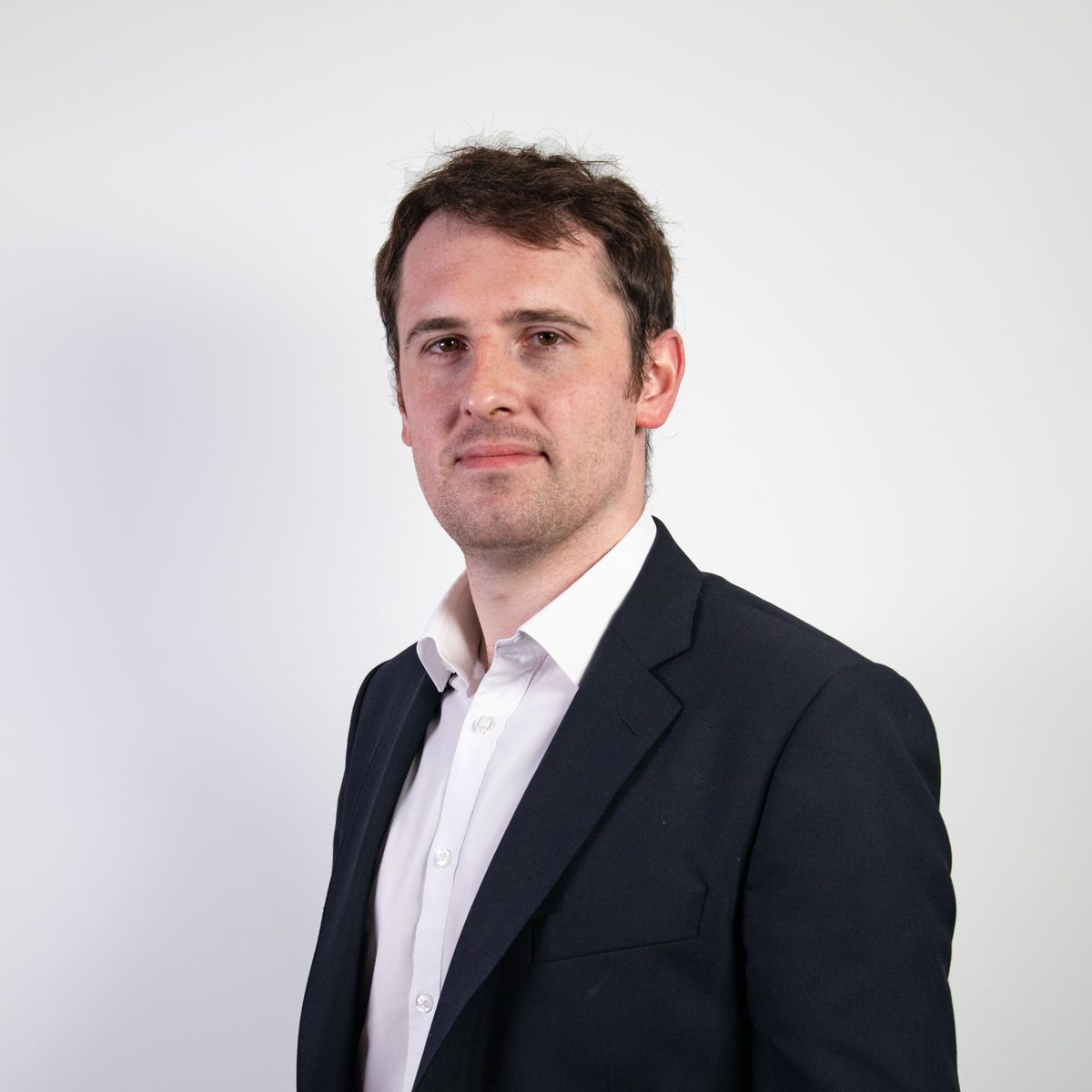
Teagasc's Dr. David Meredith, principal investigator of SafeHabitus, commented: "Whether young people choose farming, and whether those already farming stay, comes down in large part to working conditions: ability to earn a decent income; work-life balance and whether it fits with family life; how safe the work is; and its effect on health and wellbeing.
"Good working conditions build the social resilience that an attractive, competitive farming sector depends on."
Séamus Boland, president of the EESC (which is one of the key advisory bodies to the EU institutions) said: "Farmers and farm workers are the backbone of Europe's rural communities, and the conditions they work in will decide whether those communities have a future.
"The EESC has long argued that farming must become a genuine career choice for young people.
"That means fair incomes; safe and healthy work; and a real voice for farmers, workers and civil society in the policies that shape their lives," Boland added.
Minister of State Collins said: "We will hear from leading national EU and international researchers over the coming days about the challenges that farmers and farm families face.
"But knowledge alone isn’t enough; farmers need support to make changes to make their farms safer while also supporting their health and wellbeing," Minister Collins added.
The conference includes the SafeHabitus Film Awards, which will feature documentary films on the "realities of farming life".
SafeHabitus is an EU research and innovation project coordinated by Teagasc, and has been running since January 2023.
Teagasc said the project's aim is to support farmers, farm families and farm workers to adopt healthier and safer ways of working.
SafeHabitus has received €4.73 million from the EU's Horizon Europe programme, and involves 20 organisations from 13 countries.