Bluetongue cases in Ireland soar to 81

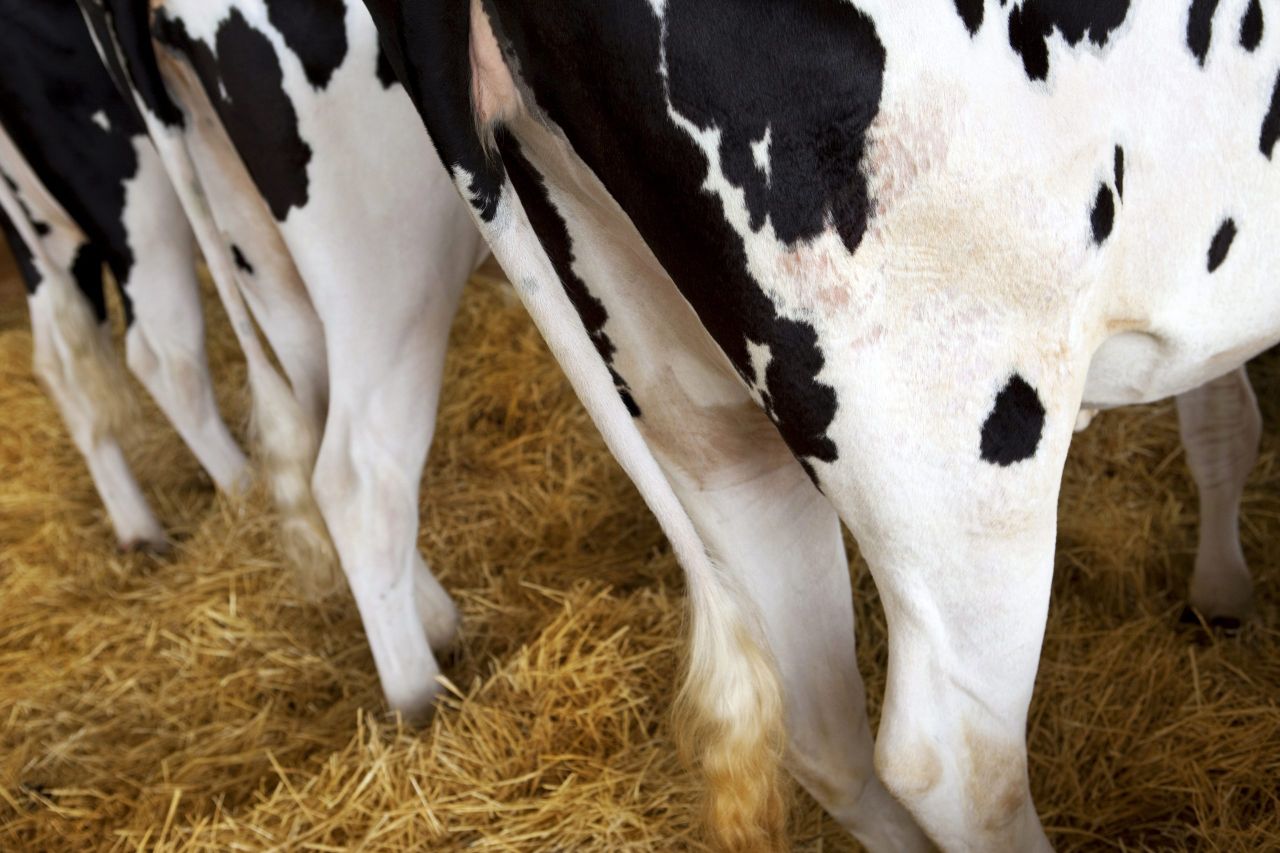
The number of bluetongue cases in Ireland has hit an all time high of 81 according to new figures released today (Tuesday, November 3).
The Department of Agriculture, Food and the Marine (DAFM) confirmed that County Wexford has the highest number of cases in the country.
A total of 27 bovine cases and two sheep cases have now been detected in the county.
Bluetongue cases have now been identified in 15 counties.
| County | Bovine Cases | Ovine Cases | Total Herd cases (Ovine&Bovine) |
| Cork | 9 | 0 | 0 |
| Dublin | 1 | 0 | 1 |
| Kildare | 8 | 1 | 9 |
| Kilkenny | 7 | 0 | 7 |
| Leitrim | 1 | 0 | 1 |
| Longford | 1 | 0 | 1 |
| Louth | 2 | 0 | 2 |
| Meath | 3 | 1 | 4 |
| Monaghan | 1 | 0 | 1 |
| Roscommon | 1 | 0 | 1 |
| Tipperary | 1 | 0 | 1 |
| Waterford | 8 | 0 | 8 |
| Westmeath | 1 | 0 | 1 |
| Wexford | 27 | 2 | 29 |
| Wicklow | 5 | 1 | 6 |
| TOTALS | 76 | 5 | 81 |
According to DAFM animals in Ireland have shown key clinical symptoms of the bluetongue virus including crusty noses, drooling, mouth ulcers, lacrimation, lameness and crusty teats.
Sheep are more likely to show obvious clinical signs of bluetongue than cattle if they become infected, and mortality rates can be as high as 70%.
The bluetongue virus is spread by infected biting midges (Culicoides species) which can be found throughout the island of Ireland.
Bluetongue transmission occurs when these biting midges feed off the blood of an infected animal and then spread the virus to other uninfected animals they bite.
According to DAFM insecticides are not protective against bluetongue and do not have a role in treatment.
UK
Meanwhile in the UK there have been 3,472 cases of bluetongue serotype 3 (BTV-3) or unspecified serotype in the UK in the 2026 to 2027 bluetongue season.
This includes:
- 2,917 cases in England;
- 500 cases in Wales;
- 55 cases in Scotland;
- 0 cases in Northern Ireland.
According to the Department for Environment, Food and Rural Affairs (Defra) there are also currently 46 potential cases of bluetongue under investigation in Great Britain.