Drought highlights urgent need for Irish irrigation infrastructure

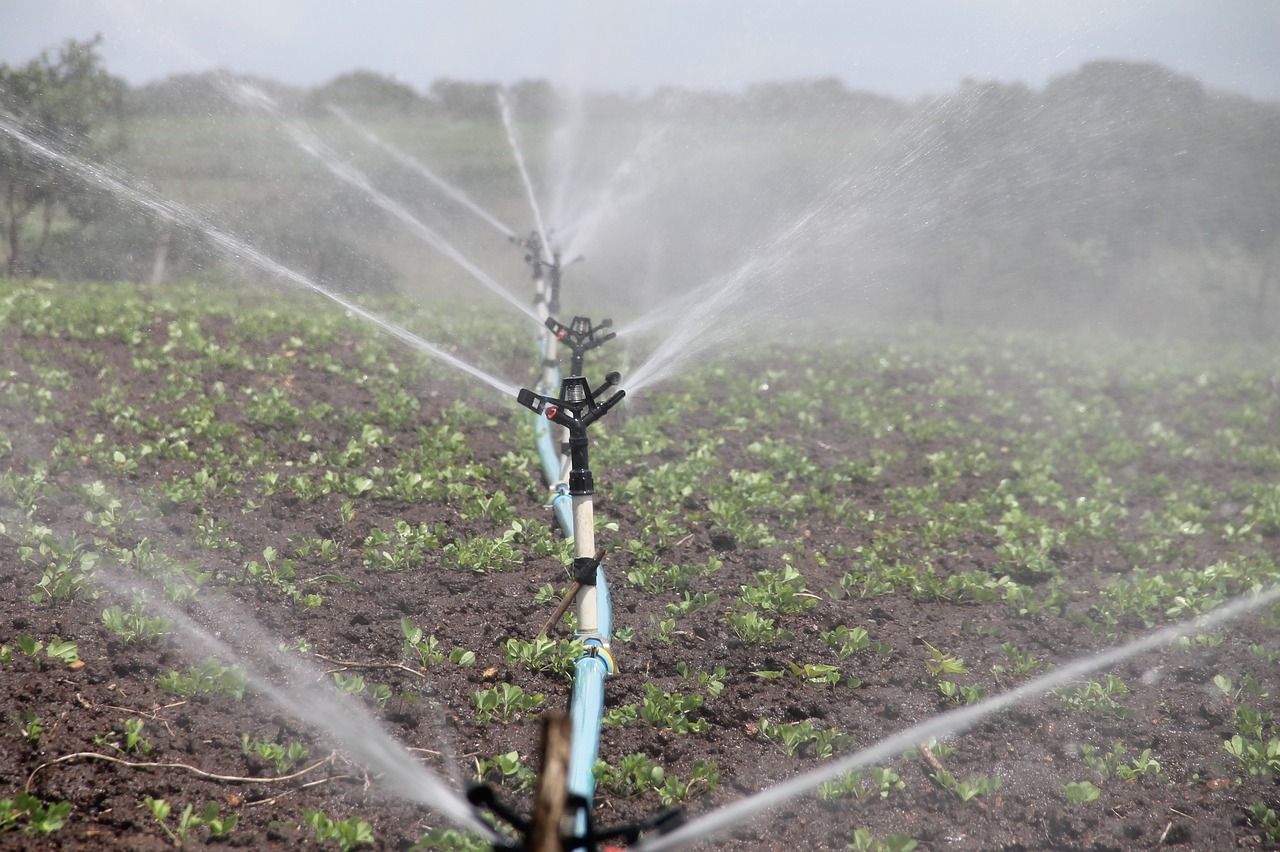
As Irish potato and vegetable growers count the cost of the drought, the government is being asked to give serious consideration to irrigation infrastructure.
Shay Phelan, tillage and crops specialist with Teagasc, said the past 6-8 weeks have been very difficult for growers, both physically and mentally.
While the arrival of rain in the past 10 days is welcome, the impact of the prolonged dry spell can be seen in many fields.
“It's a mixed bag out there is probably the best way to say it," Phelan told Agriland.
"There is a lot of good crops out there, but it's also on the other side, there's a lot of poor crops as well. So we may just wait and see how they go later on in the season," he said.
Crops
The ability for growers to access adequate water supplies for irrigation in recent months will be key to crop yields.
"Those crops that are irrigated are probably quite good. I won’t say they're brilliant crops, but they're probably going to be reasonably good crops, where they received enough water in the last six to eight weeks.
"Not every irrigated crop has been able to get enough water onto them when they wanted. It's really a case by case, a situation by situation or even a field by field basis on how good those crops are," Phelan said.
"Crops that haven't been irrigated, there are some disaster stories in those. There’s no point in beating around the bush on that.
"Some of them have senesced themselves over the last three weeks, so those crops won't recover.
"The quality of some of those will be quite poor, the size of them will also be quite poor as well," he added.

Some crops that survived on heavier ground are starting to "green up" due to the recent rainfall.
"What's happening there is a release of any residual nitrogen that's been in the soil and that's just been reinvigorating the crop and greening up the leaves.
"How long that will play into the crop for the rest of the season is anybody's guess.
"But there certainly will be a short term benefit in greening up those canopies and those crops in the next couple of weeks because of that residual nitrogen is there," Phelan said.
Irrigation
The Teagasc crops specialist told the recent National Fodder and Food Security Committee (NFFSC) meeting that Ireland needs to give serious consideration to irrigation infrastructure following the summer droughts.
He noted that across Europe and the UK they are investing in facilities so that they can deal dry periods in a more structured way.
"What I'm seeing when I go to Europe now is more planned infrastructure out there for these types of situations.
"Even in the eastern parts of the UK, you will see reservoirs constructed, whereby there maybe two million gallons of water of a reservoir and they fill up over the wintertime. That water is sitting there then for when those drought situations occur.
"There's less reliance on natural wells, boreholes and the opportunistic situations where we take water that's nearby from rivers and lakes," he said.
However, Phelan noted that this type of infrastructure is "horrendously expensive" and the layout of farms in Ireland can also pose a problem.
"Unfortunately in Ireland, a lot of the vegetable and potato growers, they are very dependent on conacre or leases on land that may or may not be local to them.
"That's the biggest challenge we have for irrigation here in that the potato and vegetable growers really don't have any control over where they get that land and how to get water to it.
"It’s a huge challenge that we have here in Ireland to try and solve that problem," he said.
Grants
Minister for Agriculture, Food and the Marine, Martin Heydon recently confirmed flexibilities for the Scheme of Investment Aid for the Development of the Commercial Horticulture Sector.
The changes will allow investments approved under the 2025 and the 2026 scheme to submit a request to change their currently approved investment item(s) for investments in irrigation equipment.
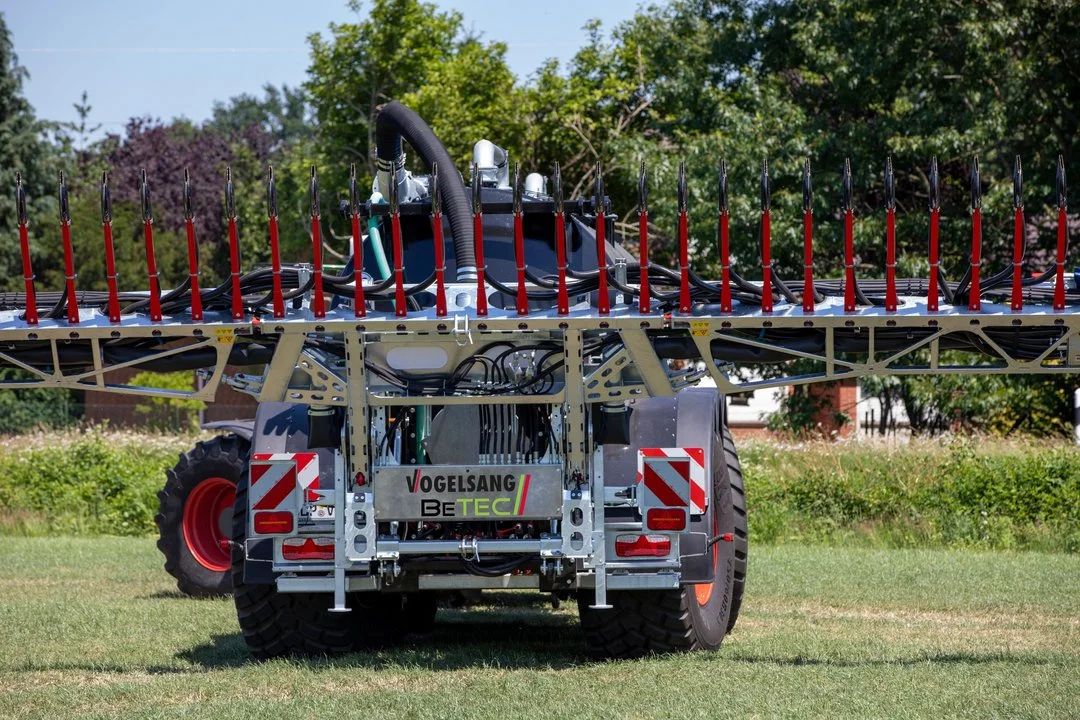
The scheme focuses on grant aiding machinery such as irrigation guns or lay flat piping and pumps, rather than building a reservoir.
Phelan said this is "for good reason" as the costs associated with reservoirs could use up the entire scheme budget on perhaps one or two projects.
"To be fair to the department of agriculture, they're trying to support as many people as they possibly can through that horticultural grant scheme.
"So it probably needs a more infrastructure type fund to try and help these people to do this, because ultimately, it's our food security that's at issue here.
"It probably needs a wider look at governmental level in terms of infrastructure out there for our food security and not to be relying solely on the grant scheme from the department of agriculture to try and fund this," he said.
Solutions
Phelan acknowledged that "it’s not just a straightforward solution whereby you put a reservoir in a certain location", while the infrastructure seen in Europe and the UK may not work here.
"It's how you get that water to and from that reservoir across different farms, different properties, all that type of stuff. A much wider plan has to come into place in all this.
"We need to look at solutions and not making our growers rely on opportunistic locations or fields, just because they happen to be site a relatively good water source.
"Not every field in the country then is going to be, you know, suitable for irrigation and therein suitable for vegetable or potato production.
"A bigger debate needs to be had about how we grow our vegetables in Ireland to make sure that we get the quality and the quantity that we need for our wider population," he said.