Dairy Focus: Dairying with a side of tillage and sheep in Wexford


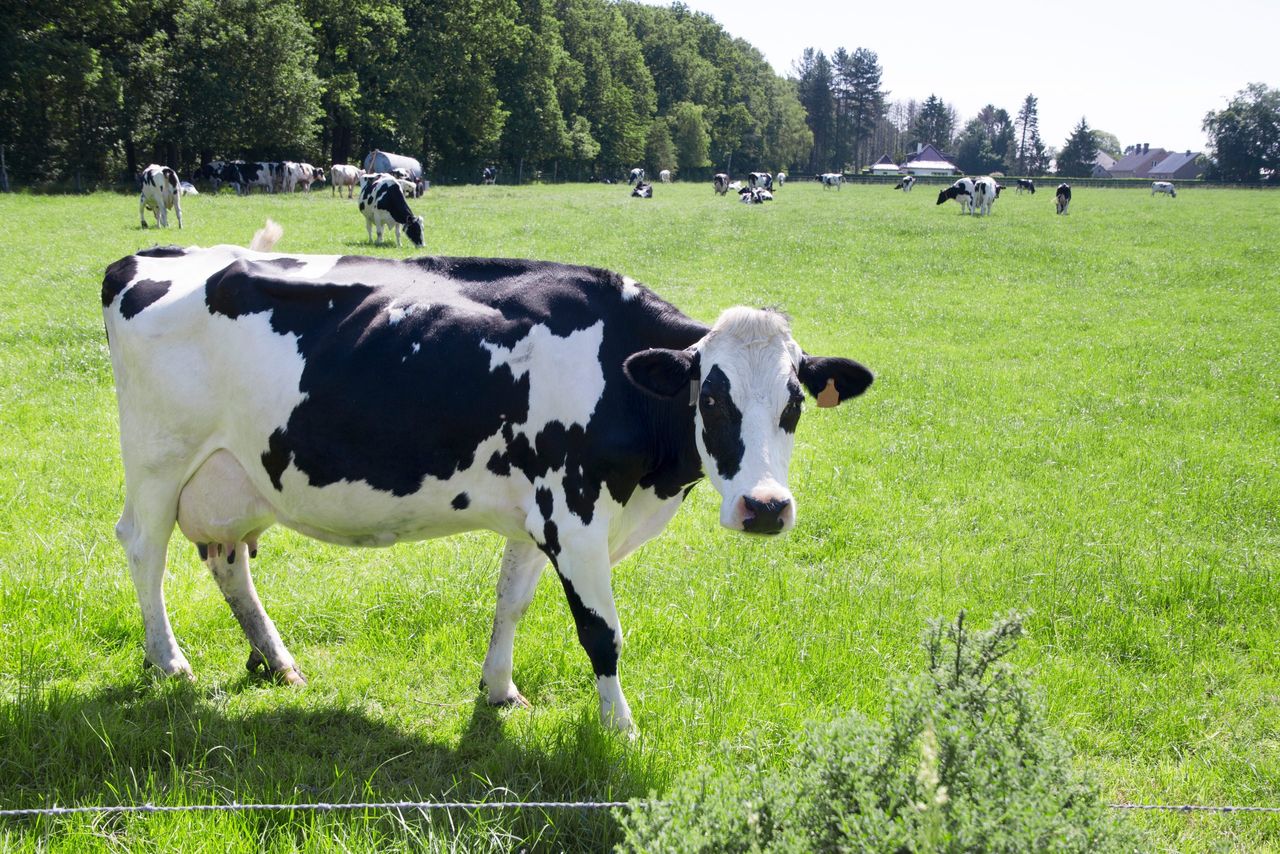
Liam Rochford is milking 152 cows outside Cleariestown in Co. Wexford, but only 58ha of the 160ha block are used for the dairy enterprise.
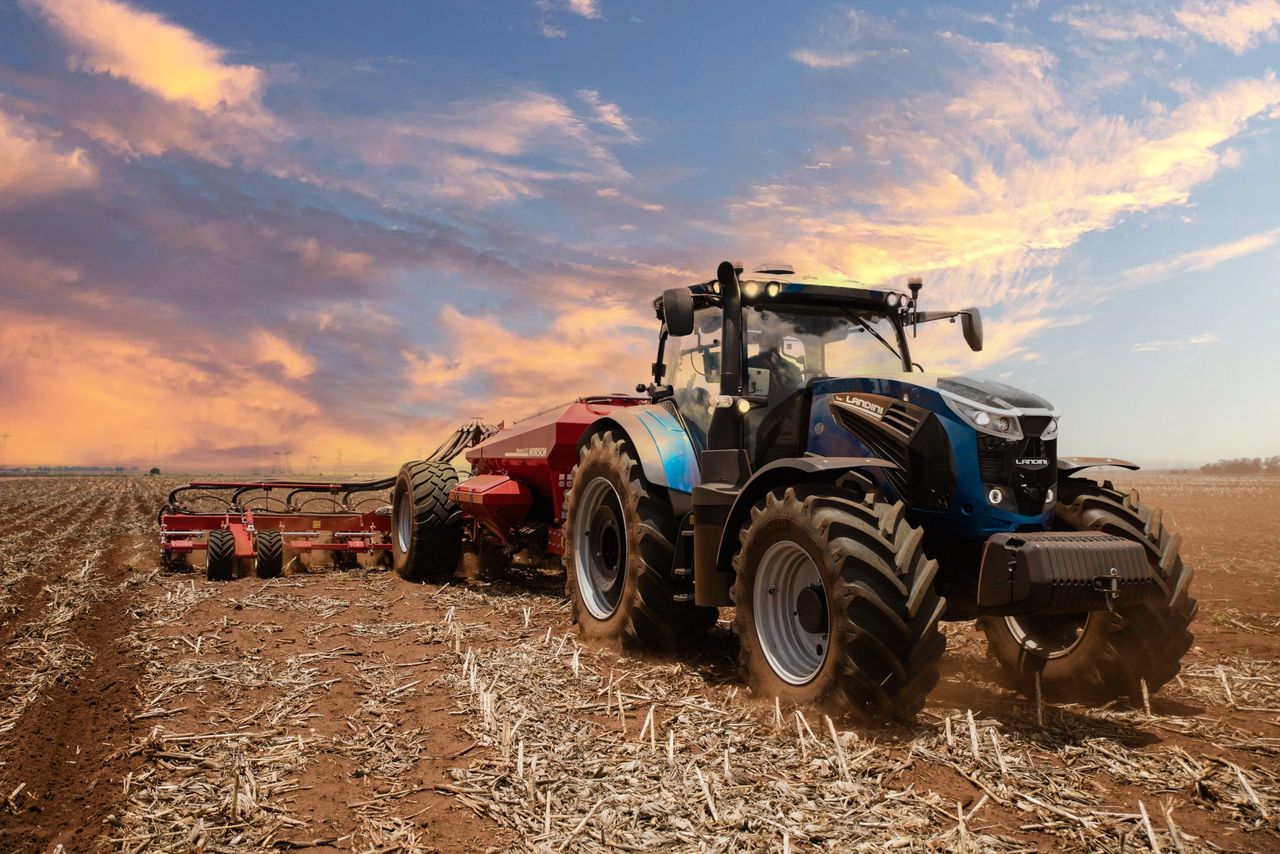
The additional land is used for the usual silage-making and heifer-rearing, as well as land for finisher cattle, store lambs, and even a tillage block.
But at the end of the day, Rochford says "dairy is our bread and butter here".
Dairy enterprise
Dairy was not always the focal point of the farm, but after completing a degree in agricultural science in University College Dublin (UCD), and spending time dairying in New Zealand, Rochford had his eyes set on dairy.
He came home in late 2017 to a dairy farm of 50-odd cows, and went into partnership with his mother Mary and his uncle John.
Fast-forward to 2026, and the farm has tripled in terms of dairy stock, and transformed to a company.
In the final days of September, the herd was producing 18.5L of milk/cow/day, at 4.9% fat and 4.0% protein.
That equates to 1.7kg of milk solids (MS)/cow/day, coming from a grass diet and 2kg meal/day.
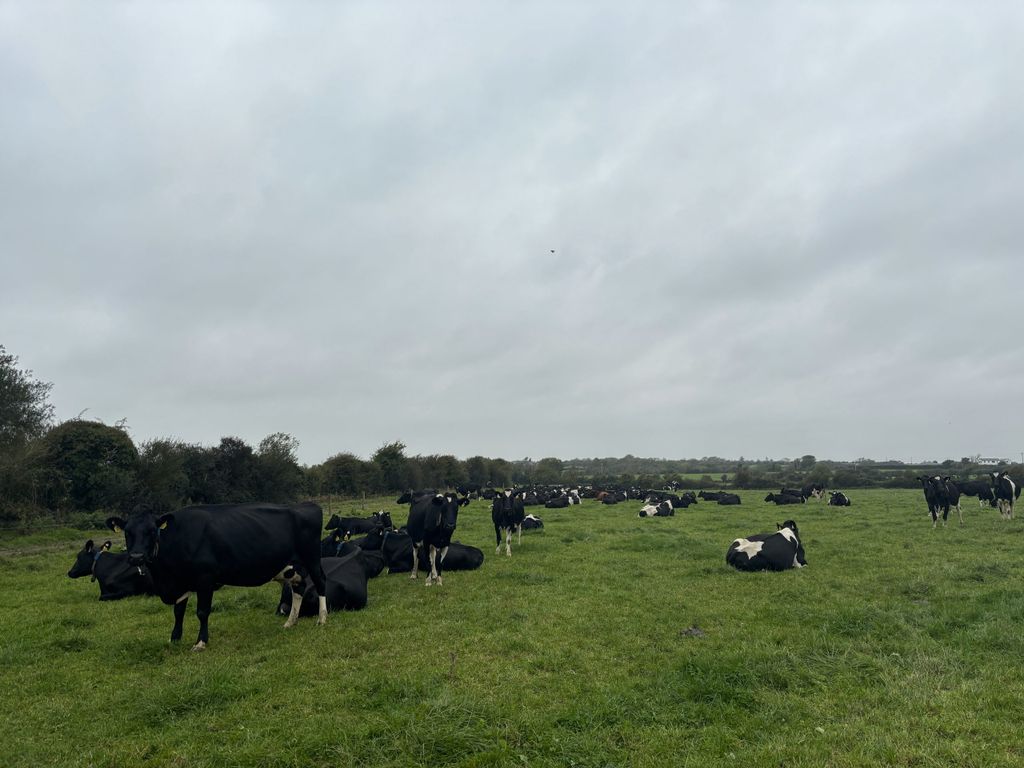
The herd produced from 500kg of MS/cow in 2025 at 4.36% fat and 3.76% protein from 1.2t of meal, a significant increase from the already high performance in 2024, when production stood at 424kg MS/cow at 4.32% fat and 3.58% protein.
This was a result of high quality stockmanship, grassland management, and breeding.
Breeding is strategic on the farm, with the herd's average Economic Breeding Index (EBI) sitting at €181, with a milk sub-index of €31 and a fertility sub-index of €92.
As well as that, Rochford has implemented technology such as heat detection collars, which allowed him to achieve a 86% six-week calving rate this year.
He also managed to achieve a 9% not in-calf rate from this breeding season.
Grassland
Out of all the details of the farm, Rochford's places a real focus on grass production, something which he is clearly doing well, having earned the title of Overall Winner of the 2025 Pasture Progress Awards.
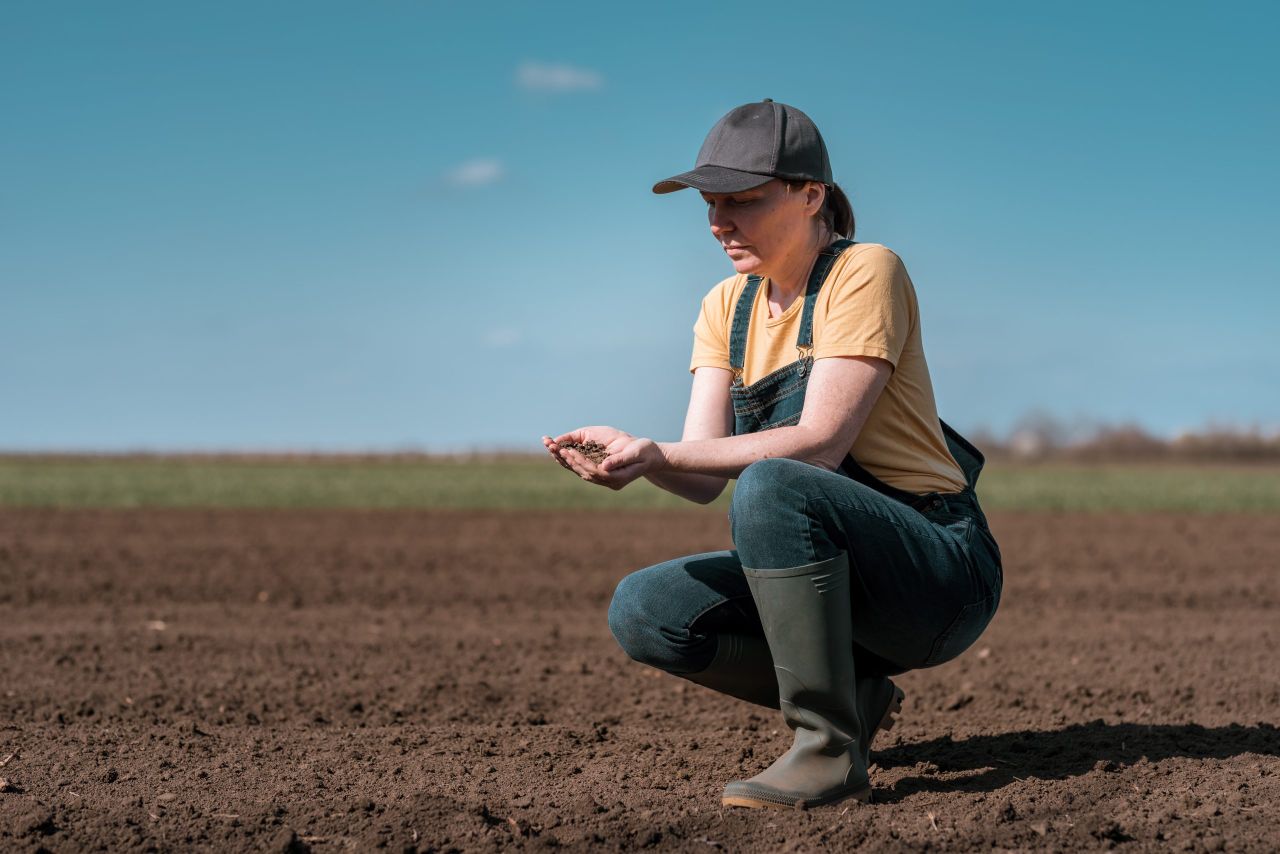
Rochford said the farm is not a simple farm in terms of soil, but stated: "We do our best with the soil type we have."
He noted that grazings done in February and November would typically be considered a bonus on the farm.
Despite this, he manages to keep cows at grass for an average of 260 days per year.
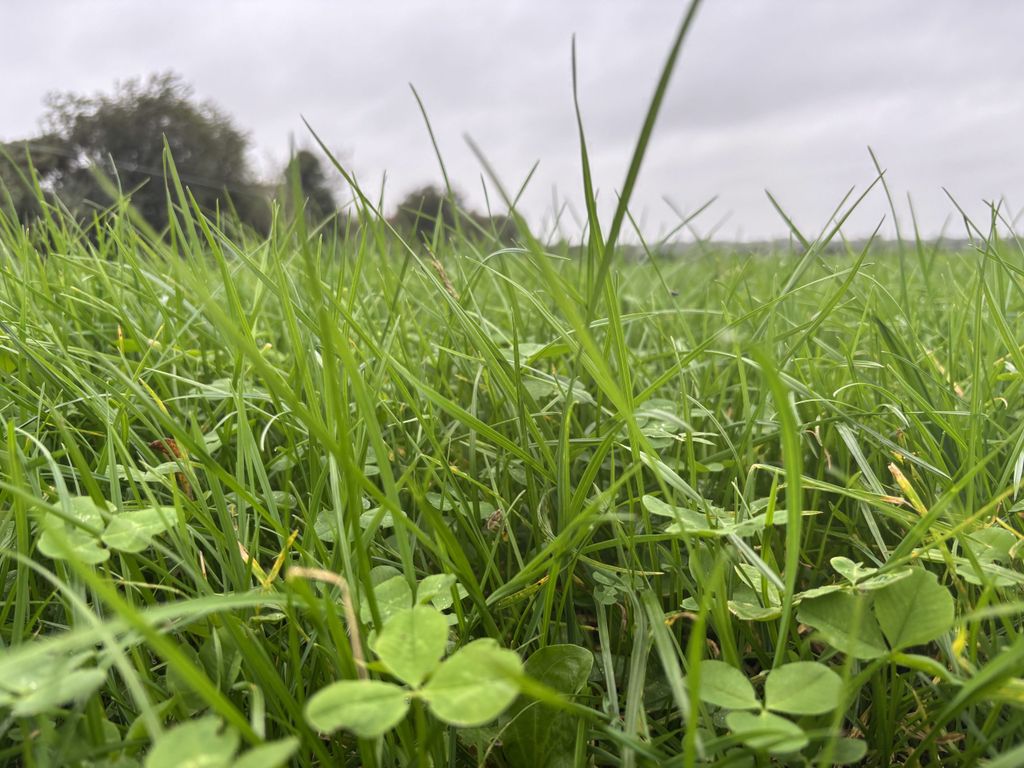
The farm was largely affected by this summer drought, but Rochford has grown 9.9t of dry matter (DM)/ha so far in 2026.
The 56ha milking platform is stocked at 2.62LU/ha, and as of the last days of September was growing 63kg DM/ha.
During the week, the farm was recorded to have an average farm cover (AFC) of 999kg DM/ha, with cows going into pre-grazing yields of approximately 1,600kg DM/ha.
As it stands, Rochford has the rotation length set to 37 days.
He is a keen believer in continuously striding for improvement, which can be seen by looking at his grass performance over the last number of years.
| 2026 (so far) | 2025 | 2024 | 2023 | |
|---|---|---|---|---|
| No. of walks | 33 | 41 | 31 | 22 |
| No. of grazings | 7 | 8.5 | 7.1 | 7.8 |
| Total DM/ha (T) | 9.9 | 11.9 | 11.7 | 11.2 |
| PGY (summer) | 1,378 | 1,428 | 1,184 | 1,648 |
To continue improving these figures, Rochford has invested in soil fertility, reseeding, and grazing infrastructure.
He has at least two gaps to each paddock and utilises methods such as strip grazing and technology to get cows out in the shoulders.
As well as that, the continuous grass walks allows him to make pro-active decisions, allowing him to utilise his grass better.
Soil fertility and reseeding
As it stands, the milking platform is 76% optimal for pH, 65% optimal for phosphorus (P), and 72% optimal for potassium (K).
But Rochford continues to strive for improvement, carrying out soil testing every second year and acting on the results through targeted fertiliser, slurry, and lime applications.
In doing so, he has has success with clover establishment and persistency, which has improved his nitrogen use efficiency to 42%.
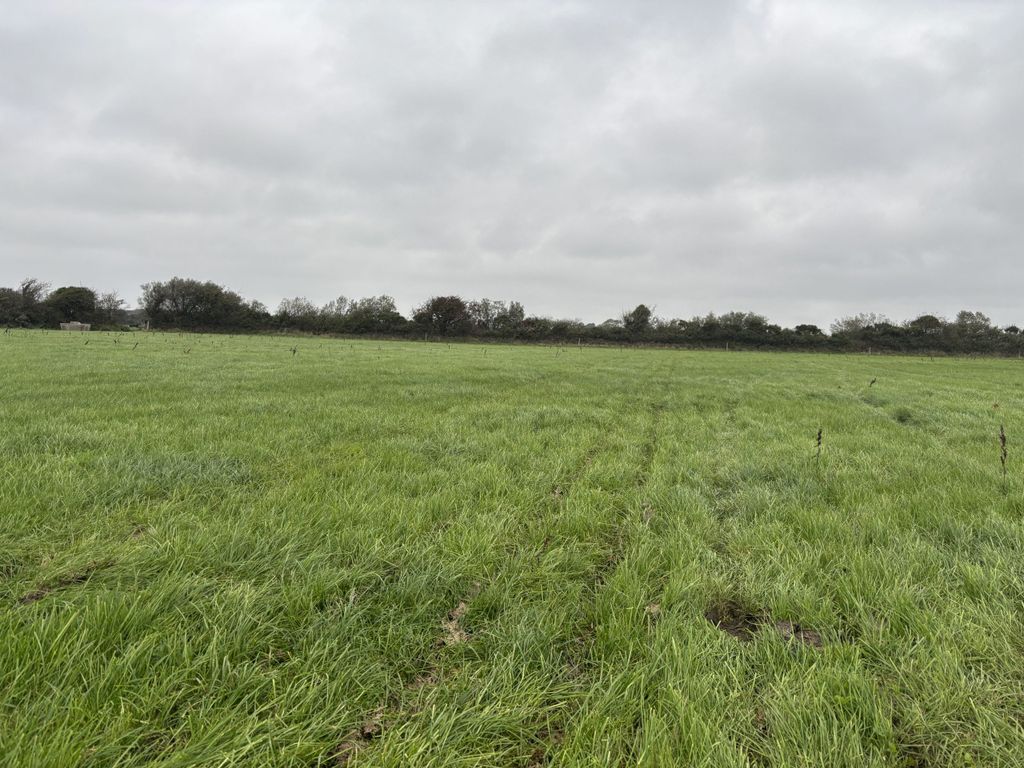
Rochford aims to reseed 10% of the platform annually, although a portion of that includes crop rotation with the tillage portion of the farm.
He favours spring reseeds, stating that the conditions "are going with you rather than against you", and is open to different methods, be it be ploughing, direct drilling, or discing, depending on the paddock.
His preferred mix is the Tipperary 4A, although he uses a number of different mixes, going in with 14kg/ac.
He said: "You will always find a reason not to reseed, whether it be grass availability, labour, cash flow, or the weather", but added he still makes it a priority to get 10% of the platform reseeded.
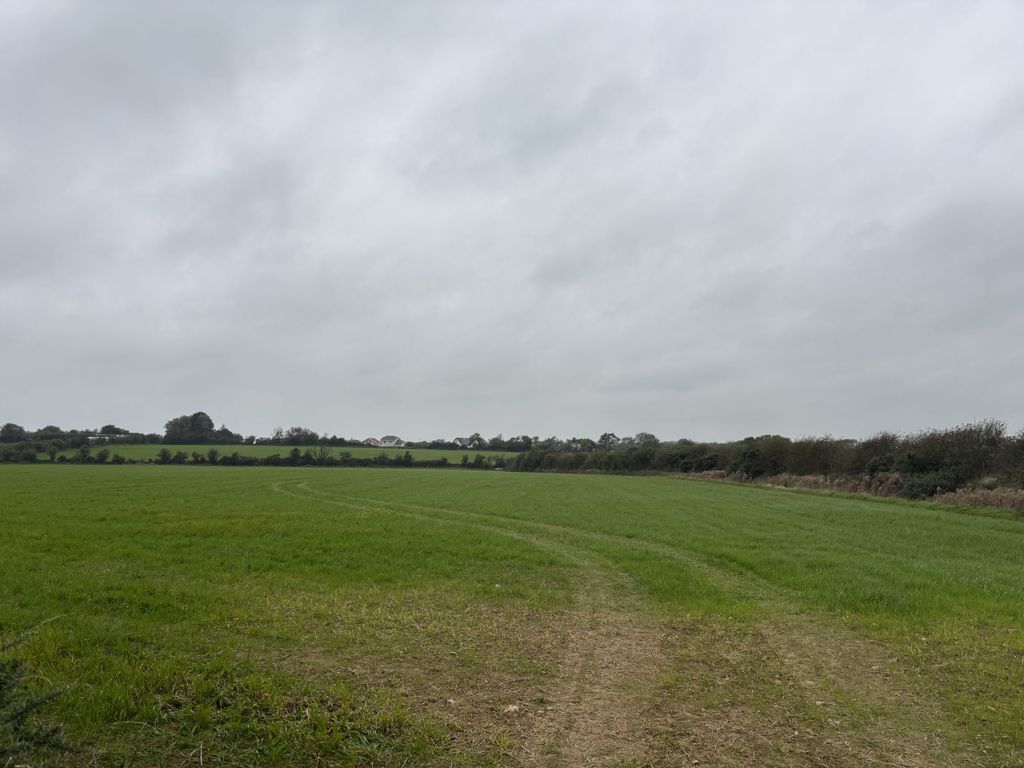
Rochford noted that clover has always being incorporated in reseeds, but can be difficult to manage with their heavy soil, especially if there is high covers over the winter.
He noted how it has allowed him to reduce fertiliser, and was a "saviour" during the drought.
He has not had issues with bloat, but does use bloat oil and strip fencing in high content pastures.
Rochford also tried red clover for the first time this year, again finding the crop great in the drought.