Commission urged to postpone CBAM for fertilisers as implementation nears

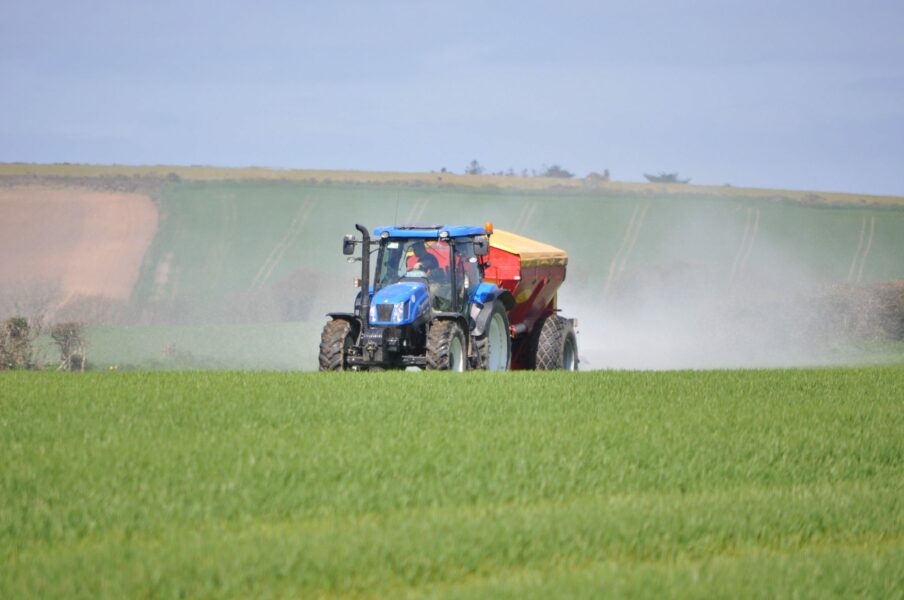
The Irish Co-operative Organisation Society (ICOS) has repeated its call on the European Commission to postpone the introduction of the Carbon Border Adjustment Mechanism (CBAM) for fertiliser.
ICOS said it remains "deeply concerned" about the CBAM and its implications for the availability and cost of fertiliser in 2026.
It is due to come into effect from the start of 2026.
ICOS said it has written in the last few days to the European Commissioner for Agriculture and Food, Christophe Hansen on the matter.
Additionally, a joint letter of concern by ICOS, the Irish Farmers' Association, the Irish Fertiliser Manufacturing and Blenders Association and the Acorn Group was presented to Ireland’s EU Commissioner Michael McGrath.
The joint letter outlines the "significant legislative flaws and implementation issues" associated with the CBAM levy and also calls for its postponement, ICOS said.
'Major risk'
ICOS has described the CBAM as a "major risk to securing access to sufficient fertiliser at competitive prices, which is essential to support Ireland’s livestock and tillage farmers, safeguard crop yields, and maintain food security".
Damien O'Reilly, EU affairs and communications manager of ICOS, said: “According to the CSO, fertiliser costs have risen by 15% year-on-year in 2025 and Teagasc estimates that CBAM will increase fertiliser costs for Irish grassland and tillage farmers by a further 10% in 2026.
"Of note, the CBAM cost will increase incrementally over the next eight years.
"These price rises come at a time of significant market volatility affecting Irish agriculture.
"We are operating in a complete vacuum of information.
"Due to the many uncertainties surrounding compliance and financial risk, we understand that CBAM is causing significant disruption to fertiliser supplies ahead of spring 2026."
Further pressure
O'Reilly said that while there are ongoing discussions aimed at resolving these matters, the retention of retrospective pricing within the formula "makes it impossible for importers and retailers to operate a just-in-time model to accurately set fertiliser price".
“The introduction of CBAM will add further pressure to food production costs and disproportionately affect the availability of protected urea compared to other nitrogen sources, completely undermining climate policy objectives that all stakeholders in Ireland have committed to," he continued.
"We remain extremely concerned about the implications for trade distortion on the island of Ireland due to the lack of alignment between the UK and the EU on CBAM."
He said ICOS strongly believes that "all the elements are in place to fully justify" the postponement of the CBAM for fertiliser.
"This will enable additional time to review the implications of CBAM on the fertiliser market in the EU and ensure alignment on the Island of Ireland," he added.