Clearer details about Northern Ireland’s bluetongue outbreak
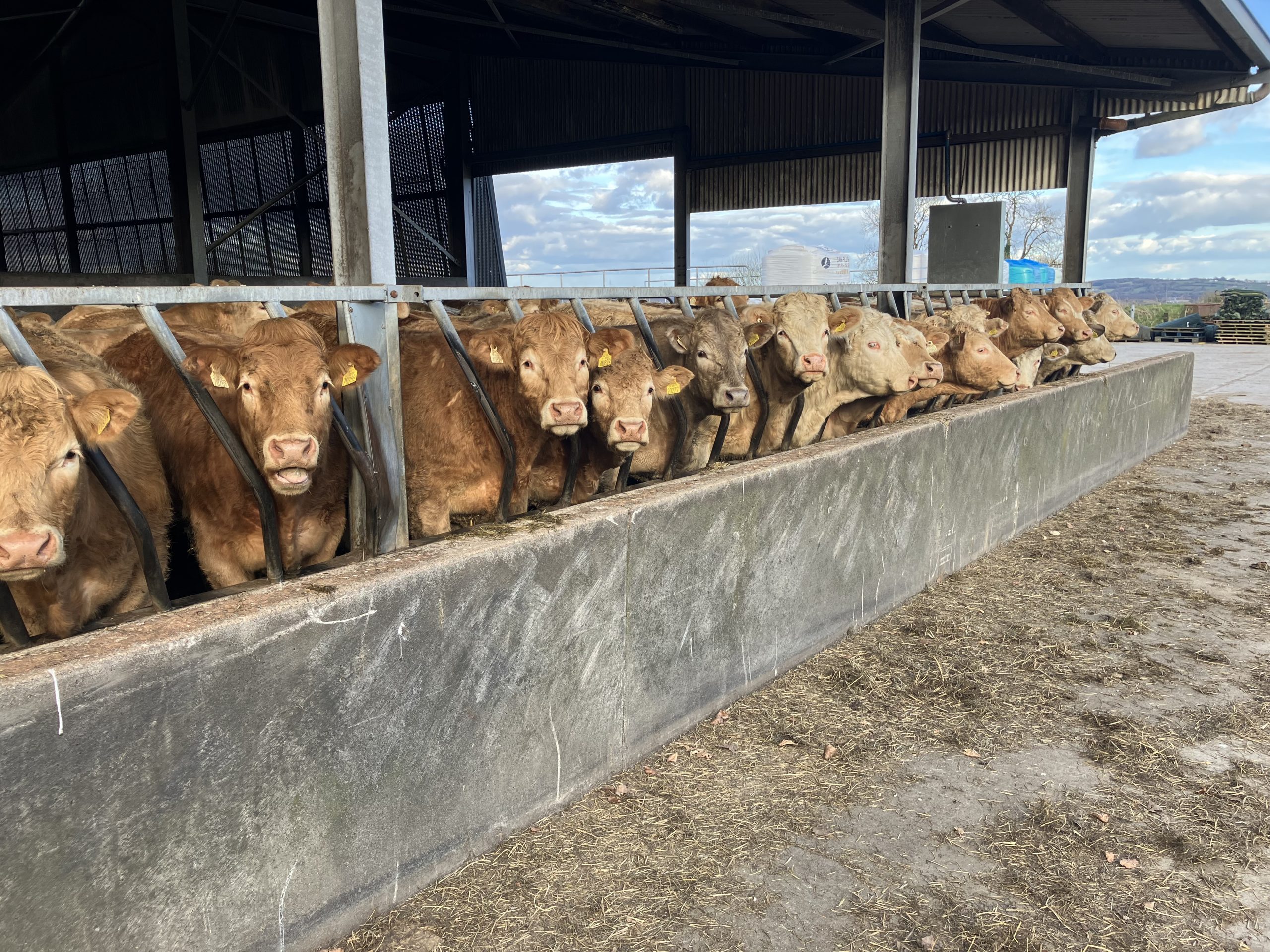
Farmers across Northern Ireland have criticised the Department of Agriculture, Environment and Rural Affairs (DAERA) and Minister Andrew Muir for their slow release of information regarding the recent bluetongue outbreak.
Since the initial ‘official’ notification of the disease to the public on November 29, farmers have been eager to know more about how movement restrictions will affect them, now and into the future.
However, the flow of clear information from the department has been very slow, increasing farmers’ frustration and generating many debates on social media.
Details like how many cattle and sheep are restricted within the TZCs (Temporary Control Zones), how many tests are being carried out, and what potential further movement restrictions could be introduced.
After over one week of presenting several questions to DAERA, with the goal of making the situation easier to understand, the department has finally released more information.
Information on bluetongue
There has been some debate on what were the actual dates of the first two cattle from Clandeboye Estate being slaughtered, tested and when the results were known.
DAERA has stated: “Cattle are tested at slaughter, as part of an established disease surveillance programme. For bluetongue, the design of the study was targeted to detect BTV [bluetongue virus] disease incursion within herds in easterly areas of Northern Ireland.
“In this case sample positive results were reported from animals from the same holding, which were slaughtered on November 18, 2025. The samples from the animals were tested on November 28, 2025.
“Results received within target timeframes for routine surveillance programme.”
There are now two TCZs in place in Northern Ireland since the detection of another case in Greyabbey, Co. Down.
However, there have been no details up to this point of how many farms and how many livestock are in those TCZs and are under movement restrictions.
DAERA said: “There are approximately 1,100 cattle herds registered in the TCZs and approximately 980 sheep flocks. With respect to individual animal numbers, there are approximately 113,000 cattle and approximately 153,000 sheep.”
The department was asked if it is testing all types of animals that can be affected by bluetongue, such as dairy cattle, beef cattle, sheep and wild deer.
DAERA responded: “Active surveillance is underway in the TCZs and is mainly targeted at cattle herds.”
As yet, there are no physical symptoms showing on cattle tested for bluetongue. DAERA added: “To date, all test positive animals have been asymptomatic and detected as part of DAERA’s active surveillance programme.”
With regard to calls for the department to be more clear and faster at releasing information, DAERA stated: “DAERA has kept farmers in the TCZs informed of the latest restrictions via text, email and letter and through stakeholder engagement with Ulster Farmers’ Union (UFU), Northern Ireland Agriculture Producers Association (NIAPA) and local private veterinary practices.
“A special webpage has been updated with the latest information and FAQs [frequently asked questions], including on livestock moves, export requirements and rules on moving animal products and updates posted on social media.
“Most recently, there has been engagement and press releases on plans to allow some animal movements following consultation in recent days with GB authorities and stakeholders as well as an update on a new suspected case.
“Further updates as regards next steps will be provided as the initial surveillance phase within the TCZ nears a conclusion."
The department added that it has consistently advised farmers to discuss concerns in respect of bluetongue with their private veterinary practitioner (PVP).
“A commercial vaccine is available for use in Northern Ireland and can be obtained from your PVP, under a licence, issued by DAERA.”
The department was further asked if it anticipates a Northern Ireland lockdown of livestock movements, to which it replied: “Normal movements of livestock are permitted in the areas outside the TCZs.
“Please see press release issued on plans to allow some animal movements from outside the TCZs to Great Britain, and for these moves there are no additional requirements beyond those normally in place.
“Further steps will be announced to permit safe trade, as appropriate, in line with the assurance provided of ongoing surveillance, in the coming days.”