Sponsored
Clare FutureBeef farmer to showcase suckler breeding at national farm walk

Sponsored by

Farmers will have the opportunity to see a practical and progressive suckler-to-beef system in action when Future Beef farmer James Skehan opens his farm gate for a Teagasc Future Beef National farm walk on Friday, September 4 at 6:00p.m.
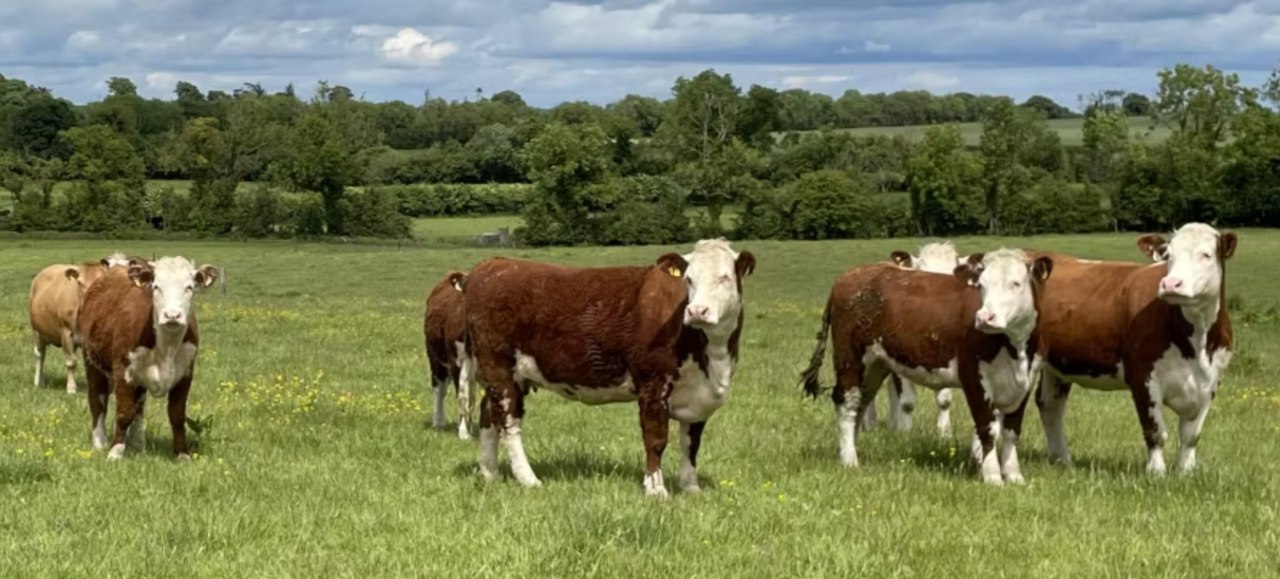
Based near Bridgetown, Killaloe, Co. Clare, James along with his wife Joanne, children Nelly and Macarton, and his father Batt operates a 27 cow/calf pairs spring-calving suckler herd on 100ac alongside his full-time off-farm employment.
This farm is a good example of how careful planning, efficient grassland management and a focus on labour can help make a beef enterprise work successfully on a part-time basis.
James will explain how he has increased beef output and margins on the farm over the past three years.
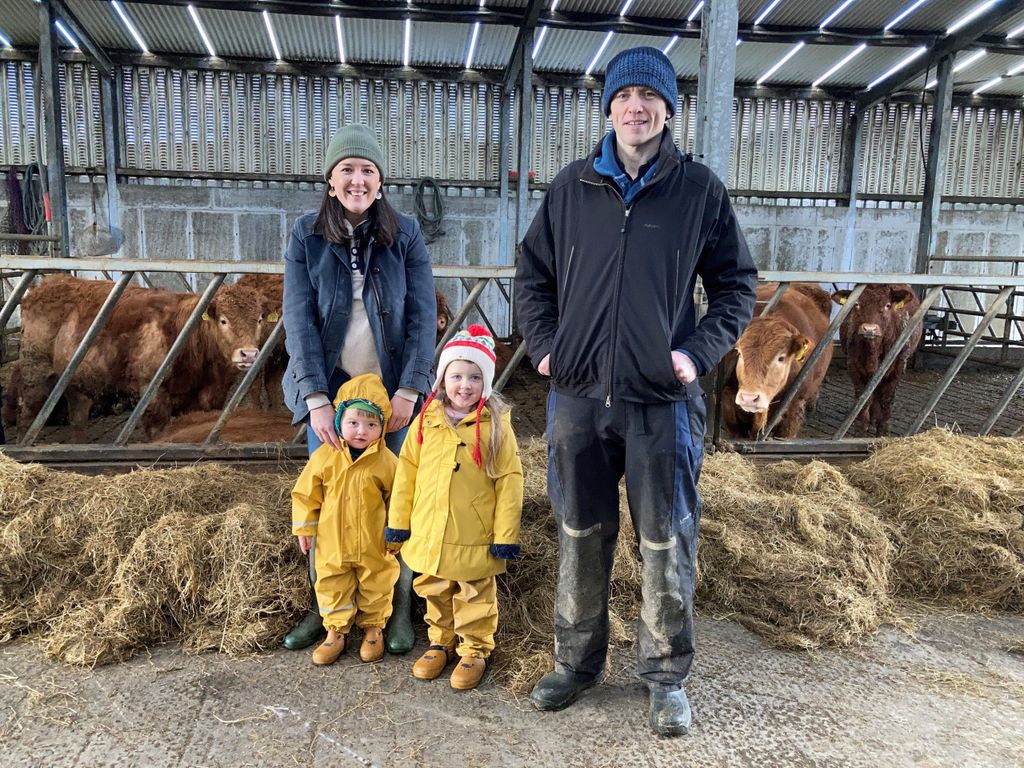
As part of the Teagasc Future Beef Programme, James has been working closely with his Teagasc adviser Tom Gleeson and the wider Future Beef team to identify areas where improvements can be made on the farm.
The focus is firmly on producing quality beef efficiently, while also improving the overall profitability and sustainability of the enterprise.
Making the most of a part-time farm
One of the key attractions of James’s farm is the practical approach taken to managing the suckler herd while working off farm.
With labour one of the biggest challenges facing many beef farmers, James has focused on developing a system that can be managed efficiently.
Good organisation, grassland infrastructure and breeding management all play an important role in reducing the amount of time required for routine tasks.
This farm walk will provide farmers with an opportunity to see how these decisions work in practice and to discuss the challenges involved James has overcome balancing an off-farm job with a suckler enterprise.
Focus on breeding performance
Breeding performance is another important part of the system in which James is hitting the key performance indicators, with a calf/cow/year, over 80% of the cows calving in six weeks, 100% heifers are calving 22-26 month and a calving interval of under 365 days.
James has placed a strong emphasis on using artificial insemination (AI) to improve the genetic merit of the herd while also tightening the calving pattern.
This year, 60% of the calves were born from AI sires, while the herd also achieved a strong first-service conception rate.
James has been using a synchronisation protocol for breeding the last few years for both cows and heifers.
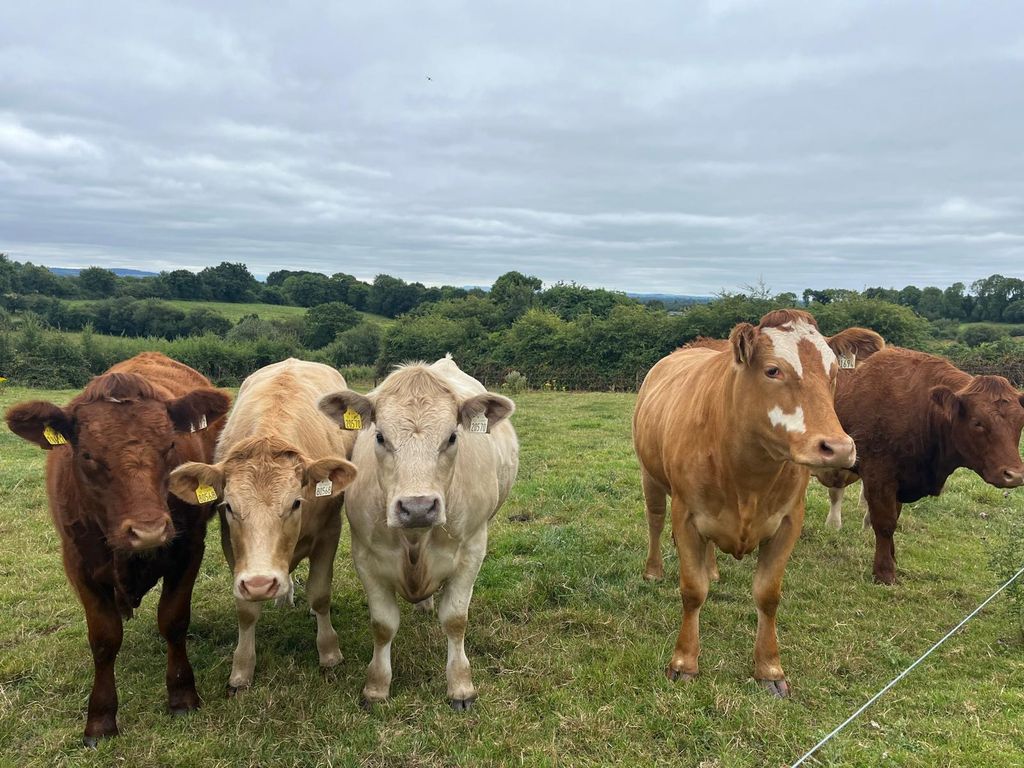
This year’s calving season started the first week of February and finished the first week of April.
To facilitate this tight calving spread James opted to synchronise both cows and heifers for this year’s breeding season.
The cow’s synchronisation plan cost €30 per cow and the heifers plan cost €33 each per heifer.
Eight out of the nine heifers kept to the first round of AI and 15 out of 25 cows kept to the first round of AI.
The Limousin stock bull picked up the repeats in the cows and the heifer that repeated was AI’d a second time.
A compact calving season has significant benefits for a spring-calving herd.
It allows groups of calves to be managed more efficiently and makes it easier to match the cows’ nutritional requirements with grass availability during the grazing season.
Farmers attending the event will have the opportunity to hear directly from James about his breeding strategy, how he manages AI while working off farm and the practical lessons learned from the breeding season
From weanlings to finishing cattle
A major area of discussion will be James’s approach to finishing cattle.
The farm has traditionally operated a suckler-to-weanling system, but James is now examining the potential to finish more of the cattle produced on the farm.
Finishing cattle requires additional investment in feed, housing and time, but it also provides an opportunity to capture more of the value generated within the enterprise.
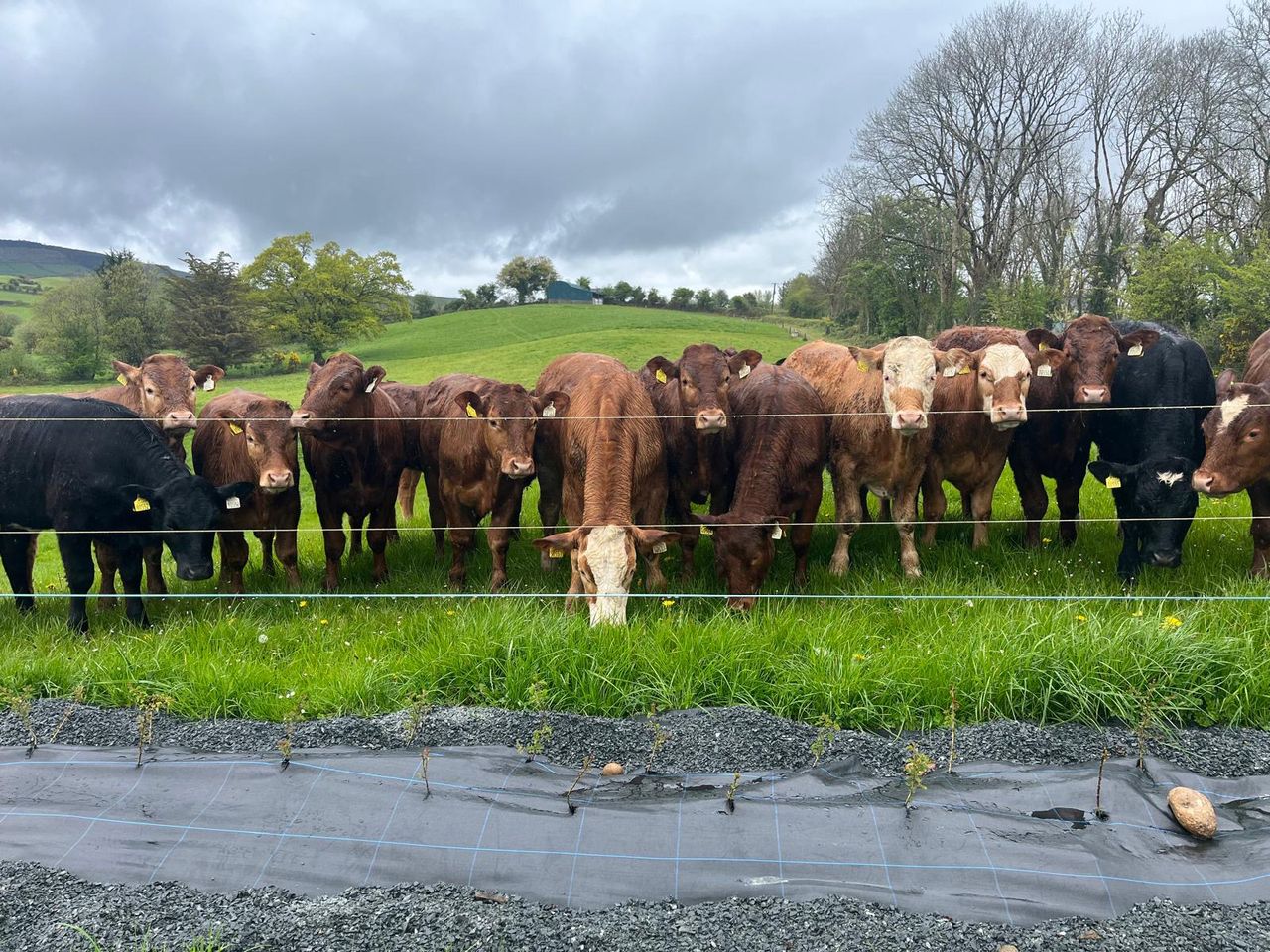
The performance of the 2025-born steers will be closely examined during the farm walk.
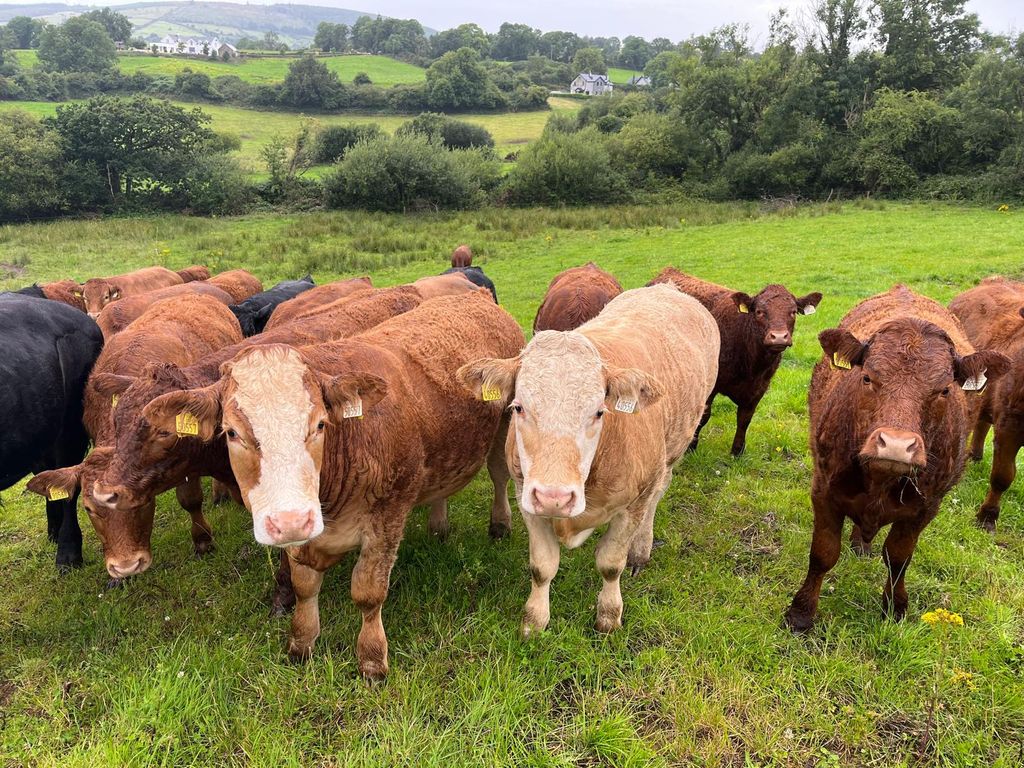
They weighed on average of 492kg on July 22. Cattle over 450 kilos were separated and had 3kg of meal added to their daily diet.
At the farm walk, James is assessing whether the cattle will deliver a better return by being finished on farm or sold live.
This is a decision that will be made based on cattle performance, feed costs, expected kill-out and the prevailing beef price.
This practical approach to decision-making will be particularly relevant to farmers considering whether finishing cattle could work within their own system.
Grassland
Grassland management is another key focus on the farm.
Maximising the amount of high-quality grass utilised by the herd is central to keeping production costs under control.
James has invested significantly in grazing infrastructure and roadways to make better utilisation of grass. The farm is broken into three-day paddocks.
Soil fertility, fertiliser use and the incorporation of crops such as red clover will form part of the wider discussion around improving nutrient efficiency and sustainability on the evening.
These are practical issues facing beef farmers across the country, particularly with fertiliser and feed costs continuing to have a major influence on margins.
Sustainability
Sustainability is looked at from an environmental, Labour and financial perspective.
The farm needs to work with, not against off farm employment.
The farm needs to pay for itself and yield a return for effort.
The farm also needs to be in a better condition for the next generation.
There is a focus on water quality, biodiversity (in the Agri-Climate Rural Environment Scheme (ACRES) and hedge planting), soil health, and reducing greenhouse gases and ammonia emissions.
Come and see the system for yourself
The Future Beef programme is designed to demonstrate technologies and management practices that can be applied on commercial farms, and James’s farm provides an excellent example of this.
The farm walk will give visitors the opportunity to look at the complete system - from breeding and calving through to grazing, cattle performance and finishing decisions.
There will also be an opportunity for farmers to ask questions directly to James and the Teagasc team and to discuss how some of the approaches being used on the farm could be adapted to their own farms.
For farmers operating a suckler herd, particularly those balancing farming with off-farm employment, this is a great opportunity to see first-hand how a focused and efficient system can be developed.
Come along to James Skehan’s farm in Killaloe, Co. Clare V94VW1H on Friday, September 4 at 6:00p.m.
Sponsored by