Can Ireland reach climate neutrality while boosting protein output?


A new study has mapped how changes across agriculture could help Ireland achieve climate neutrality by 2050, while also increasing protein and renewable energy production.
The 'Unlocking Ireland’s Bioeconomy: A 2050 National Strategic Foresight Report', developed through the InformBio research project, compares a bioeconomy-focused pathway with a 'business as usual' scenario for Ireland’s agriculture, forestry and other land use sectors.
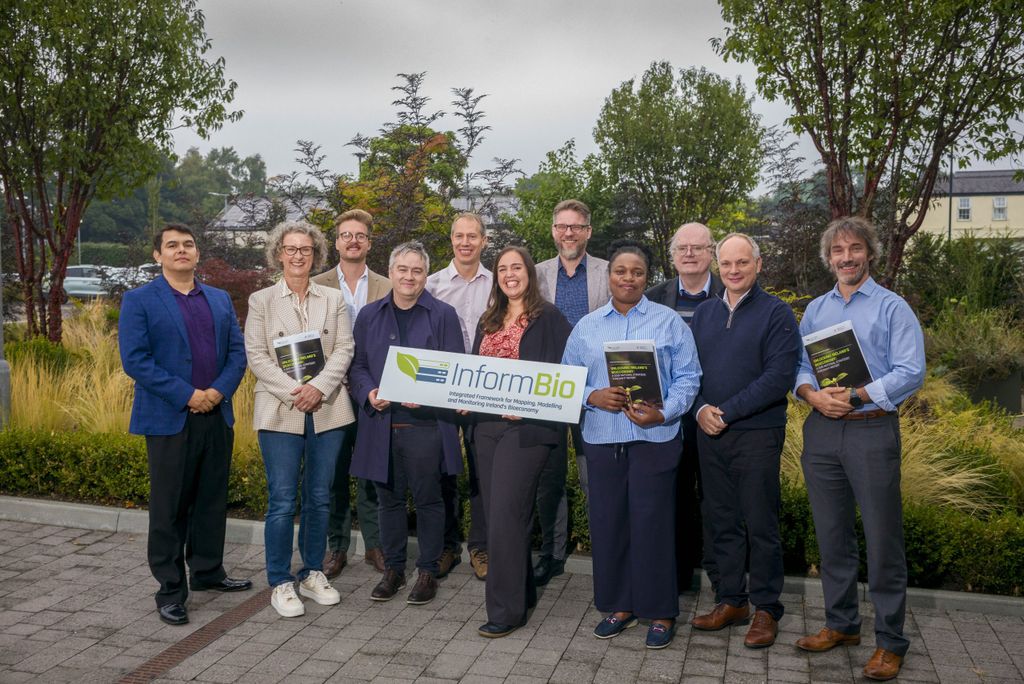
InformBio is led by Munster Technological University (MTU) in partnership with the University of Galway, Teagasc and the Central Statistics Office (CSO), and is funded by the Department of Agriculture, Food and the Marine (DAFM).
The bioeconomy uses renewable biological resources, such as grass, crops, forestry resources and organic by-products, to produce food, energy, materials and other products.
Under business as usual, net emissions from agriculture, forestry and land use are projected to rise to almost 30 million tonnes of CO2 equivalent by 2050.
By contrast, the bioeconomy pathway achieves climate neutrality through a combination of emissions reductions, changes in land use and carbon removals.
The pathway includes increased afforestation, peatland rewetting, expanded protein crop production, grass biorefineries, biomethane and new uses for biomass.
Protein output
At the same time, total protein output could increase by 47%, through increased milk and crop protein and protein produced from grass through biorefineries.
Domestic bioenergy production could increases almost five-fold.
Researchers said this pathway was also found to be more resilient to future climate, market and economic shocks than business as usual.
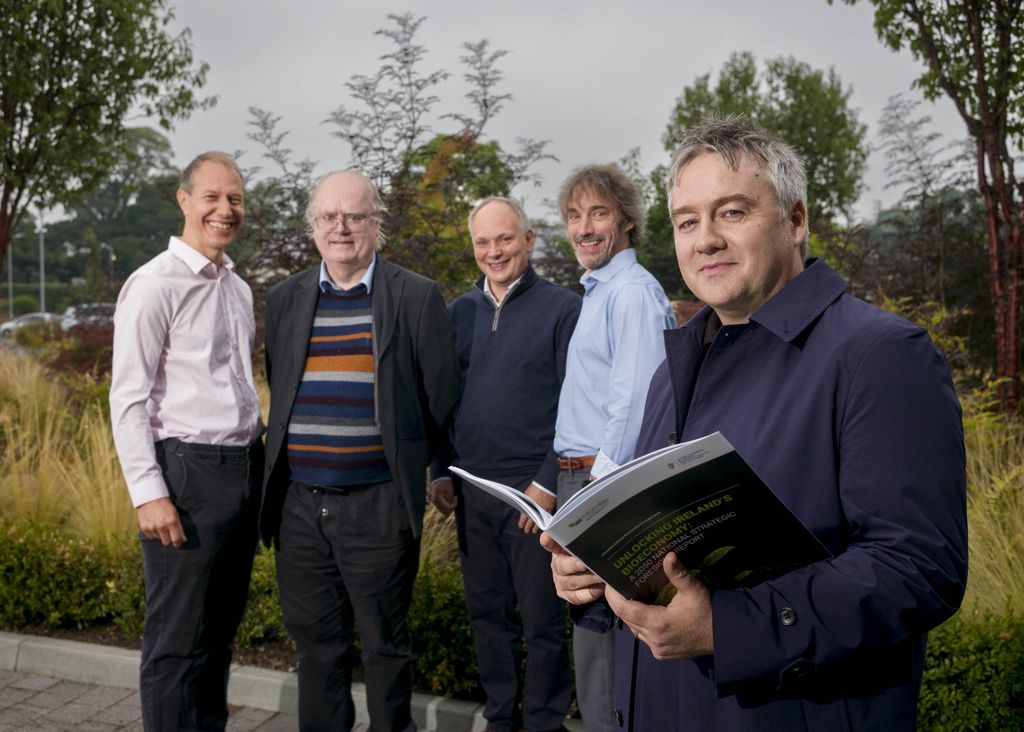
Co-director of the Circular Bioeconomy Research Group (CircBio) at MTU, James Gaffey said that "achieving climate neutrality does not have to mean choosing between environmental sustainability and productive land use".
"Our research shows that significant reductions in environmental impacts can be achieved while increasing Ireland’s production of protein and renewable energy," Gaffey said.
"This will require changes across agriculture, forestry and land use, alongside the development of new bio-based industries.
"While that transition carries risks, our analysis shows that continuing with business as usual carries considerably greater long-term risks."
Monitoring
Professor in agricultural sustainability at University of Galway, David Styles said that a business as usual approach would "leave agriculture, forestry and land use increasingly exposed to regulatory, market, trade and climate risks".
"Diversifying the bioeconomy provides a route towards climate neutrality while continuing to provide the food, energy and materials society needs," he said.
Alongside the foresight study, InformBio has developed a new Bioeconomy Monitoring Framework to help track Ireland’s transition towards a circular bioeconomy.
This is structured around the pillars of Ireland’s Bioeconomy Strategy and incorporates environmental, social and economic indicators.
Teagasc senior researcher Réamonn Fealy added: "If Ireland is to realise the potential of the bioeconomy, we need to be able to measure how it is developing".