CEJA: 'Generational renewal is never a result of one grant'
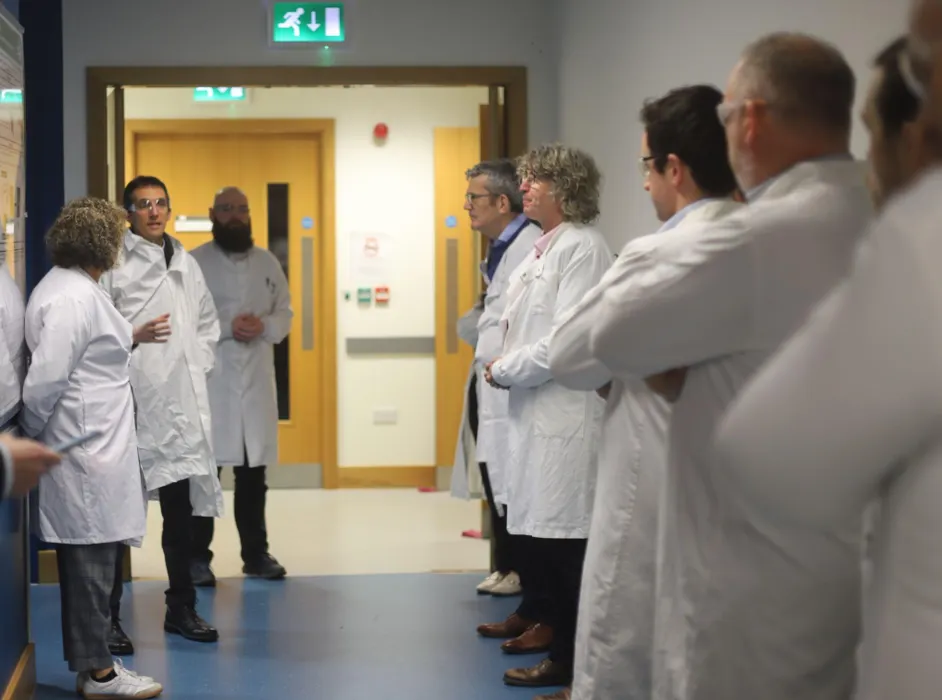
Countries that succeed in generational renewal in farming do not rely on one flagship measure, they build an "ecosystem", according to CEJA.
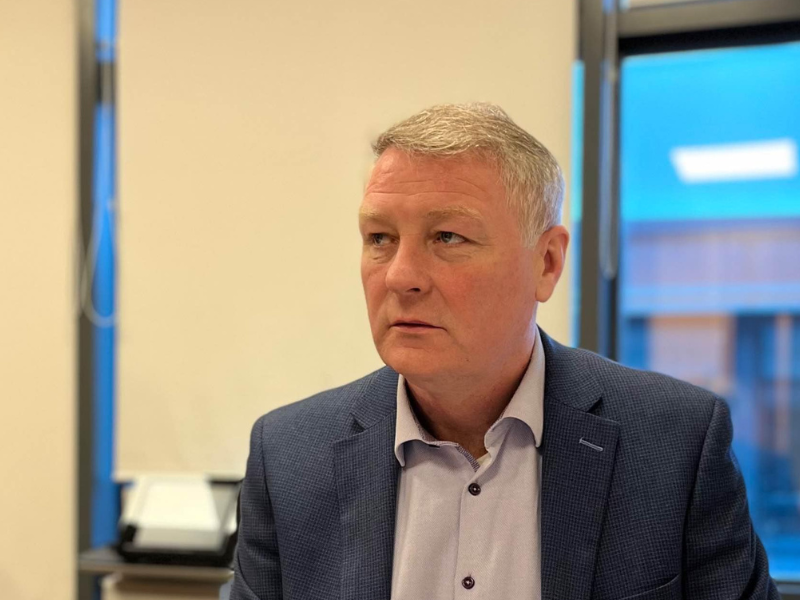
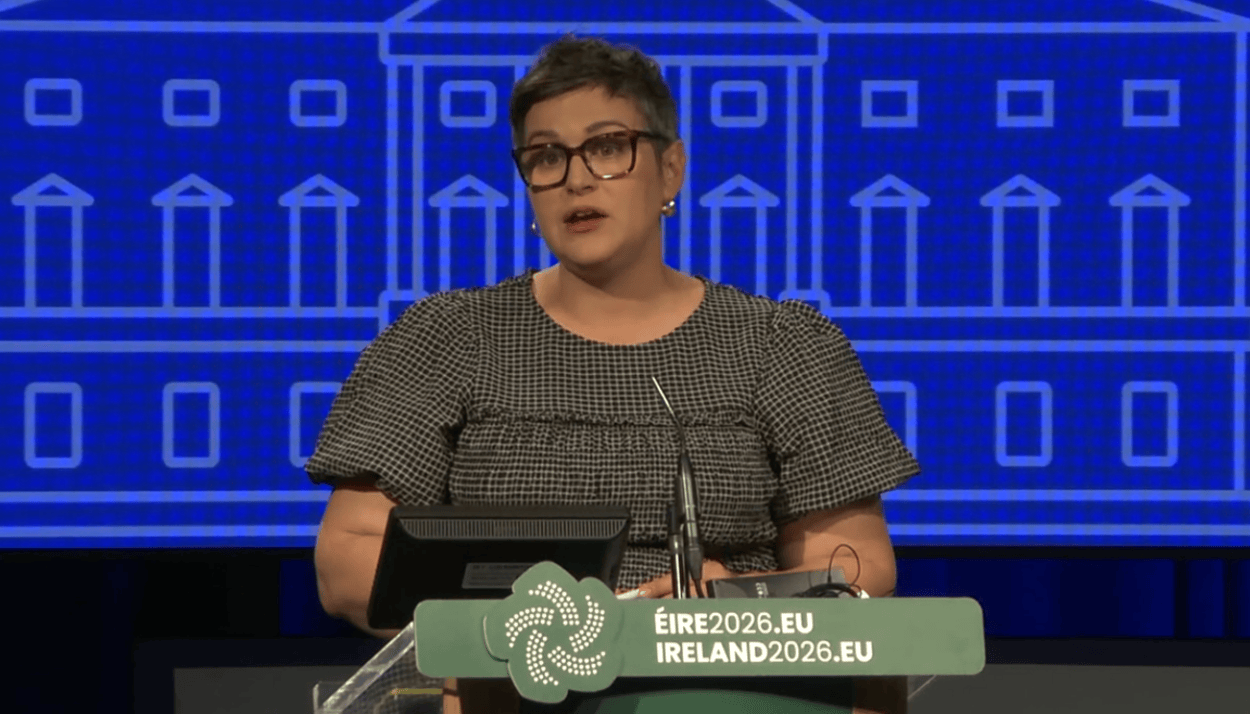
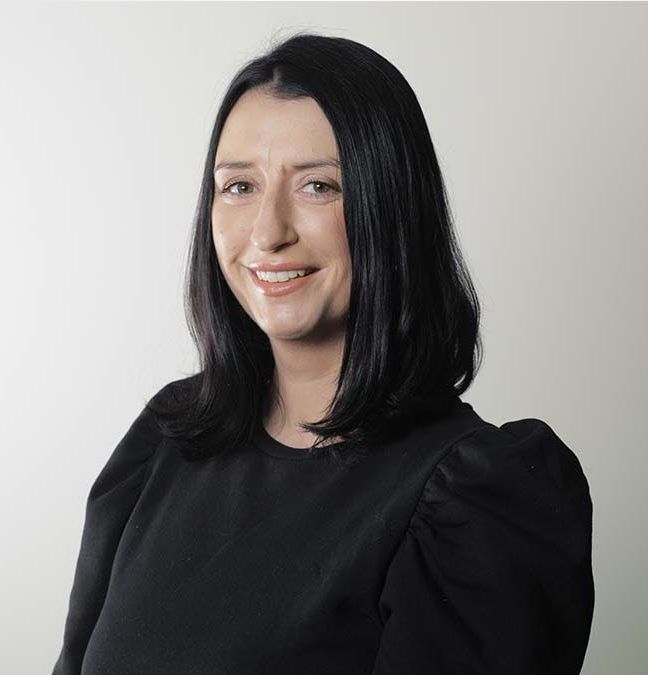
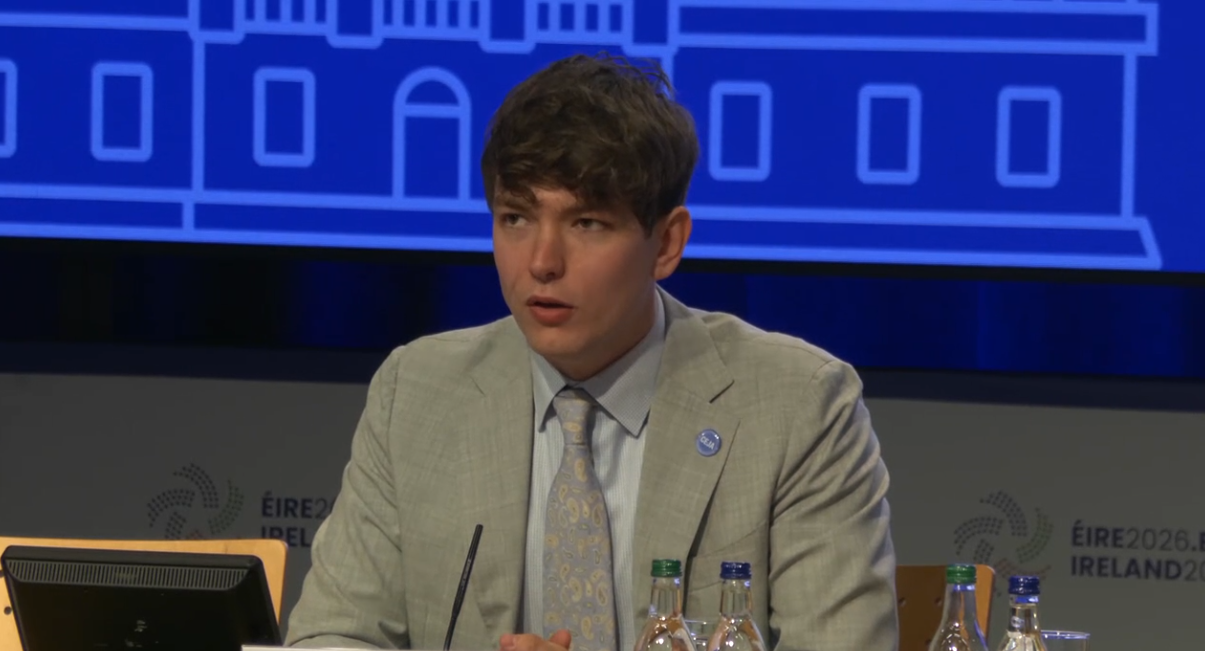
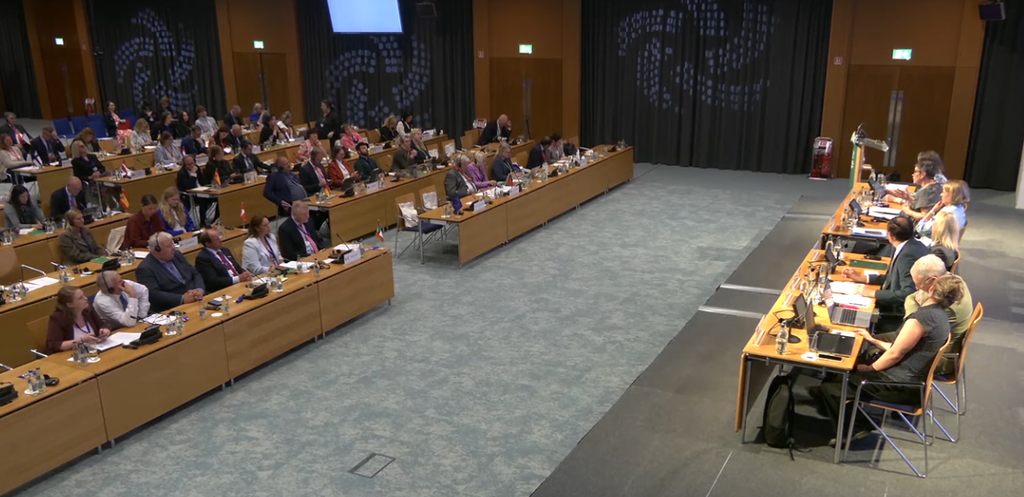
Peter Meedendorp, president of the European Council of Farmers (CEJA), was speaking at the Interparliamentary Conference on Securing the Future of Farming in Dublin today (Monday, July 27).
The event, hosted by the Joint Oireachtas Committee on Agriculture and Food, is part of Ireland’s Presidency of the Council of the European Union.
CEJA
The conference heard that only around 12% of European farmers are under the age of 40, while the average age of farmer continues to increase.
Meedendorp said that every year, "farms disappear across the Union and rural areas keep losing populations".
"Behind these numbers could have been a young person who is willing to farm.
"Someone with knowledge, with ambition, with entrepreneurial spirit and willingness to invest. Yet too often, there was no opportunity," he said.
The CEJA president said an important question is if we are creating the conditions to allow young farmers to succeed.
"Countries that succeed in renewing their farming population do not rely on one flagship measure. They build an ecosystem.
"Generational renewal is never a result of one grant or one payment. It's the outcome of a coherent public policy," he added.
Land
Meedendorp said that across Europe access to land has become one of the greatest barriers to entering farming.
"Where countries perform better, they do not simply leave these challenges over up to the markets.
"They develop land mobility schemes, encourage intergenerational farming transfers, facilitate succession planning, support first-generation entrants.
"More generally, they improve transparency in their land markets.
"Irish young farmers are considered one of the front runners when it comes to this, as their land mobility service continues to be one of the most referred good practices across Europe," he said.
As young farmers invest more than other generations, Meedendorp spoke of the need to reduce risks associated with investments.
"Investments require confidence. Confidence that agricultural policy will remain stable. Confidence that the finance will remain accessible. Confidence that farming can provide a decent living.
"This is why installation support, favorable access to credits, investment grants, and financial instruments will remain vital," he said.
People
The CEJA president also emphasised the importance of investing in people.
"Agriculture is first and foremost about its people. Therefore, we need policy that invests into this human capital.
"Strong advisory services, farm-to-farm learning, mentorship, leadership programs, digital skills, entrepreneurship," he said.
Meedendorp noted there "can be no generational renewal without gender equality".
He said policy must do more than simply encouraging women to enter agriculture.
"They must enable them to own farms, to make business decisions, to participate fully in representative bodies.
"Addressing these barriers is not simply a matter of equality. It is essential for the resilience of our sector. It is essential for the competitiveness of the agricultural sector," he said.
The conference also heard of the importance of "social policies", including "effective maternity and parental protection for self-employed farmers".
"If we want young farmers, and particularly women, to build a future in rural areas, we must create communities where they can thrive.
Young farmers should not make the decision between having kids or cows," Meedendorp added.
CAP
When it comes to constraints under the next long-term EU budget, Meedendorp believes the agriculture sector "needs to be a bit more creative".
He suggested that a percentage of the spending on NATO infrastructure could also include rural infrastructure.
The CEJA president said generational renewal should be "a dedicated ambition" in the future Common Agricultural Policy (CAP).
He said every aspiring young farmer should be equipped with "a genuine European starter package".
The CEJA president also supported the proposal made by the EU Parliament's AGRI committee to ringfence 10% of total CAP budget for generational renewal.
"CAP must become better in targeting public support. Public investments should increasingly reach active farmers, those who are generally farming, investing, and contributing to European food production," he added.