Irish farmers need backing to prepare for climate extremes

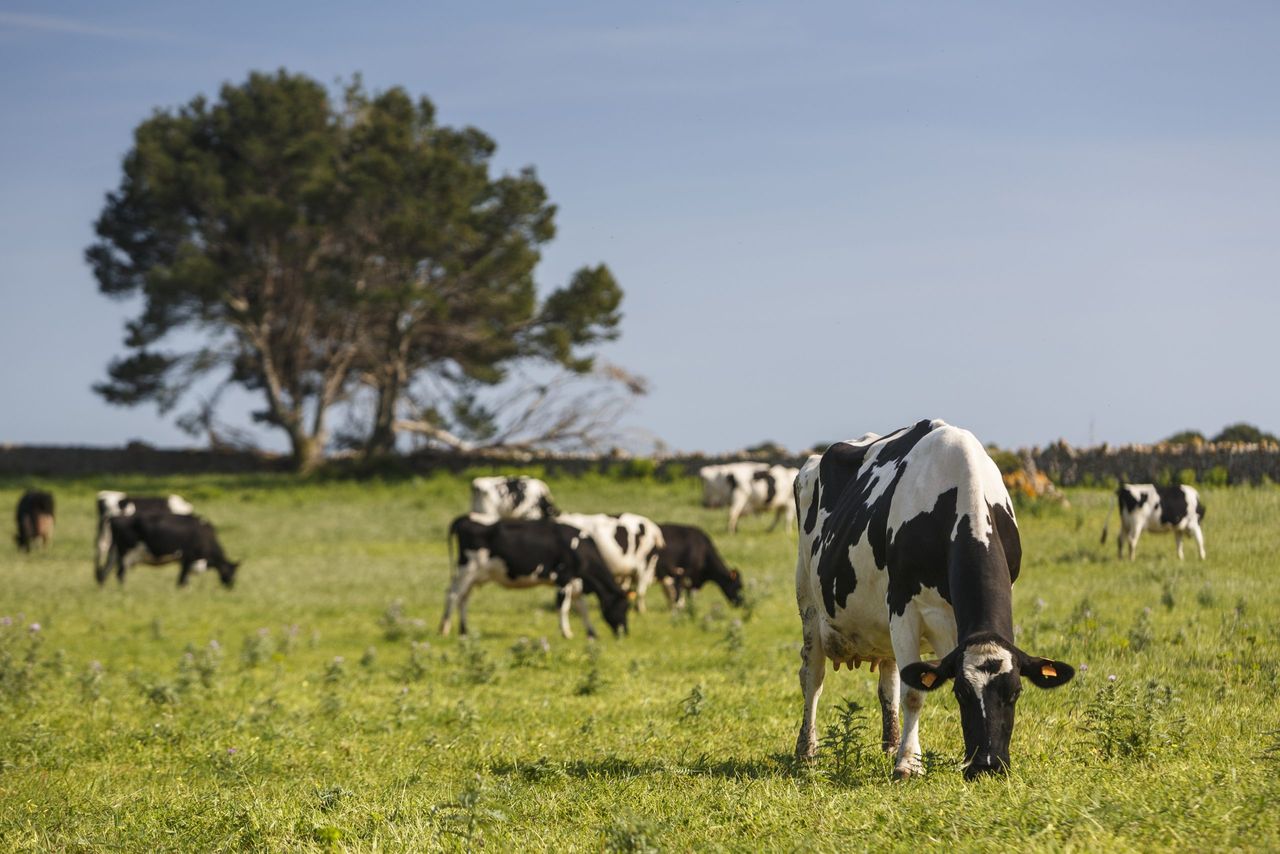
Farmers must be given the support and tools needed to prepare for increasingly extreme weather, according to the Climate Change Advisory Council (CCAC).
The CCAC said farmers are increasingly having to manage very different risks throughout the year due to extreme conditions including excessive rainfall, heatwaves and drought.
Rather than reacting to individual weather crises as they occur, the council said farmers should be better equipped to understand the long-term risks facing their land and businesses in a climate that is becoming increasingly extreme.
The CCAC has launched the Agriculture and Land Use, Land Use Change and Forestry chapter of its Annual Review 2026 today (Wednesday, September 9).
Climate risk
The CCAC said it is calling on the Department of Agriculture, Food and the Marine (DAFM) to develop and deploy, within 12 months, a practical climate-risk toolkit tailored to individual land parcels.
Alongside better information, the CCAC said farmers need access to practical advice, financial support and viable alternatives to existing practices that are more climate resilient.
Restoring soil, water and ecosystem functions can help farms absorb extreme weather shocks and maintain productivity, while some farmers may choose to adapt existing practices or diversify into new sources of income, the council said.
The review also warned that Ireland’s reliance on imported fruit and vegetables leaves the food system vulnerable to climate-related crop failures elsewhere and supply chain disruption, and called for a review of how domestic horticulture could strengthen food security.
Practical support
CCAC chairperson, Alex White said farmers are increasingly having to manage extremes.
"This year we have seen too much water at one time of year and too little at another," White said.
"We cannot keep treating every prolonged wet period or drought as an isolated crisis.
"Climate change is challenging some of the established practices involved in agriculture and land management."
White said that practical support will be essential.
"Whether that means making land and farms more resilient, adapting existing practices or pursuing viable opportunities for diversification, including forestry, carbon farming and renewable energy," he said.
"The transition has to be shaped in collaboration with rural communities and farmers, and not simply designed for them.
"Policy will be more effective if it reflects the practical realities, costs and opportunities on the ground, while delivering the emissions reductions Ireland needs."
Agriculture emissions
Agriculture emissions fell by just 0.2% in 2025 and are now 4.7% below the 2018 baseline - less than half of the 10% reduction commitment from government for 2025.
Environmental Protection Agency (EPA) projections indicate that the ‘with additional measures’ scenario would deliver an approximately 19% reduction in agriculture emissions by 2030, compared with the 25% target.
The council noted that the 25% target remains achievable if additional diversification measures identified in the Climate Action Plan are also fully implemented.
To close this gap, the CCAC said DAFM should develop and begin implementing a time-bound and properly resourced plan to accelerate emissions-reduction measures on farms, informed by structured dialogue with farmers, rural communities and workers.
Forestry
The CCAC said the forestry sector remains a particular concern.
Ireland is not close to meeting its annual afforestation target of 8,000ha, leaving it substantially off track for 18% forest cover by mid-century and contributing to a weakening forest carbon sink.
The council stressed that the next Forestry Programme must address the financial, administrative and practical barriers preventing greater participation.
The CCAC added that significant public funding has been committed to anaerobic digestion under the Biomethane Strategy, but delays to the Renewable Heat Obligation are holding back the market certainty needed to unlock investment and demand.
It said that progressing the obligation is essential if biomethane is to support farm diversification and energy security.