Call for stronger action on deer amid road safety concerns

The government is being urged to take stronger management actions on the deer population due to road safety concerns.
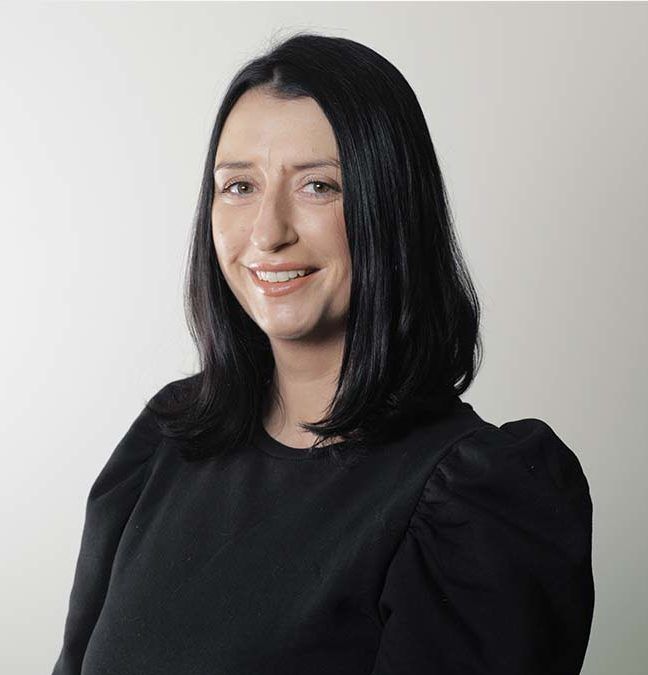
Independent TD Carol Nolan has received a "growing number" of reports from constituents concerned about increasing deer numbers and a rise in dangerous encounters on local roads.
The Offaly TD was recently contacted by a constituent who described large numbers of deer entering fields nightly and creating significant safety concerns for local residents.
"One constituent told me that fields right around her area are now covered with deer every night.
"While people appreciate wildlife, the reality is that deer populations have increased to a level where they are posing a genuine threat to road users and causing significant concern among farming families," Deputy Nolan said.
Deer
Deputy Nolan said she was informed of a recent incident in which a local woman travelling from Clonaslee to Tullamore collided with a deer that suddenly emerged onto the road.
"The young woman involved sustained no physical injuries, but the collision caused approximately €1,500 worth of damage to her vehicle and left her badly shaken.
"It was rightly pointed out to me that the outcome could have been far worse had she instinctively swerved and collided with oncoming traffic.
"That is the reality facing motorists across rural Ireland. These incidents can happen in a split second and can easily lead to serious injury or loss of life," she said.
Warnings
The TD said that gardaí in the Laois-Offaly divisions have previously issued warnings to motorists to remain vigilant in a number of areas where deer activity is regularly reported.
Deputy Nolan said that while sensible driving precautions are important, the issue cannot be addressed through public awareness alone.
"Responsibility cannot be placed entirely on motorists or farmers.
"Rural communities are increasingly telling us that deer numbers have reached unsustainable levels in certain areas and that stronger population management measures are required, including a cull, if necessary.
"Farmers are dealing with damage to grazing land and fencing, while motorists are facing an increasing risk of costly and potentially devastating collisions.
"The current situation is simply not sustainable.
"We need a practical and balanced approach that protects wildlife while also recognising the legitimate safety concerns being raised by rural communities.
"Above all, we should not wait until someone loses their life before taking decisive action,” Deputy Nolan said.