Call for minister to scrap 100t cap on fertiliser support scheme
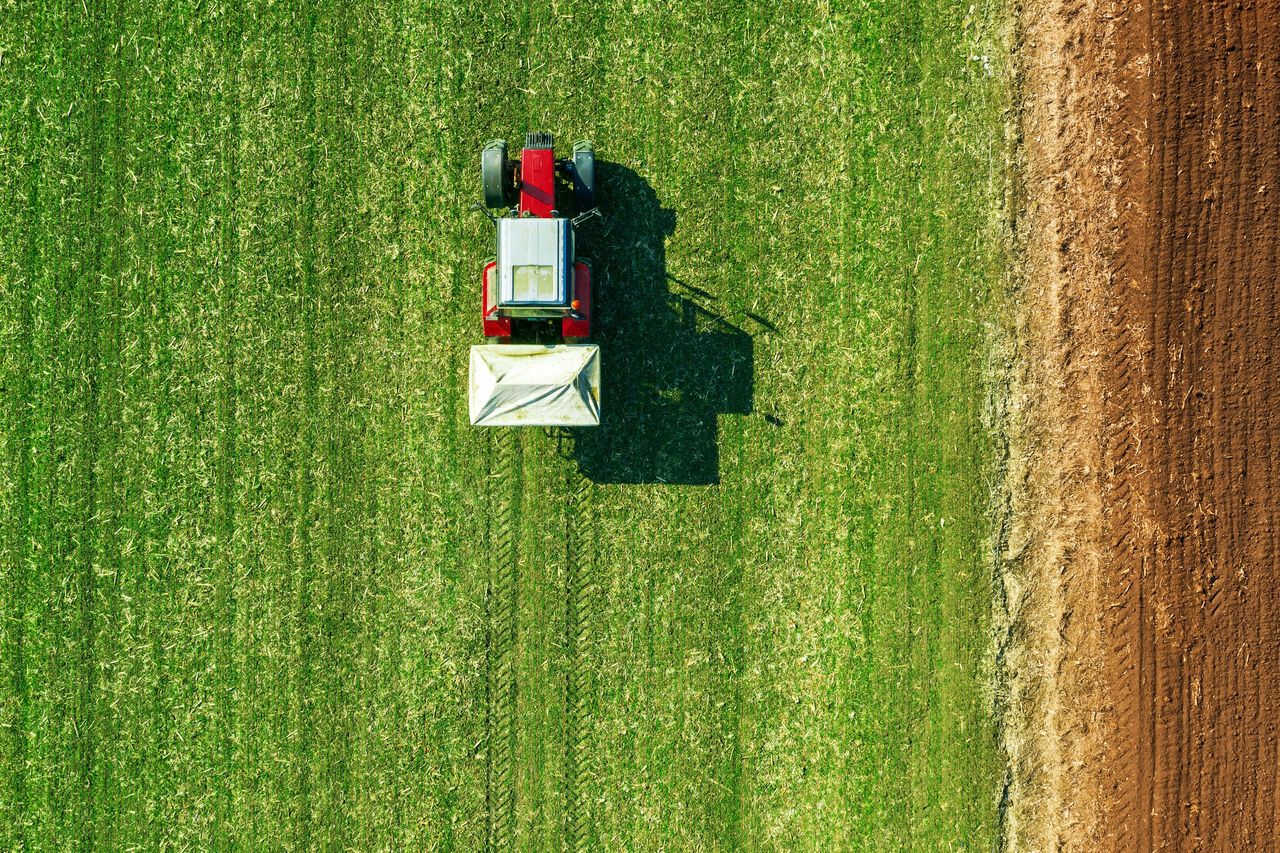
The Minister for Agriculture, Food and the Marine has been urged to lift the 100t cap on the fertiliser scheme, allowing farmers with higher usage to benefit from the support.
Minister Martin Heydon last month announced a €46.2 million funding package to support farmers battling higher fertiliser prices because of the ongoing conflict in the Middle East.
Under the terms of the scheme, farmers must be registered on the National Fertiliser Database (NFD), have submitted a 2026 Basic Income Support for Sustainability (BISS) application and eligible payment amounts will be based on purchasing data for the 2024/2025 fertiliser year.
The minimum tonnage of chemical fertiliser eligible for payment under the scheme is 2.5t and the maximum tonnage for which support will be granted will be up to 100t.
The rate per tonne will be €40/t and the minimum payment under the scheme will be €100.
The Fianna Fáil TD, Peter 'Chap' Cleere, has asked Minister Heydon if he would consider lifting the 100t cap limit.
Fertiliser
However according to the minister because there was "an absolute maximum level of funding available for the scheme" of €46.2 million, it was developed "to target support in the most meaningful manner to the widest possible group farmers exposed to higher input costs".
"These levels of tonnage and the rate per tonne were arrived at to ensure that the funding of €46.2 million allocated to the scheme can be distributed to support the maximum number of farmers in the most meaningful and efficient manner possible.
"My department is now analysing the total eligible tonnage in order to determine eligible farmers and calculate payments in accordance with the terms and conditions of the Fertiliser Exceptional Aid Scheme," Minister Heydon added.
EU partnership
Separately the European Commission has launched a new EU Fertilisers Value Chain Partnership this week to "boost co-operation and bring greater predictability across the sector".
The EU Fertilisers Value Chain Partnership aims to bring together key stakeholders to identify barriers to the availability, affordability and use of EU-produced fertilisers, and encourage more efficient use of nutrients on farms.
It also plans to explore ways to reduce the EU’s reliance on imports and "strengthen its strategic autonomy".
According to the commission it plans to have regular exchanges, where participants will be able to discuss the main challenges facing the fertiliser sector and identify opportunities to give producers and users greater certainty.