Cross-border beef industry group visits farms in Kildare and Meath

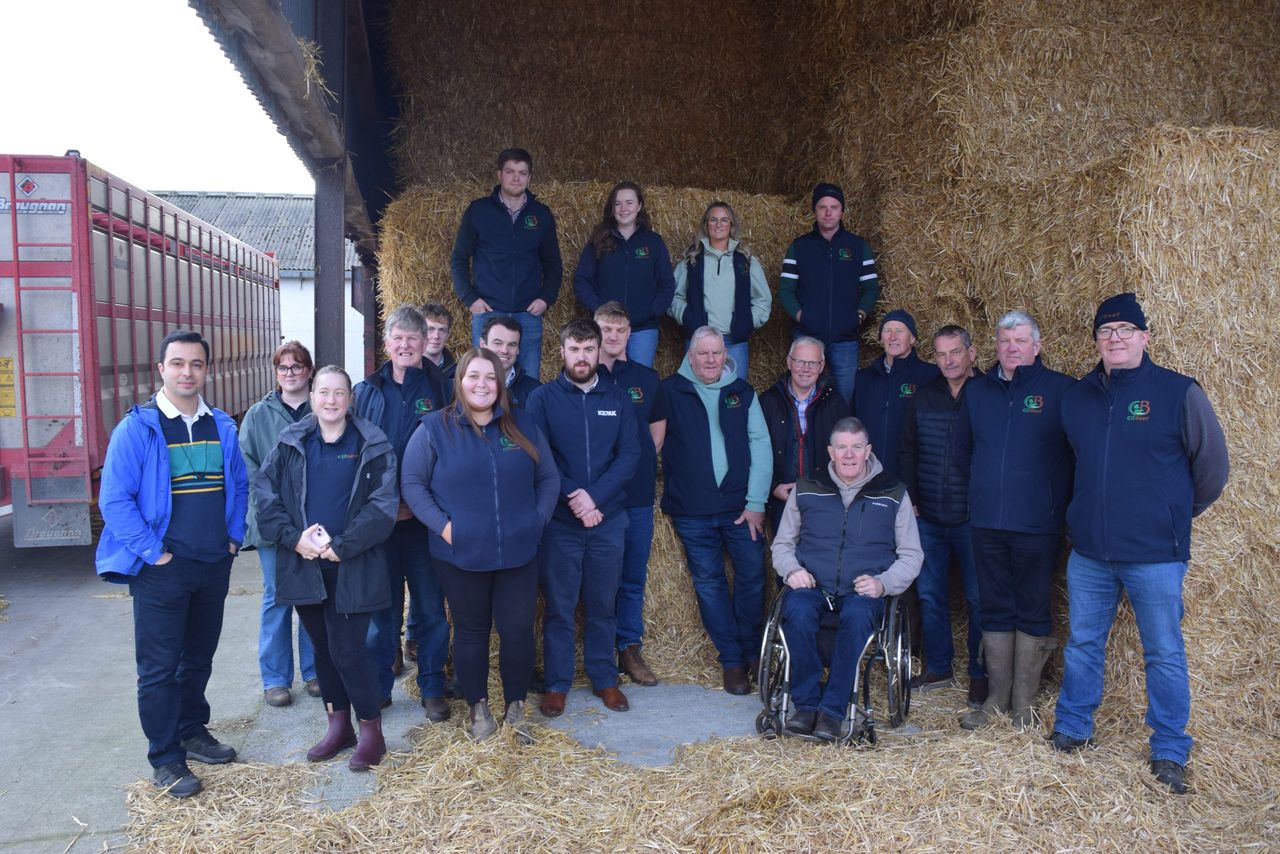
Farmers and project representatives from the cross-border 'climate-friendly beef' project 'CliBeef' took part in a two-day study tour to the Republic of Ireland recently.
CliBeef is a cross border project aiming to help farmers produce "climate-friendly beef".
The farm visits took place on Wednesday, October 28, and Thursday, October 29, with the group visiting beef research and farming facilities in counties Kildare and Meath.
The programme included visits to the Irish Cattle Breeding Federation's (ICBF) Tully Progeny Test Centre in Co. Kildare, Teagasc's Grange research facility in Co. Meath and the Kepak Farm, also in Co. Meath alongside a farmer workshop.
The tour provided an opportunity to explore different approaches to climate-friendly beef production and exchange experiences with fellow farmers and researchers.
ICBF Tully
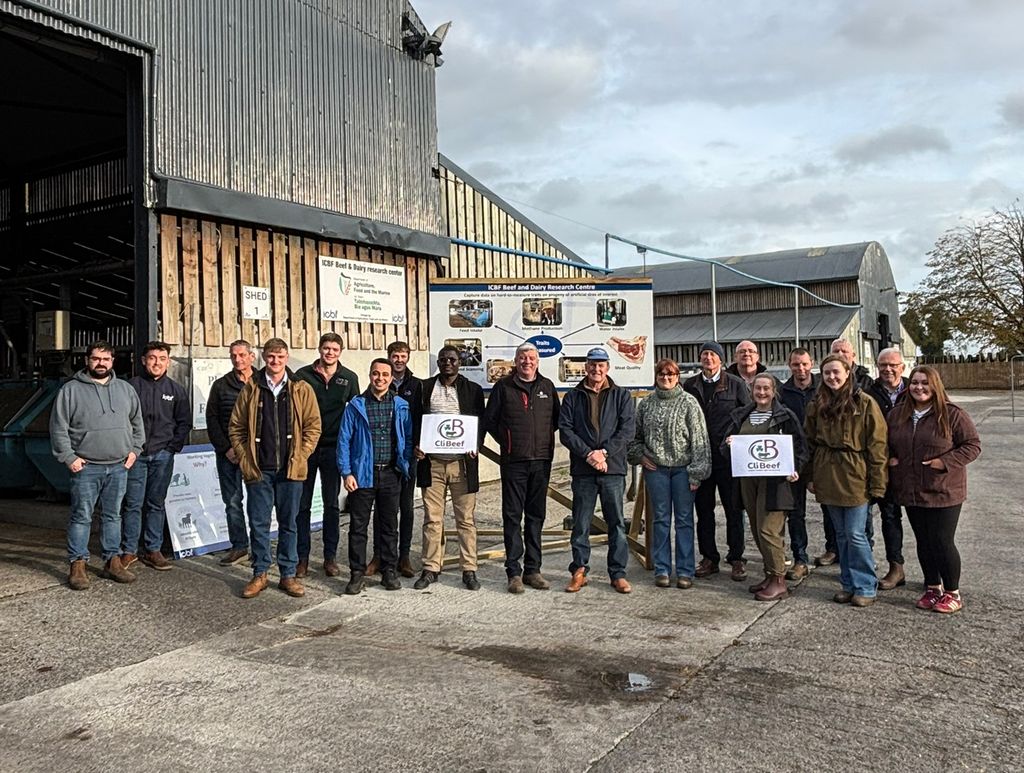
The first day took the group to the ICBF Beef and Dairy Research Centre in Tully, Co. Kildare, where ICBF staff guided the group through the research farm and encouraged discussion between farmers and ICBF staff.
ICBF Tully measures cattle performance, feed efficiency, methane emissions and carcass quality to support breeding decisions.
Farmers explored how this research could help improve efficiency on their own farms.
Following the visit, the group travelled to Moyvalley Hotel in Co. Kildare for an overnight stay.
The following morning, AgriSearch hosted a workshop where farmers shared their experiences of putting mitigation measures into practice on their farms.
Visit to Kepak Farm and Grange
On the second day, the group visited Teagasc Grange in Dunsany, Co. Meath.
Here the group heard about issues relating to beef nutrition, breeding, genetics, grassland management, animal health and beef quality and looked at ways of supporting the development of sustainable and profitable production systems.
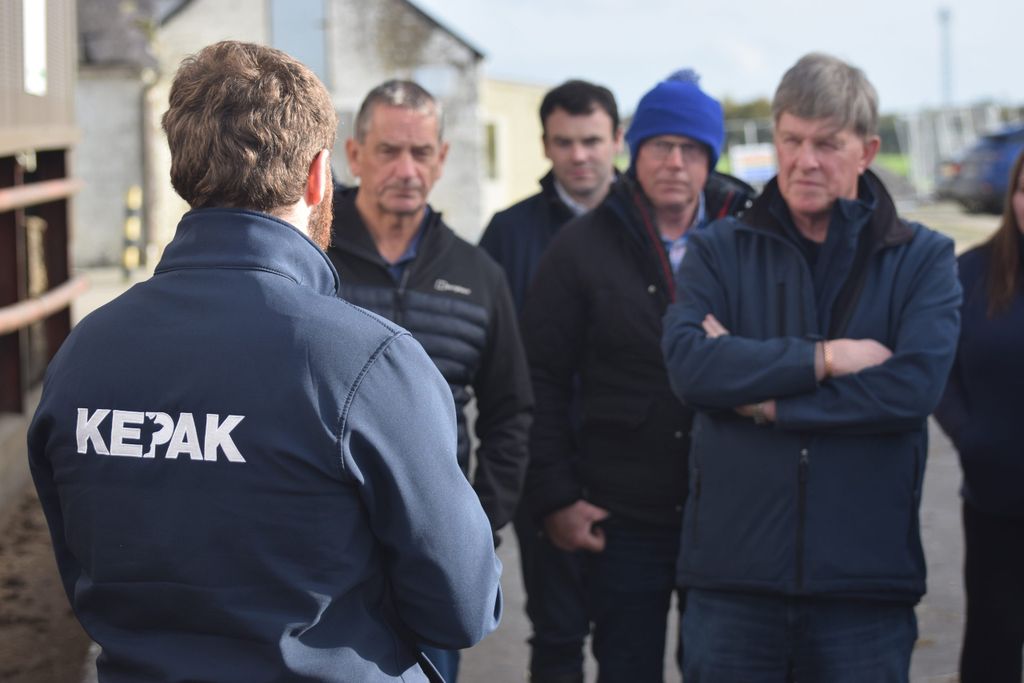
The tour concluded with a visit to Kepak Farm Dunboyne, Co. Meath, which operates a store-to-beef finishing system, managing cattle nutrition, health and growth to meet market requirements.
The farm grows cereals and forage for cattle feed and serves as a research and demonstration farm, with a focus on animal welfare, efficiency and sustainability.
The CliBeef group took particular interest in the farm’s new cattle race, which prompted discussion on safe and efficient cattle handling, weighing systems and the importance of monitoring cattle performance.
Reflecting on the tour, Co. Down farmer and CliBeef participant Sam Chesney said: “I picked up a lot of useful ideas that could help me progress my farm.
"It’s very nice to see how others do things, but it’s even better to be with a group of people who are thinking along similar lines.
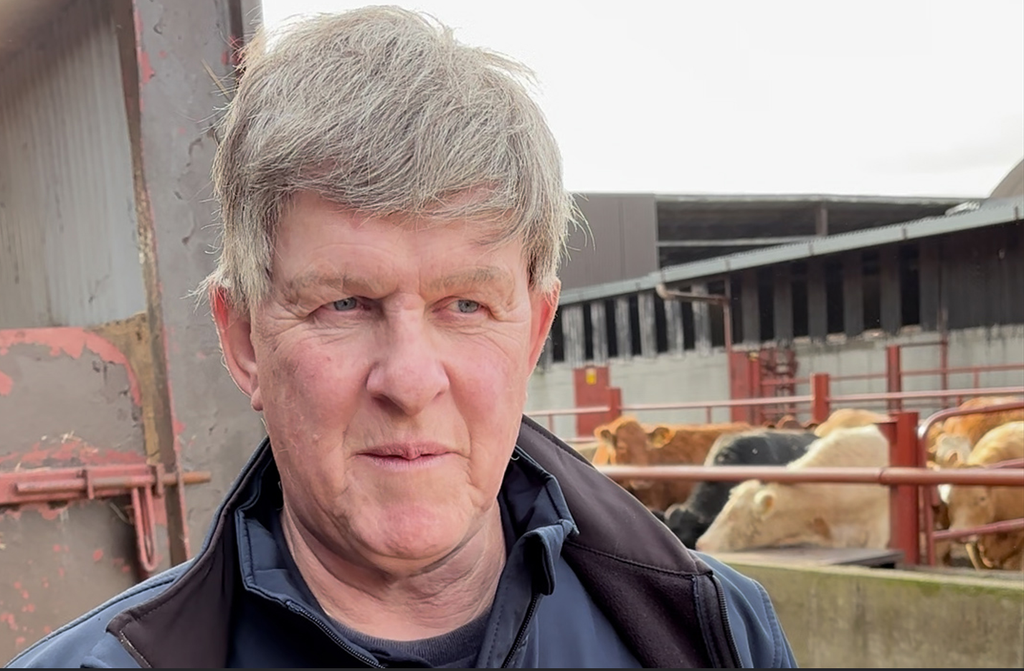
“Reducing carbon and methane emissions is firmly on the agenda, and we’re already on that journey ourselves. I expect CliBeef to help us take that further.
"By making changes on our own farms, we can hopefully contribute to progress across agriculture and the Northern Ireland beef industry," he said.
Co. Leitrim farmer and CliBeef participant Robbie Lloyd said: “It was great to see and hear about the current research being carried out to develop the beef industry.
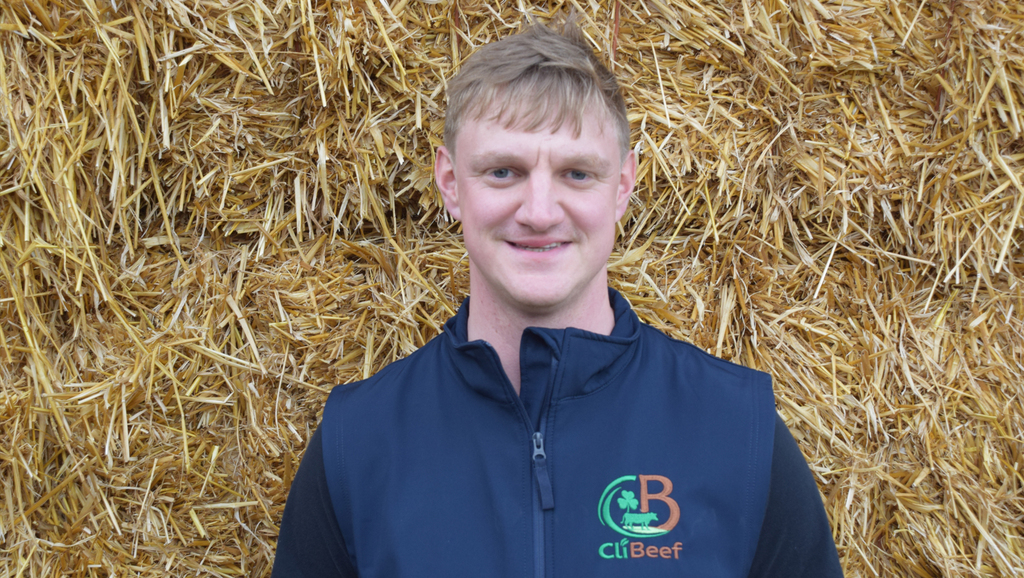
"Some of the greatest value for me came from interacting with the fellow farmers on the trip.
"My main hope for the project is to exchange ideas and practical solutions with fellow farmers, advisors, and researchers that can be implemented on my own farm.
"I hope this will help drive the sustainability of the farm, both financially and in terms of our responsibility to produce beef in an environmentally sustainable way.”
Leah Steele, CliBeef network manager, said: “The study tour provided a fantastic opportunity for our CliBeef farmers to engage with industry experts, exchange knowledge and see first-hand how research-led practices can be applied on their own farms.
"A key part of the CliBeef Project is bridging the gap between scientific research and practical farming, and visits like this are invaluable in helping farmers identify realistic, practical changes that can improve farm productivity, efficiency and environmental sustainability.”
"The study tour forms part of CliBeef’s work to support a more sustainable and climate-resilient beef sector in Northern Ireland and the border counties of Ireland.
"Bringing farmers and researchers together creates opportunities to share knowledge, build relationships and consider how research can be applied on farm."
CliBeef is a three-year collaborative project involving the Agri-Food and Biosciences Institute (AFBI), AgriSearch, Queen’s University Belfast and Teagasc.
Working with 12 farms, six in Northern Ireland and six in the Republic of Ireland, the project focuses on science-based approaches to reducing the carbon footprint of beef production.
The project is supported by PEACEPLUS, a programme managed by the Special EU Programmes Body (SEUPB).