Buyer of 400,000 calves confirms move to trial 'Rose beef' production in Ireland
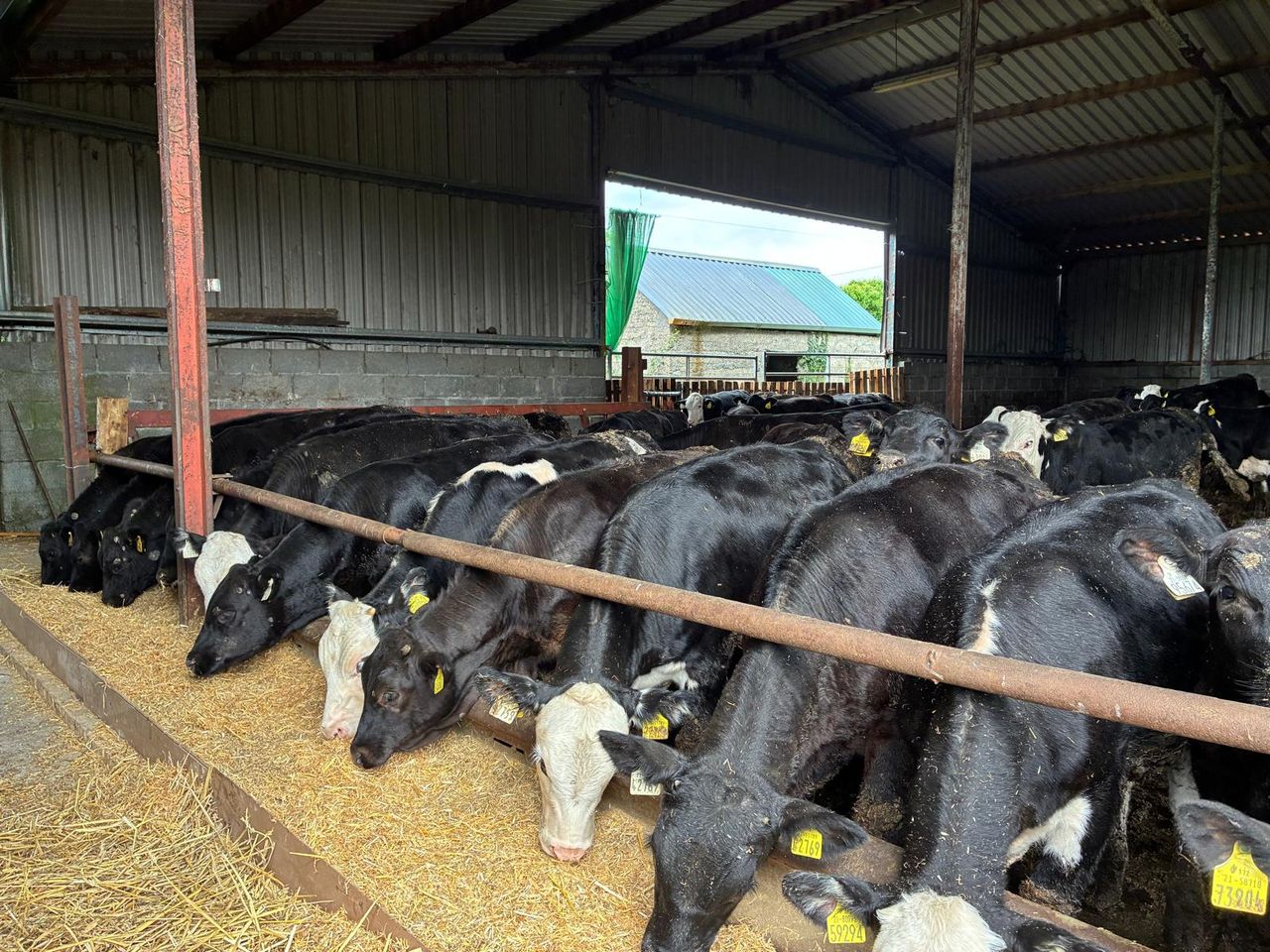
Agriland can reveal a new industry-led project involving approximately 700 dairy-beef calves is currently underway in Ireland.
The project has been underway since spring 2026 and is being led by Feed For Growth, a business owned by Dutch-based young animal nutrition company Denkavit.
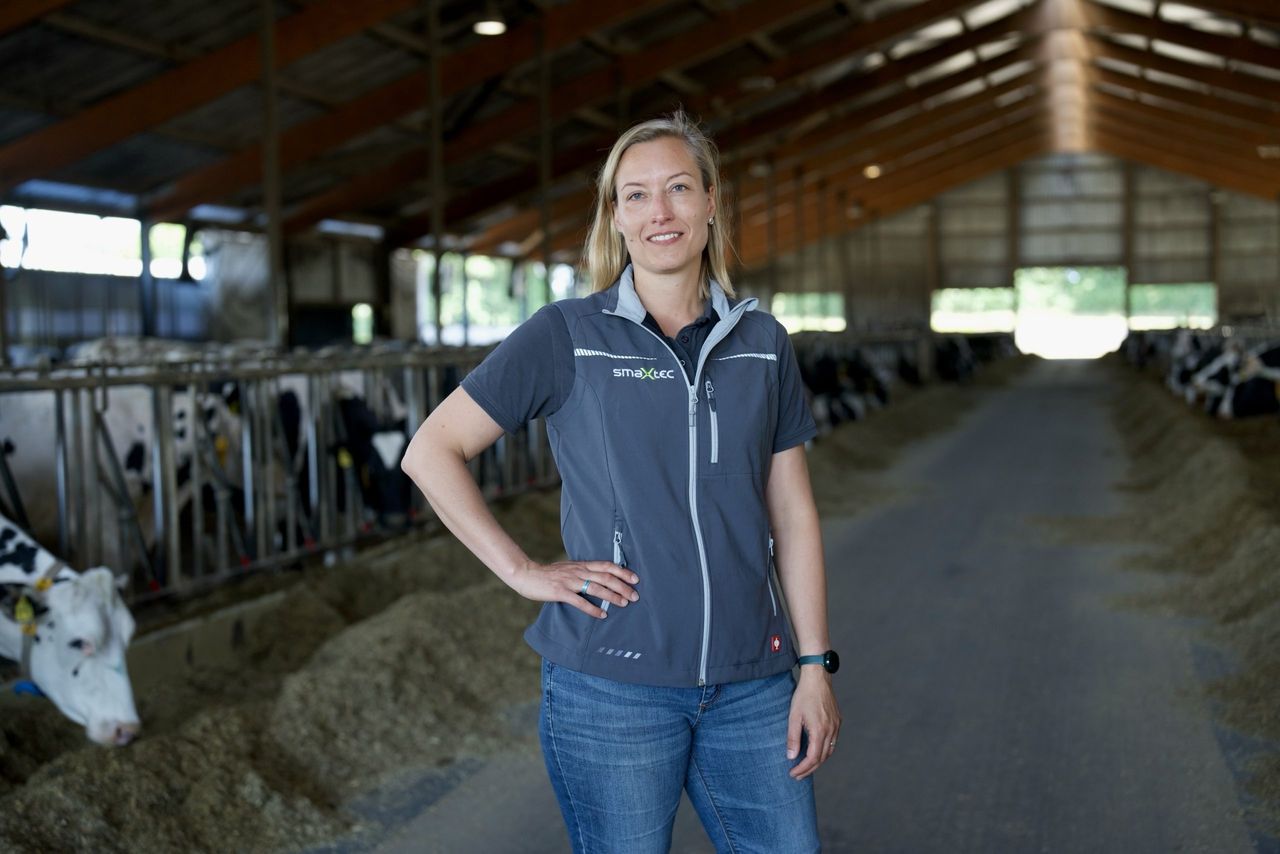
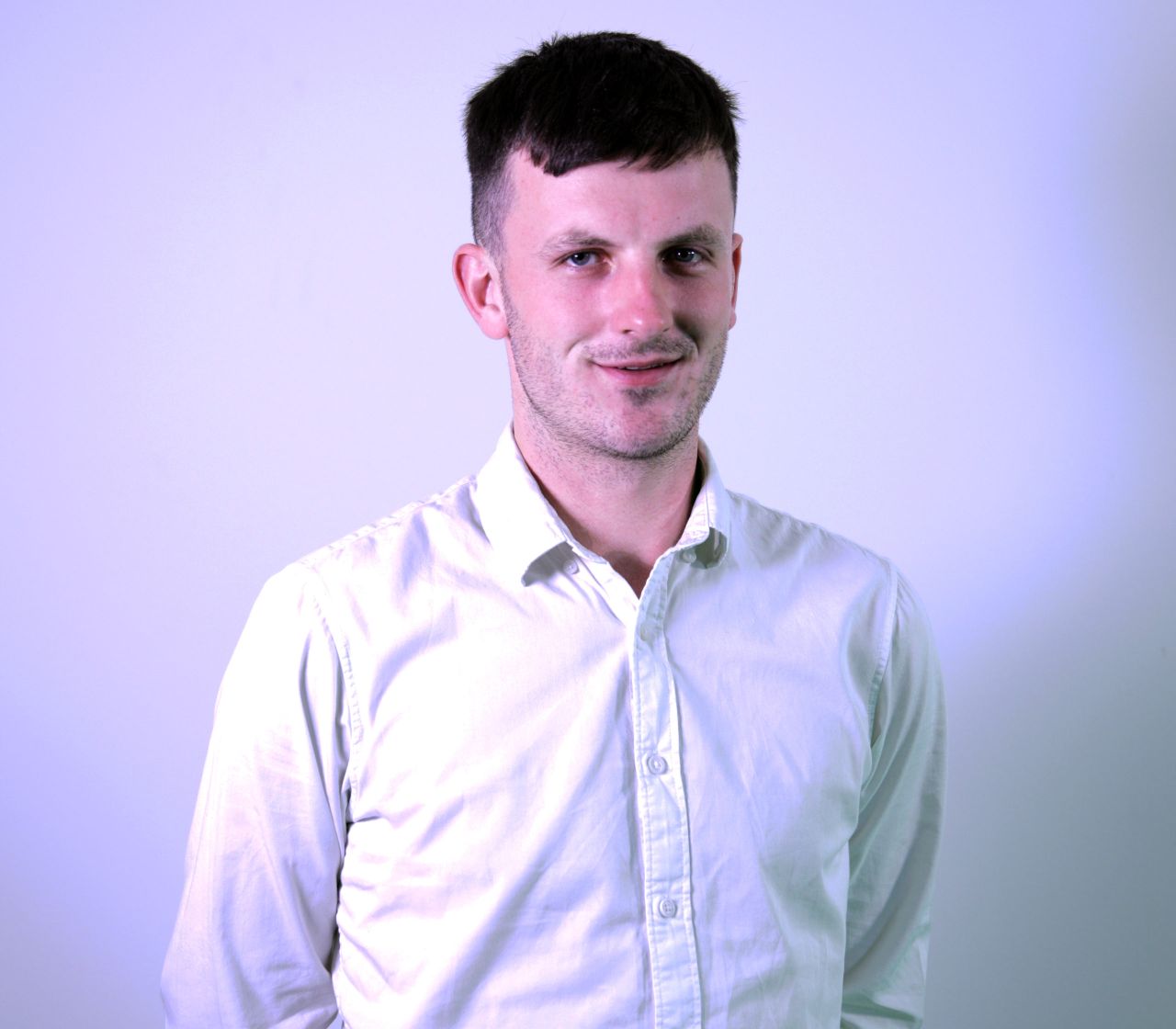
To find out more about the pioneering new initiative, Agriland arranged a meeting with Denkavit business development manager Jacob Kroes and Feed For Growth national sales manager for Ireland, Una Hickey (Volac Milk Replacer Ireland Ltd)
Denkavit took over the milk replacer business, which was called Volac Feeds, in December 2023.
The Irish business now is owned and supported by Denkavit, which is behind the pilot scheme.
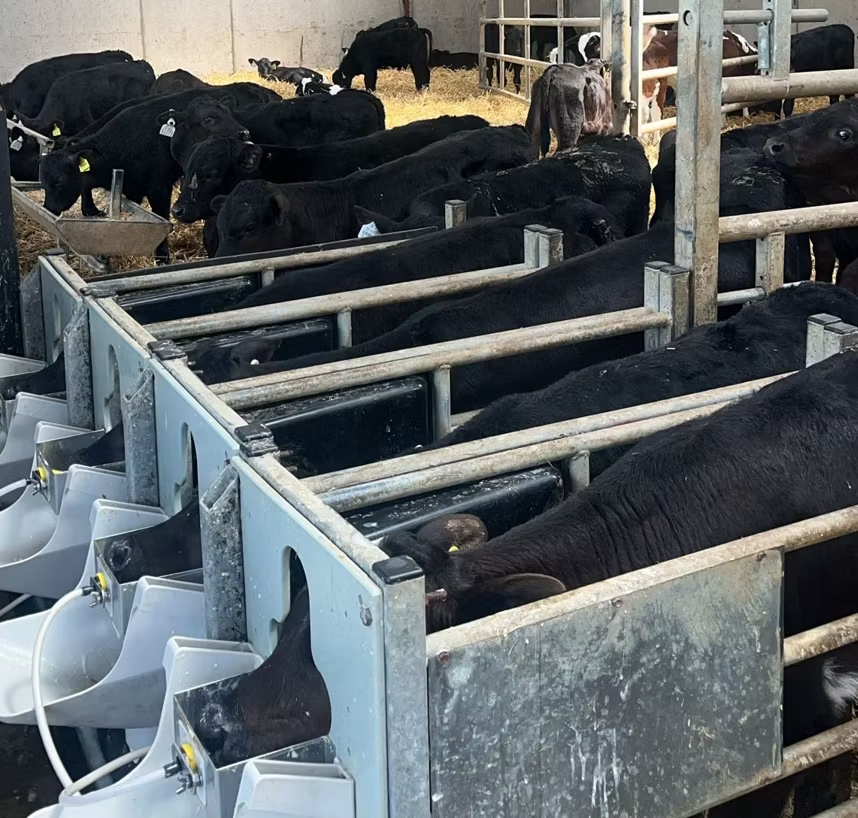
Kroes explained that Denkavit has a long history with the dairy beef (and rose beef on the continent) market and will mark its centenary year in this business in 2029.
Since its foundation, the Dutch business has grown into three areas namely, livestock production, milk replacer production, and sale and supply of ingredients such as amino acids and vitamins.
The company has also grown its reach across several European countries and into the US also.
According to Kroes, Denkavit currently buys approximately 400,000 calves/year for veal production in Europe.
He is of the opinion that the move into Ireland, initially on a trial basis, is a logical one.
Speaking to Agriland, he explained: "In Ireland, they have a lot of calves.
"There is also currently a lot of pressure on young calves being exported.
"There are the facilities and there is the farmer expertise to keep them in Ireland so we asked: 'Would it be a runner or not?'
"And in order to find out, we said: 'Let's do a pilot scheme'."
The Rose Beef Ireland trial
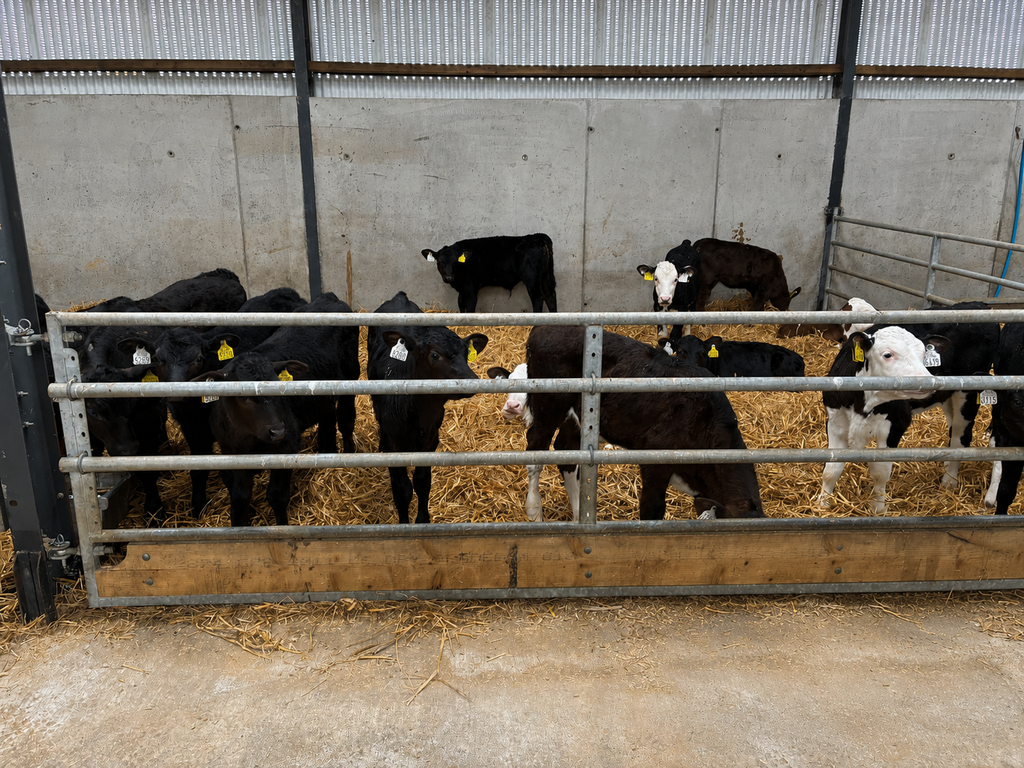
"We started in spring 2026 with 700 animals on six different farms and this is how we are finding out how the scheme is working for us," Kroes said.
"We have a clear protocol what farmers should do and what they shouldn't do.
"We take the risk at Denkavit. We buy the calves, we provide the inputs and we expect the farmer to take very good care of the animals.
"The farmer provides the livestock accommodation, bedding, electricity and water.
"The farmer is being paid on a monthly basis so it is a risk-free operation and also for cashflow, it's beneficial."
He explained that the animals involved in the trial are taken in as calves and are fed on a specified diet for eight months when they will then be slaughtered.
The aim is for first of the cattle in the trial to be slaughtered in Ireland from early November onwards, with the rose beef carcasses then exported to Europe.
Kroes said that the meat is generally exported to "specialty markets" in southern European countries such Greece, Spain, Portugal and Germany.
What is unique about this trial in Ireland is that one of the key stakeholders, Denkavit, already has an established foothold in the market for the subsequent produce from the system, trading approximately 400,000 carcases annually.
The business has a long-established network of market outlet contacts.
Rose beef production targets
The aim is to produce a 175kg carcase at a liveweight of approximately 330kg.
To achieve this performance, approximately 30kg milk powder, 1,000kg concentrates and 100kg of straw "and lots of love" will be required, the Denkavit spokesperson explained.
Kroes said that the farmer responses to the trial are positive so far, adding that the farmers are "very good at the job and very dedicated".
He also said that early indications from the trial show that a variety of existing calf-rearing buildings can support good calf performance.
While housing design remains important, the results suggest that successful outcomes can be achieved in different types of accommodation when the environment and management are appropriate.
Una Hickey added that there are different types of sheds housing the calves on the trial and that the calves "are thriving in all of the accommodation, which is really good to see."
Sourcing calves
The pilot project is currently exploring options for sourcing Irish calves for the spring 2027 season.
The Denkavit spokesperson said that meat prices have "collapsed" in Europe after a better year for prices last year, similar to what has been seen in the current beef trade.
He said: "What is happening in other parts of Europe at the moment is that cost prices are pretty dear because the calf prices were very high when we bought them.
"You see the meat prices have collapsed, so it's €1.50/kg less than three months ago."
"I would love to have a margin of €1/kg but that's not happening."
He added that last year was a good year overall, "but that's how the business is".
Kroes said: "You're making some good money, but there are also times when you loose money but the average is still okay.
"But it is a thin margin business."
Price confidence and calf quality
The Denkavit spokesperson expressed confidence that prices for Rose beef "will go up".
He emphasised that a core part of the success of the trial is calf quality.
"You need good-quality calves from the start because you only have eight months to finish them.
"If you miss a few days or calves become ill, they will never be able to recover.
"This kind of rearing is top-league sport. If you fail to pay attention for a few days, you're going to miss the targets," he explained.
Hickey emphasised that while original calf quality is paramount, the calf-rearers are "key".
"That's why the rearers are key. Everything must be working like clockwork because these animals have to grow every day to ensure they meet their targets."
What type of calves do they want?
Kroes said when buying calves, "what works for us normally is Friesian bulls aged 2-3 weeks-old.
Bulls or heifers are suitable but bull calves are preferred.
He added that in practice, "what you see is you have to take all of the calves" when dealing with the dairy farmer supplying the calves.
"You have a lot of crossbreds in Ireland. Especially in late spring, the Friesian bulls are less available.
So in our pilot scheme, currently we have quite a lot of Angus or Hereford crossbreds," he said.
Commenting on the performance of these beef-sired calves, Kroes said:
"They are doing okay but what you generally see is they are €150-200/head more expensive than the Friesian.
"In terms of meat price, that is €1/kg, because it is 175kg carcass-weight and adds €1/kg more to the cost price.
"They have to show that they can recover that additional cost," he said.
Could this Rose Beef Ireland project be scaled up?
The Denkavit representative sounded highly confident about the future of this venture in Ireland, but remained modest, saying: "I think the possibilities are quite good.
"It all depends on the farmers and the facilitates if we can grow at a size."
He emphasised that farmers will be paid per calf reared so rearing larger numbers on each farm will make it more economically viable for that farmer.
He said: "This scheme is a pro-calf scheme. It's also a pro-farmer scheme so it's about supporting the calf and the farmer.
"Because it's renumeration per calf, if you do 75 or 200 calves, it's almost the same amount of work - of course slightly different - but three times the pay out.
"Also in terms of making it worthwhile, you want to have size."
The project partners are inviting farmers rearing over 150 calves annually who may be keen on rearing calves as part of the project to an open day that is planned for Wednesday, October 28.
Farmers who fit this category and are interested in finding out more about the initiative can contact Una Hickey by e-mail on: [email protected] or alternatively, contact their local FeedForGrowth representative.