Early cash-flow planning urged to 'save a lot of headaches over the winter'


A bit of planning now when it comes to cashflow "could save a lot of headaches over the winter" for farmers.
Teagasc farm management specialist, Klara McGriskin said that as we head into autumn, it may be worth every farmer taking a good look at cashflow, especially with the fodder situation this year.
"It's different in different parts of the country. Some farms are in a good enough position, while others are going to be under pressure," McGriskin told Agriland.
"Teagasc’s recent fodder survey found 14% of farms with a significant fodder shortage, with another 25% showing a 10–20% shortfall, so there are plenty of farms that need to be looking at this now."
Teagasc has advised farmers to complete a cashflow budget and seek additional finance early where extra feed purchases are going to be needed.
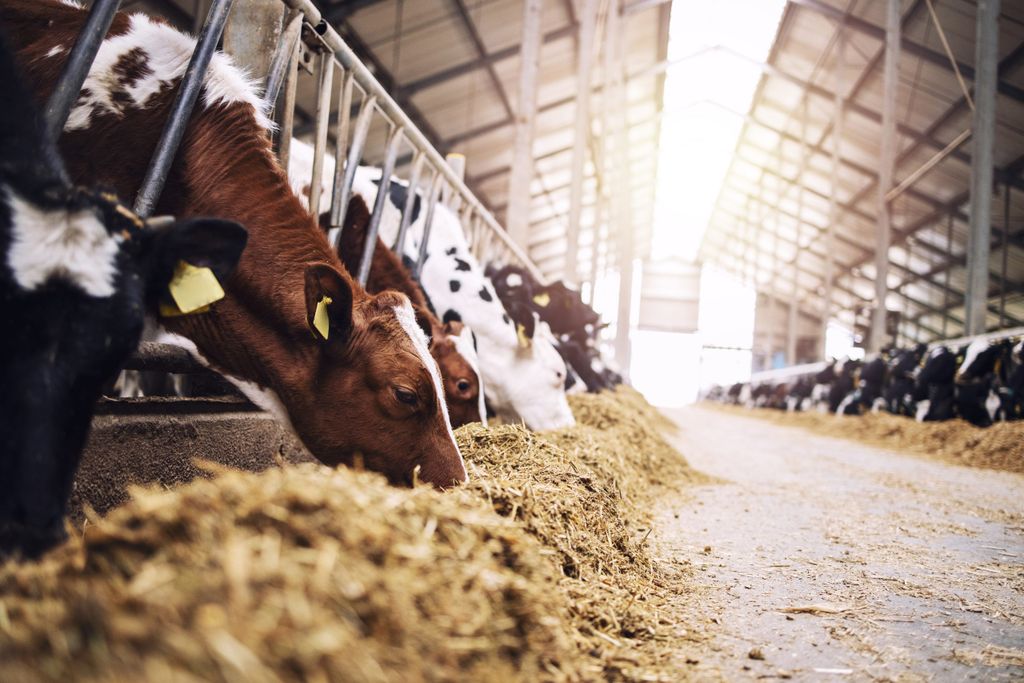
McGriskin outlined the importance of farmers knowing what fodder they have.
"Start by counting the bales and looking at what is in the pit," she said.
"Work out what you have and what you are likely to need right through to spring.
"Teagasc is recommending farmers do a proper winter fodder budget and act early if there is a gap."
McGriskin said as a rough guide, if a farmer is buying silage at €35-€50 a bale and straw at €25-€35 before delivery, the bill can build quickly.
"If you are short 100 bales, put a realistic price on those 100 bales now. You’ll have a much better idea of what the farm needs to fund," she said.
Coming months
McGriskin advised farmers to sit down and look at the next six months.
They should consider what money is coming in and when, and what bills are going out.
"Put everything in - feed, fertiliser, contractors, tax, loan repayments, merchant bills and household costs," she said.
"If you can see a tight month coming, deal with it now. Don’t wait until the bank account tells you there’s a problem."
If money is going to be tight, McGriskin encouraged farmers to have a look at what spending can be pushed out - for example, a machinery purchase or building job might be better left until next year if not essential.
Stock numbers
McGriskin said if fodder is tight, farmers should be realistic about the number of cattle or sheep they are carrying.
"Work out what it will cost to feed them through the winter and compare that with what you could get for them now," she said.
"Don’t just look at the sale price. Look at what that animal will cost you between now and spring as well."
Farmers should also be prepared for something unexpected, like a machine breaking down or a vet bill, so if they get a good cheque, don't spend all of it and keep a bit back where they can.
McGriskin said that a bit of planning now "could save a lot of headaches over the winter".
She said that the fodder situation is different all around the country, "but the message is the same - know your figures and be prepared".
"Do the fodder budget, do the cashflow and, if you see a problem coming, talk to someone early," she added.
"Cashflow is too important to leave to chance or to hope that some scheme will come along and take you out of a hole.
"A bit of planning now could save a lot of headaches over the winter."