Sponsored
Brassica breaks add value to grassland reseeding


Sponsored by

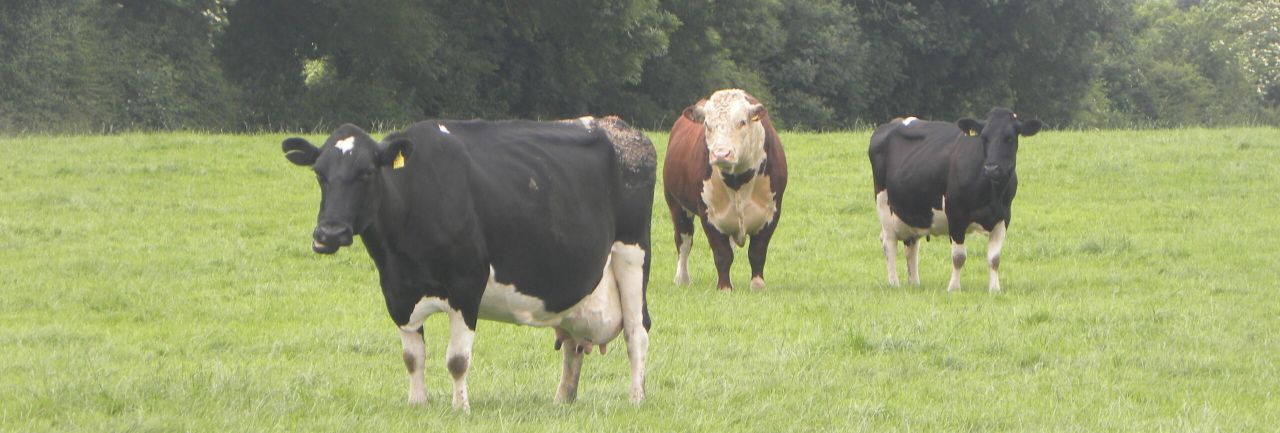
Forage crops such as kale proved to be a great solution for many farmers wishing to stretch silage stocks or who were challenged by lack of housing, while incorporating it with roughage (silage and straw) into their feeding strategy.
In most cases, the wet year did not affect the performance of forage crops or the stock feeding off it. Although the tough winter presented farmers across the country with difficult conditions, good crop utilisation and performance were achieved.
Nicky Byrne, technical manager with Germinal Ireland, witnessed forage crops averaging 10t/ha (dry matter) and reported that stock found Maris Kestrel kale a very palatable crop, giving excellent animal performance.
“Despite the ground conditions, the appetite was still there and the crop remained palatable,” Nicky explained.
Brassica crops can be an ideal break crop for farmers planning to rejuvenate grassland and will also help boost short-term feed availability.
Redstart
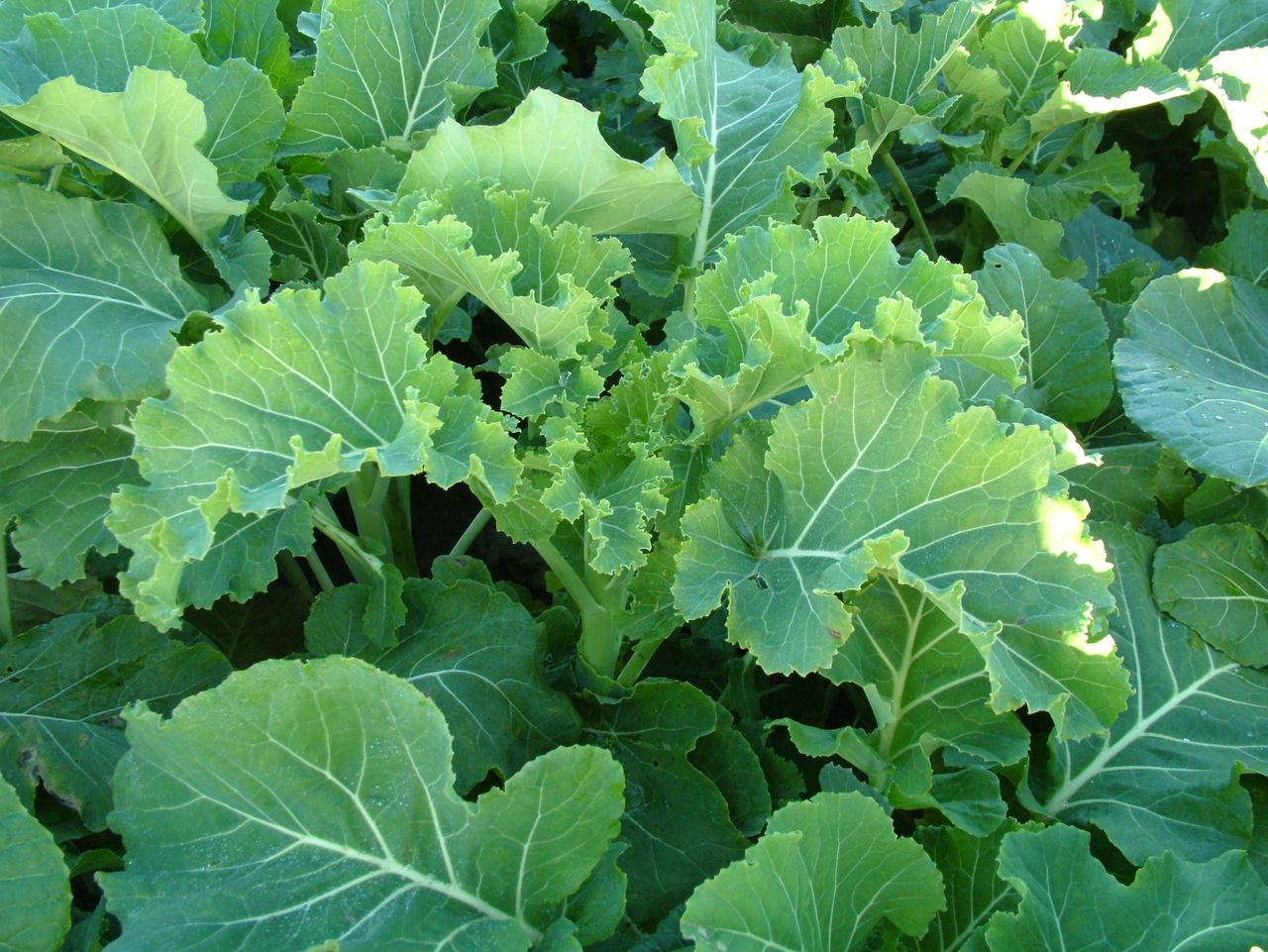
If drilling in mid-to-late summer, Nicky recommends the fast-growing hybrid brassica crops such as Redstart, which has the potential to provide up to 7t/ha (dry matter) within 10-12 weeks of sowing.
This hybrid brassica – a rape X kale cross – offers the highly beneficial combination of rapid growth ability and good all-year-round performance.
The forage rape genes give it the ability to grow quickly, while the kale genes deliver excellent winter hardiness. Redstart is mainly used as a high-energy protein crop for out-wintering cattle and sheep and can be grazed more than once if sown early.
Opportunities for weed control before reseeding
By growing brassicas in between old grassland and a new reseed, you are cleaning the ground very effectively, as there are two opportunities for weed control, according to Nicky.
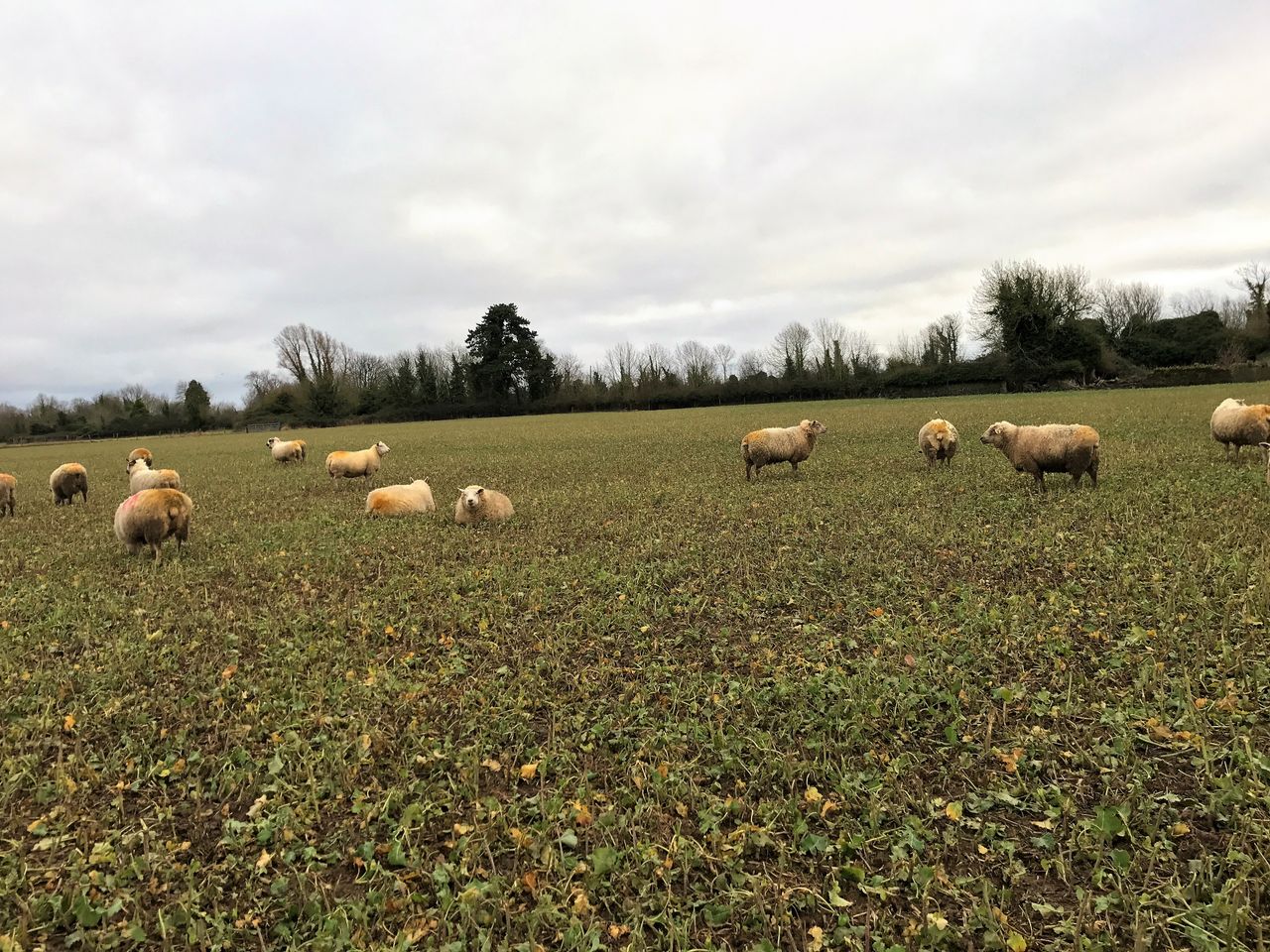
In some cases, there may still be time to do this ahead of an autumn reseed, using the brassica as a short-term grazing crop to fill a late-summer forage gap. Alternatively, the brassica provides autumn or out-wintering forage ahead of spring reseeding.
There are a number of options available to farmers when choosing forage crops, but there are three fundamental questions to answer before deciding on the most cost-effective type of forage crop for your livestock production system.
There are number of sowing guidelines when it comes to planting individual brassica crops. For kale, these are:
- Sowing date: May to early June;
- Kale seeding rate: 2.5-3.0 kg/ac (increase to 3.5kg/ac if broadcasting);
- Kale utilisation: November to February.
Grazing management
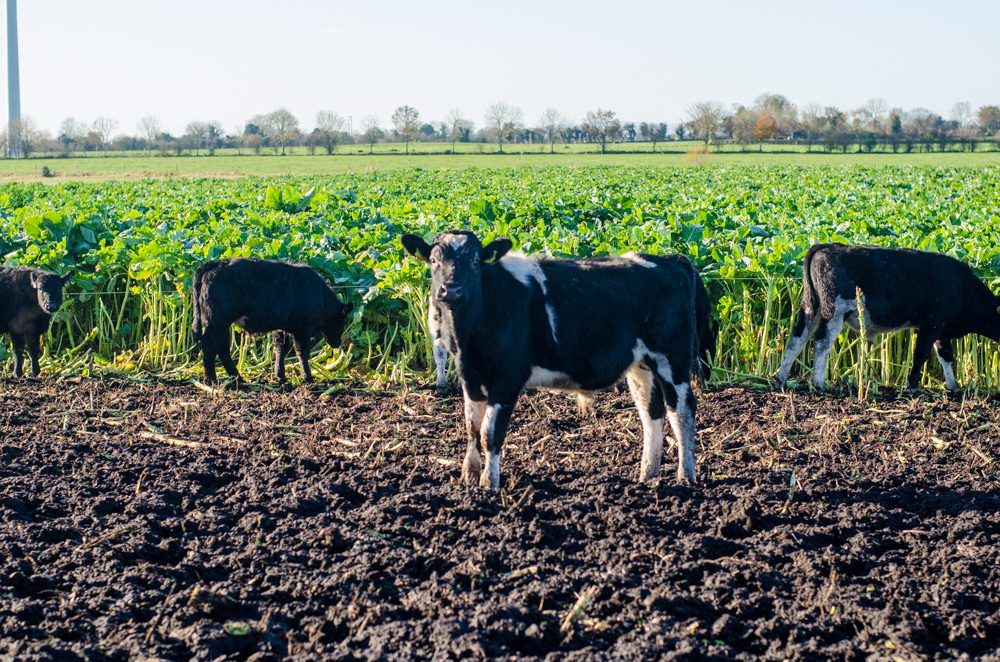
When it comes to grazing the crop, there are a few guidelines that Nicky recommends should be followed to ensure that the stock really benefit from the crop and don’t experience any setbacks:
- Introduce stock slowly – allow one to two hours access and build up to full-time access after seven to 10 days;
- Provide access to roughage. For example, silage bales – place bales in the field during the summer or at sowing, as this will avoid machinery travelling the field in winter. This will reduce soil damage and reduce the workload;
- Strip grazing will maximise utilisation and minimise wastage;
- Graze in long narrow strips to ensure all animals can graze at the same time; this will minimise trampling of the crop at feeding;
- Provide minerals or a mineral bolus to animals. Speak to your vet to ensure animals receive the necessary minerals;
- If sown on a hill always graze down hill;
- Ensure constant access to fresh water.
More information
For further advice on growing and utilizing forage crops effectively, Germinal Ireland is happy to have a member of its team assist. [button link="https://www.germinal.com/ie/products/brassicasforage-crops"]Click here for more information[/button]
Sponsored by