Bord Bia urged to shield Irish beef in Britain against Brazil exports

Bord Bia, and other relevant bodies, have been called on to protect the market share for Irish beef in Britain ahead of a possible spike in beef from Brazil entering that market.
From tomorrow (Thursday, September 3), beef, as well as poultry, from Brazil can no longer be exported to the EU, as the country does not currently meet EU requirements on tracking antimicrobial use in animals across a number of sectors, including livestock.
However, under post-Brexit arrangements, that prohibition on Brazilian beef does not apply to Britain.
The Irish Creamery Milk Suppliers Association (ICMSA) has warned that Brazilian exporters will now be free to focus their attention on getting beef into the British market, a market "that was and is still so valuable to the Irish beef sector".
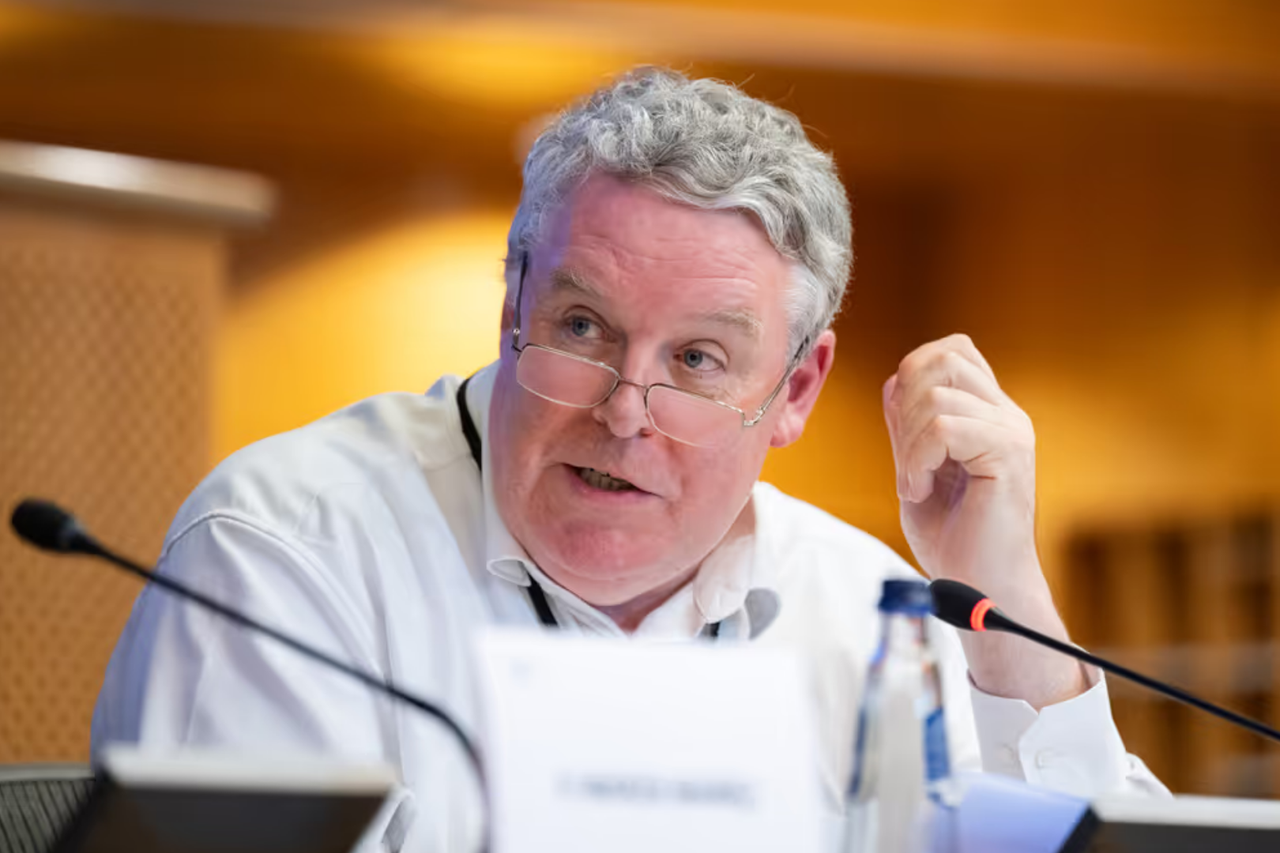
Michael O'Connell, the association's Livestock Committee chairperson, said that attention should switch to the intentions of the UK government, and the chances of it placing a ban on Brazilian beef.
He said the ICMSA has been in contact with farm organisations in the UK on the issue.
O'Connell warned that the "door is basically left open" for beef from Brazil to enter Britain at larger volumes.
He also cited figures from the UK's Department of Environment, Food and Rural Affairs (Defra) showing the UK herd fell 1.5% year-on-year to June 2026.
O'Connell said this "risks weakening the wider livestock supply chain [in the UK] which may see further reliance on beef imports".
"[Brazil] will be looking to fill that; they'll be ready to pour their beef exports into a market we dominated and still need," the ICMSA livestock chair said.
He called on relevant bodies, particularly Bord Bia, to "do their utmost to work towards exploiting potential gaps the UK market before less-than-inferior South American product fills it".
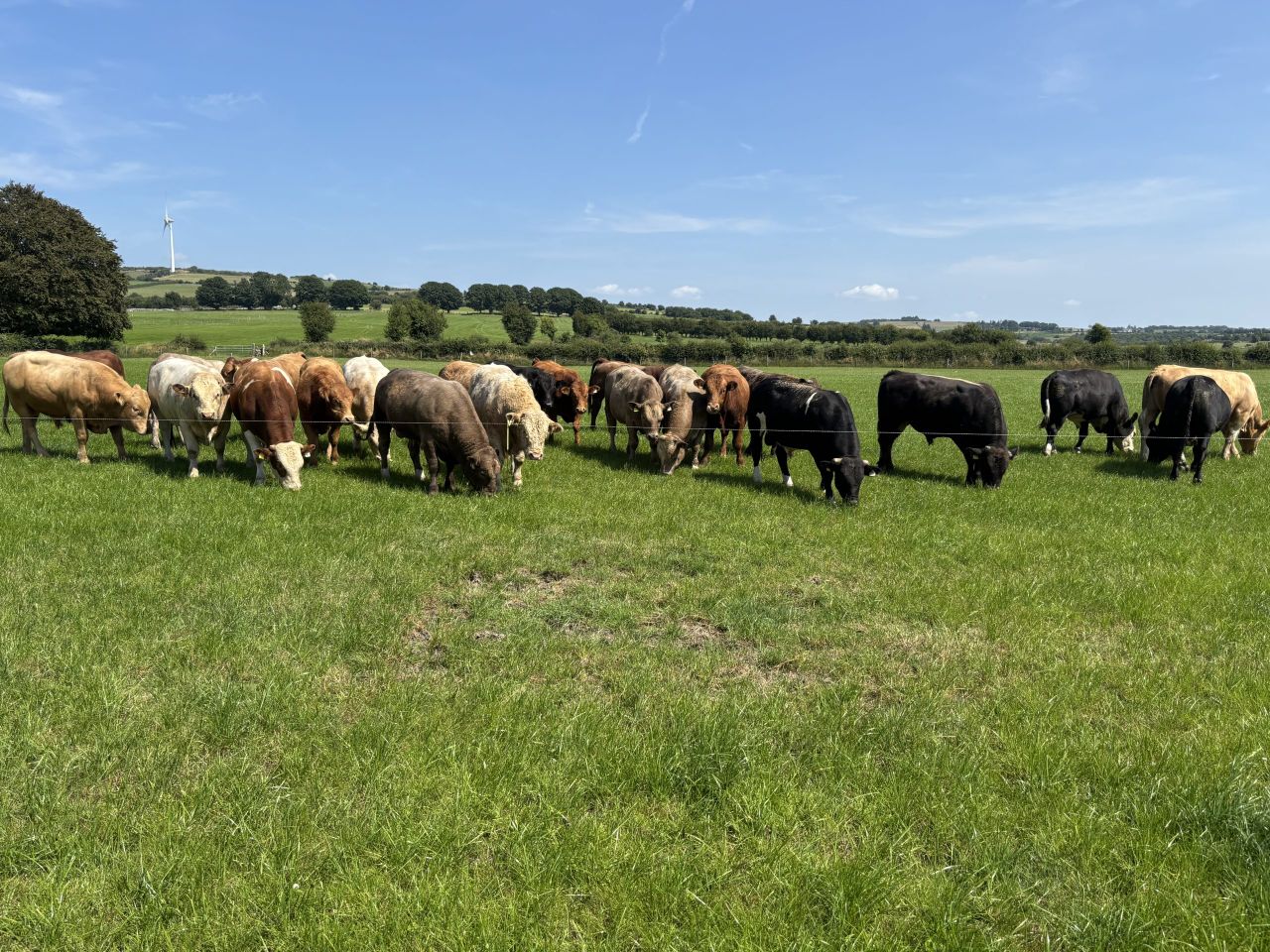
"Our 'green' grass-fed model and guarantee of hormone-free, antibiotic-free nutritious beef have to be utilised and underlined over the lower price of below-standard beef from South America," O'Connell said.
He added: "Irish farmers cannot stay producing top quality produce to be let down by processors and state bodies who are unable or unwilling to find markets that can give a proper return."