UK prime minister non-committal on Brazilian beef import ban

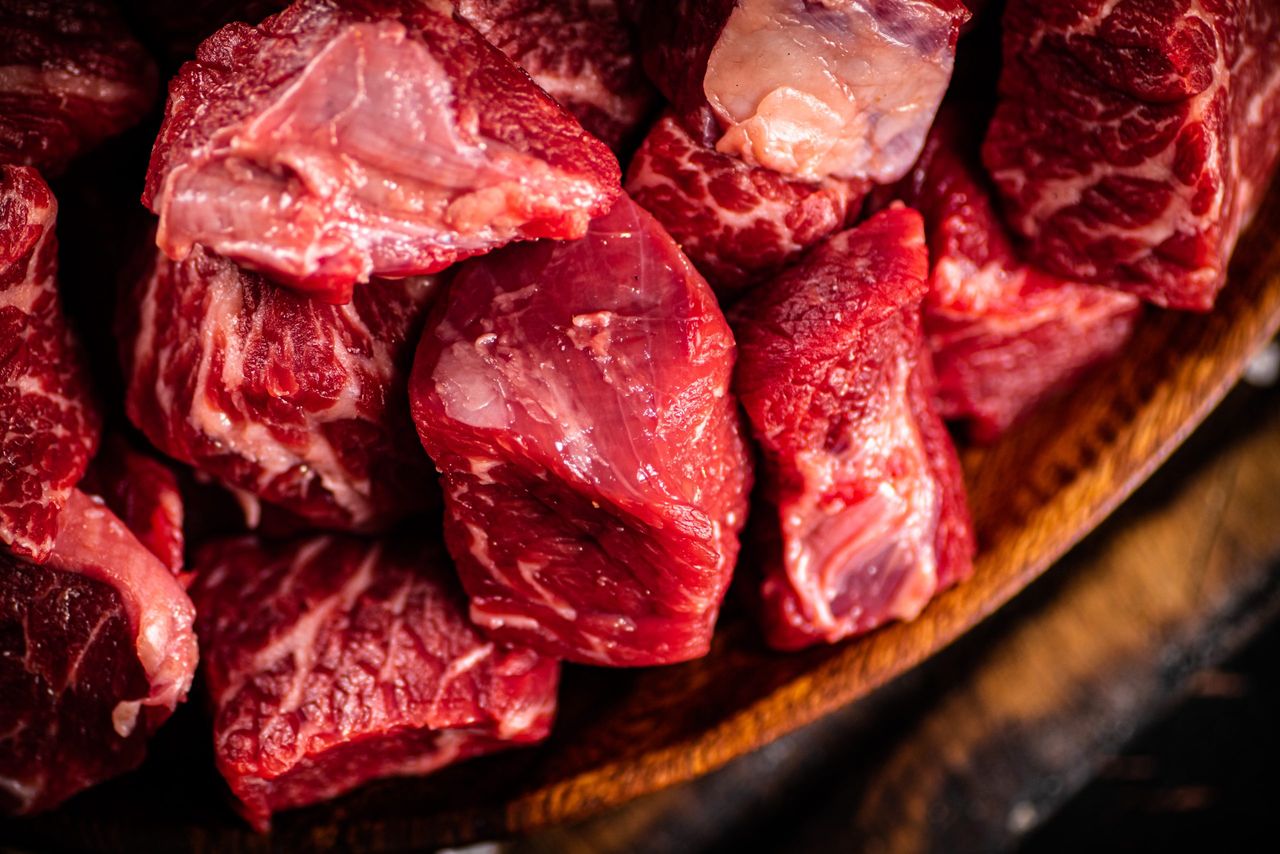
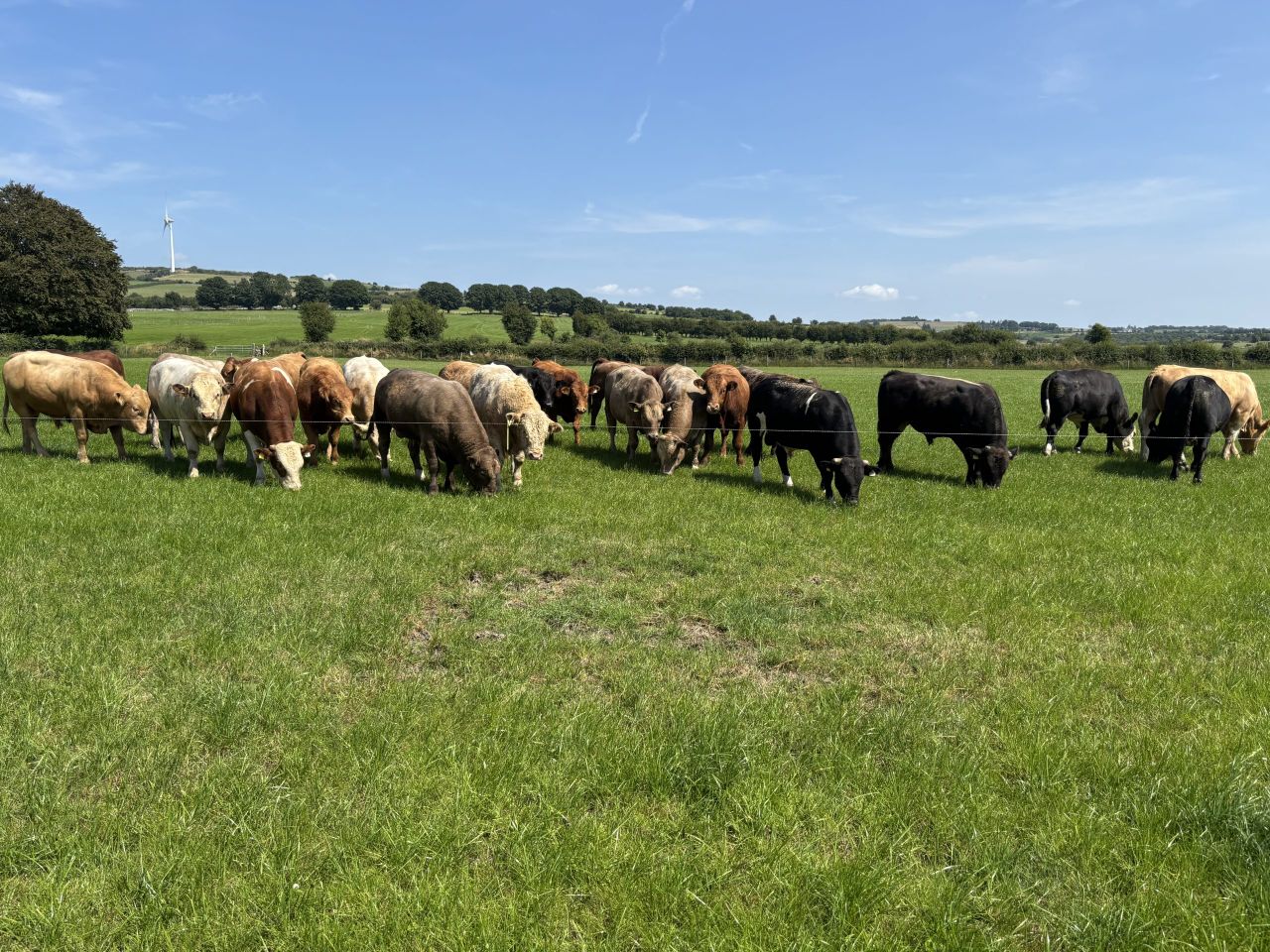
Prime Minister Andy Burnham has been warned that Brazilian beef imports could begin to out-compete UK-grown products "within days".
The comments come as imports of Brazilian beef and poultry to the European Union will be suspended from tomorrow (Thursday, September 3).
The European Commission has said Brazil must ensure compliance with EU requirements on the use of antimicrobials for the entire lifetime of the animals that the exported products originate from.
Farm leaders are concerned that larger volumes of Brazilian beef will be diverted into the UK market unless the UK government imposes similar restrictions.
Beef
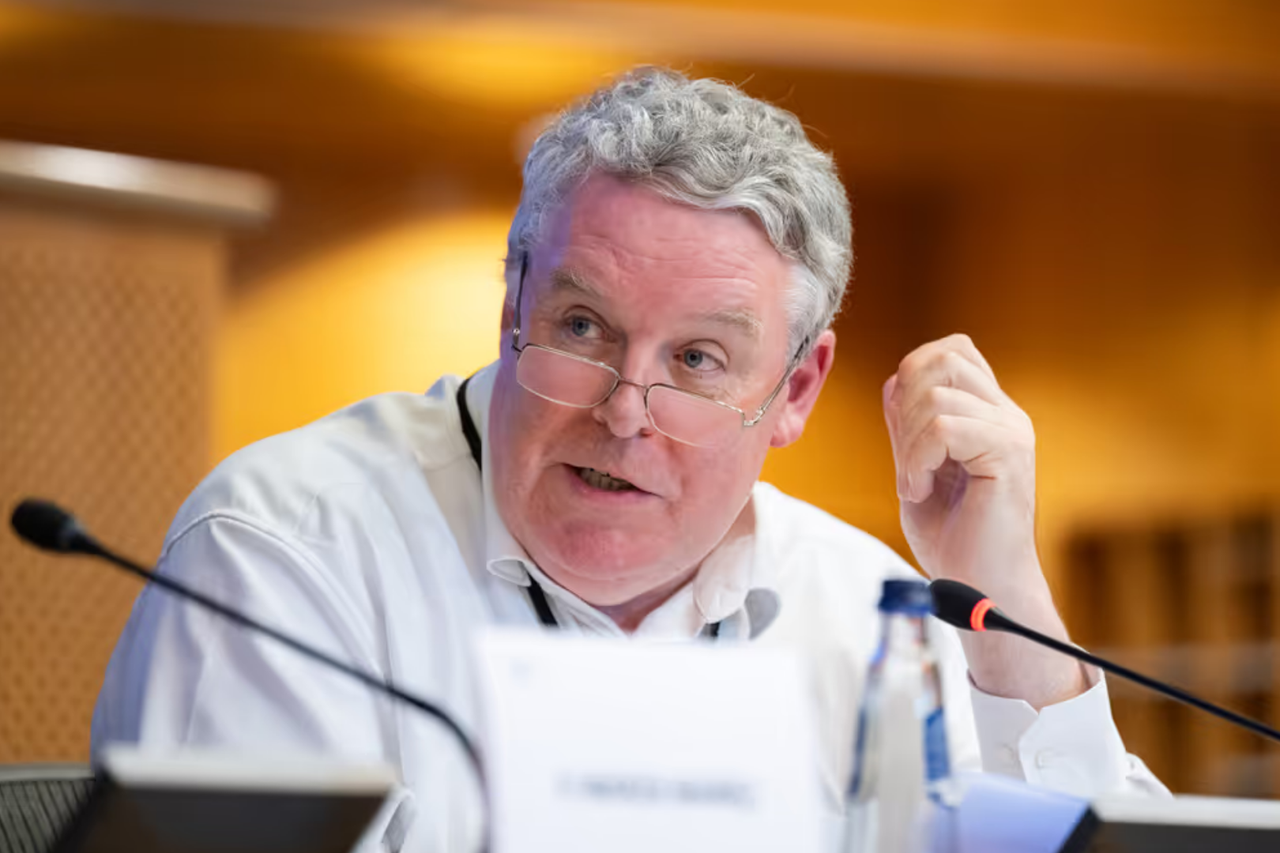
Chair of the Environment, Food and Rural Affairs (EFRA) Committee chair, Alistair Carmichael raised the issue with the prime minister in the House of Commons.
"On Thursday, the European Union will ban the import of beef from Brazil, because it is not satisfied that it is produced safely, and the USA, China and Norway are likely to do the same thing.
"Will the prime minister offer to our consumers and farmers the same protections that those governments offer theirs?" he asked.
The prime minister, after making his first address to Parliament, responded to the chair by saying that "all of these issues are on the table at this moment in time, but particularly public procurement".
He then suggested that food grown on British farms should be served more widely in "schools, hospitals, prisons and beyond".
"I do believe that we can do a lot more through public procurement before we reach to protectionist measures," he added.
Letter
Carmichael's question to the prime minister follows a letter from the EFRA Committee to the Department for Environment, Food and Rural Affairs (Defra).
The letter outlines how an "influx" of Brazilian beef imports could undermine British farmer's work in tackling antimicrobial resistance.
Commenting after the Commons discussion, Carmichael described the prime minister's response as "concerning in some respects".
"He seemed to grasp only the economic aspect of this issue rather than the paramount need to protect livestock from disease.
"This is not just about food that is cheap but about food that is up to the same standards our British farmers work hard to achieve.
"We await Defra’s formal response to our letter, but action is needed urgently.
"The UK is a world leader in tackling the risks posed by antimicrobial resistance, an achievement only made possible by the hard work and professionalism of UK farmers.
"But our government risks undoing that work and seeing our farmers undercut by dumping of cheaper imports if it stays asleep at the wheel and doesn’t impose restrictions or take additional measures to ensure safety," Carmichael added.