Sponsored
BEEF2026: Practical solutions for today’s beef farms

Sponsored by

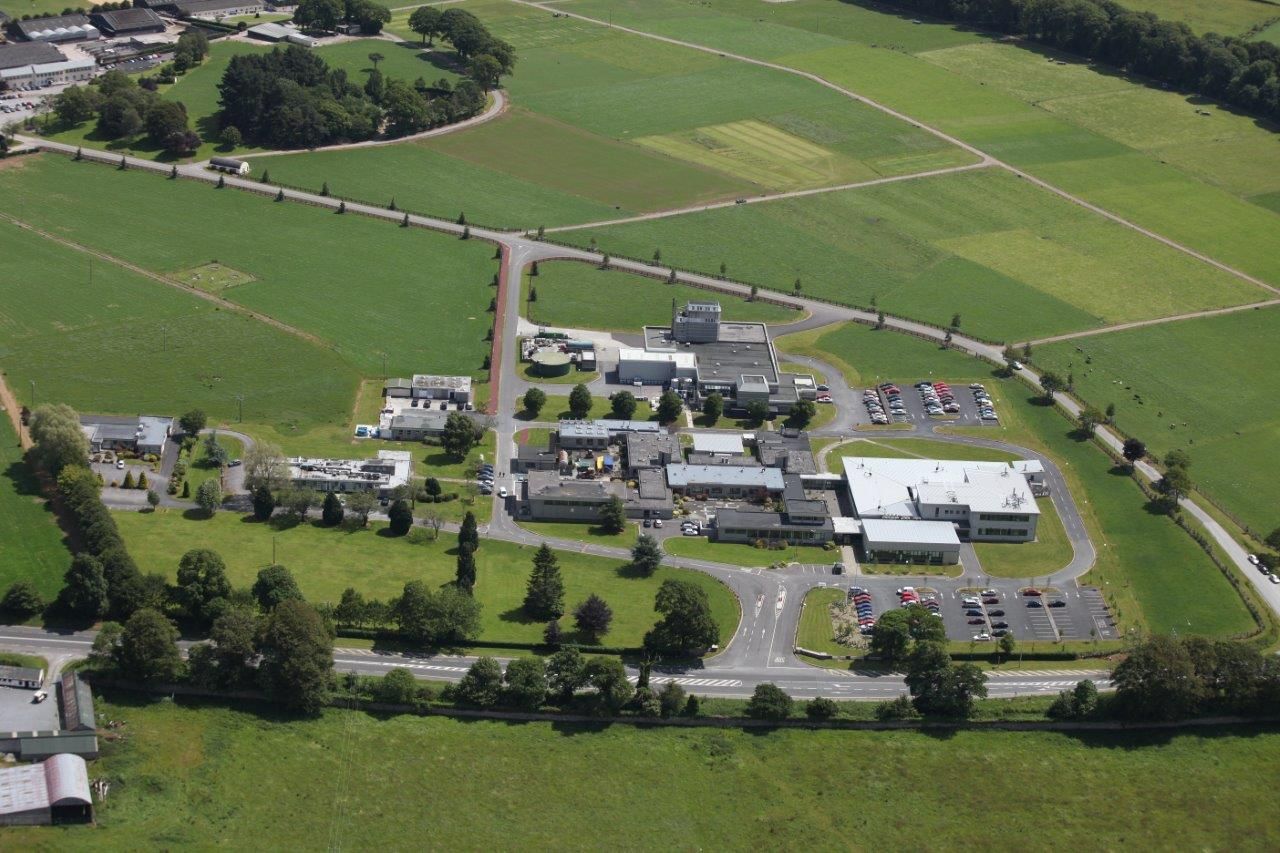
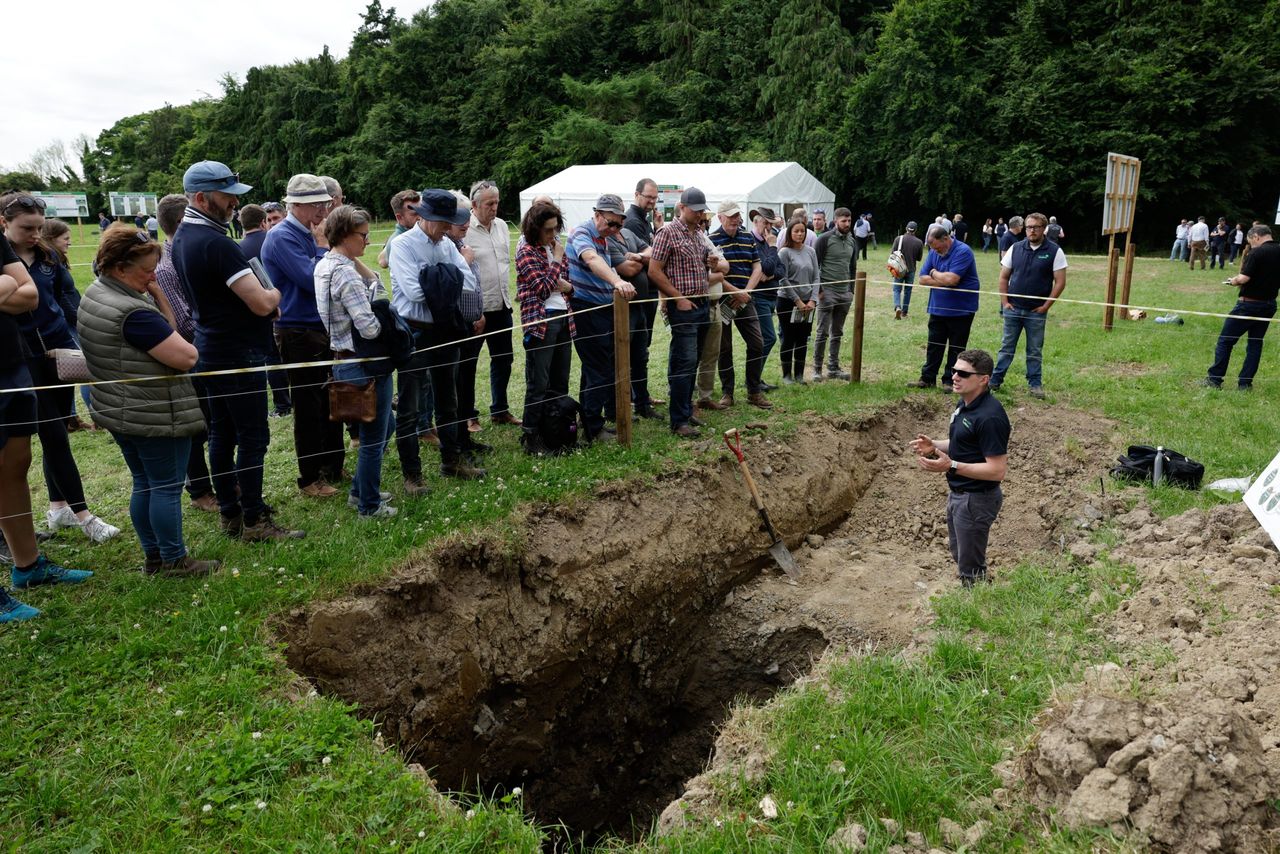
Ahead of this year's BEEF2026 Open Day, which will be held at Teagasc, Grange on July 1, a group of 12 progressive beef farmers and advisers from counties Leitrim, Galway, Cork and Wexford travelled to Teagasc Grange to get a preview of what visitors can expect on the day.
Their reaction was overwhelmingly positive.
For many, the scale of the operation and the volume of research underway came as a surprise.

Joe Barrett from Cork said: "I knew Grange was here, but I didn't realise it was like this.
"Farmers know about Grange, but until you come and see it first-hand, it's hard to describe.
"The scale of the farm, the facilities and the amount of research taking place is hugely impressive."
Throughout the visit, farmers engaged directly with researchers on topics ranging from dairy calf-to-beef systems and suckler breeding to methane reduction, grass-clover systems and feed efficiency.
The discussions highlighted the practical relevance of the work taking place at Grange and how it can help farmers improve performance, profitability and sustainability on their own farms.
Research in action
Suckler breeding and genetics generated significant discussion during the preview visit.
Farmers examined the work being carried out in both the Derrypatrick and Maternal herds, with particular focus on cow fertility, longevity, milk production and finishing performance.

Thomas O'Connor from Wexford highlighted the growing importance of genomic information.
He said: "Genomics is a big tool. It is showing how different cow types and breeding decisions are performing and helping farmers make more informed choices."
Similarly, James Doran, Teagasc adviser in Wexford, emphasised the role of genetics in future profitability.
"If you look at the myostatin gene work and the breeding decisions happening here in Grange, it is a massive tool in the farmer's arsenal."
The dairy-beef enterprise also attracted considerable interest.
Farmers discussed calf sourcing, genetics, feeding systems and the economics of calf-to-beef production.
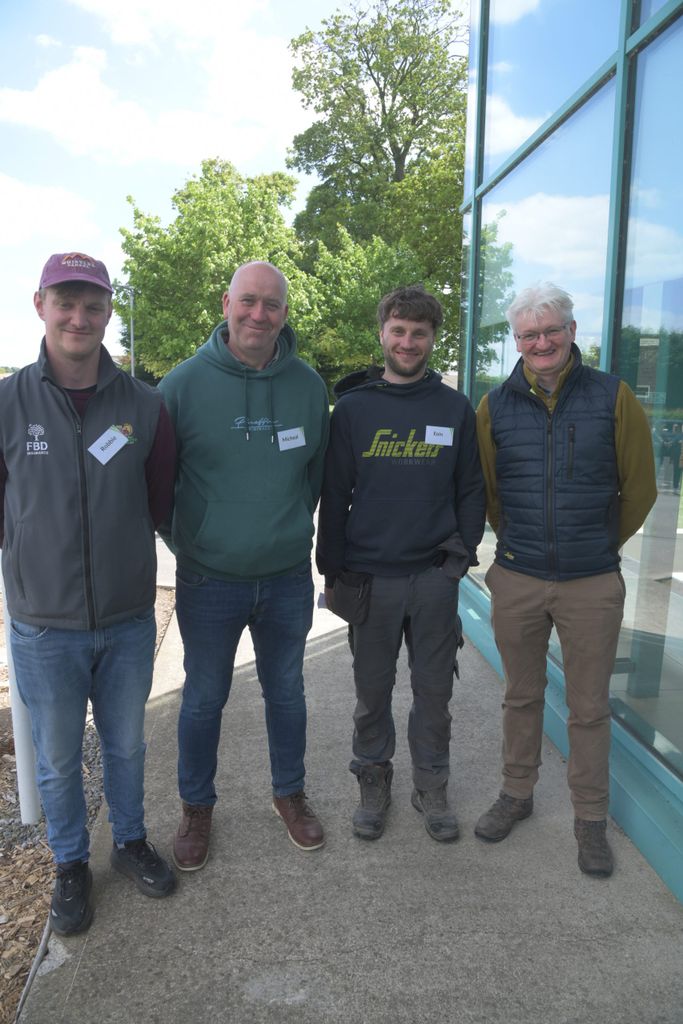
Michael Clancy from Leitrim stressed the importance of providing practical information to farmers entering the sector.
He said: "There are a lot of young farmers rearing calves now. It's important they can see the protocols being used, understand the costs involved and identify where savings can be made."
Ken Walsh from Wexford added: "The economics of the system are hugely important.
"Farmers need information they can apply to their own farms, especially with current cattle prices and input costs."
Grassland management and clover systems a major focus
Researchers demonstrated how grass-clover swards can increase animal performance while reducing reliance on chemical nitrogen fertiliser.
Dan Lucey from Cork explained: "I'm interested in seeing how white clover and red clover can work in practical systems.
"Farmers want to reduce fertiliser use while maintaining performance."
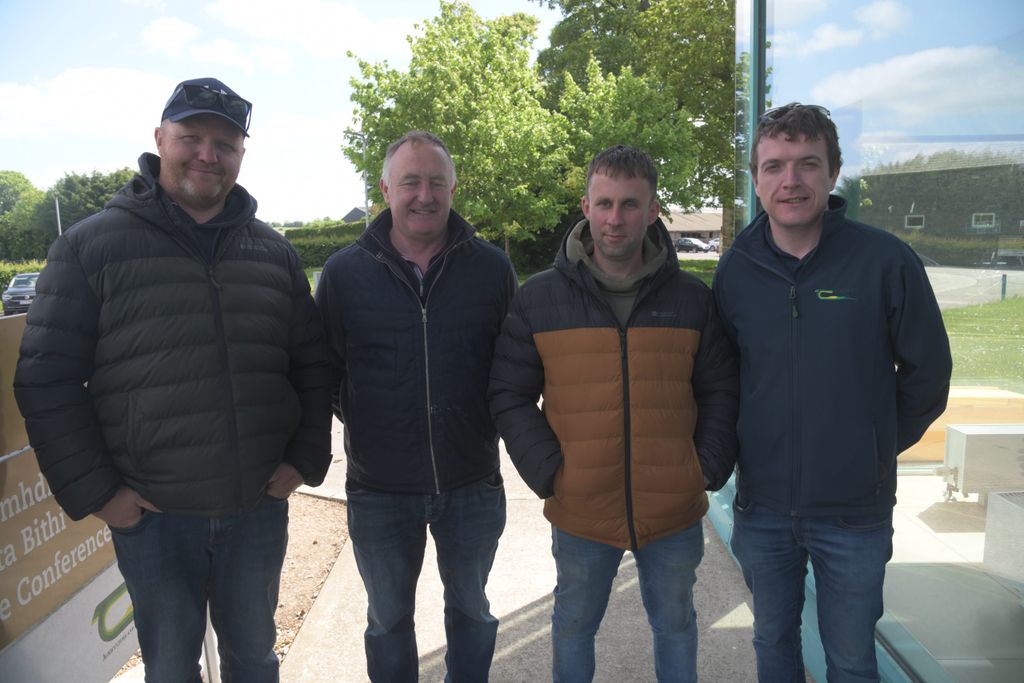
Brian Audley from Galway believes visual demonstrations are particularly valuable.
He said: "Grass management is a major focus on my farm. It's important that farmers can actually see these systems working and understand how to apply them at farm level."
Farmers also praised the simple infrastructure solutions visible throughout Grange.
"The simplicity stood out," Ken Walsh said.
"Good fencing, good gates, proper handling facilities and sensible paddock design. They're simple things, but they save labour and reduce stress."
Looking to the future
Climate action and methane reduction featured prominently throughout the discussions.
Robbie Lloyd from Leitrim highlighted the opportunities available through breeding.
"The most interesting information on methane reduction was the sire analysis. That's something farmers can implement almost immediately when selecting bulls."
Farmers also discussed the importance of encouraging the next generation into farming.
Rising costs, access to land and securing a viable income remain major challenges, but many agreed there is strong enthusiasm among young people for beef farming.
As the visit concluded, the farmers agreed that BEEF 2026 represents a valuable opportunity to learn, network and bring home practical ideas.
Robbie Lloyd summed it up best: "Even if you only come away with one thing, it always makes the day worthwhile."
Something for every beef farmer
Sean Power, who operates a store-to-finish enterprise near Woodsgift, Co. Kilkenny, where more than 400 heifers are finished annually, believes the event offers something for everyone.
"It depends on what your particular interest is," he explained.
"Whether it's breeding, grassland management, finishing cattle or farm finances, there's something for everyone.
"You have direct access to researchers and specialists who are genuinely interested in helping farmers solve problems and answer questions."
Sean also highlighted the networking opportunities.
He explained: "It's the conversations you can have on the day. You meet a huge range of people – some you may not have seen in two years, others you might not have met in 10.
"The social side of the event is a major benefit alongside the technical information."
Albert Stanley, who farms dairy, tillage and sheep alongside an 80-cow suckler herd, described attending BEEF 2024 as "time well spent".
He added: "Every farmer will find something relevant to their own farm.
"The information is practical and based on real research. It's a chance to step away from the day-to-day work and see what improvements you can bring home."
Visitors to BEEF 2026 can expect live demonstrations, expert talks, research updates, machinery displays and direct access to Teagasc staff, industry leaders and fellow farmers.
Whether your focus is increasing profitability, improving breeding performance, reducing emissions, improving grassland management or planning for the future and generation renewal, BEEF 2026 promises practical solutions, valuable discussion and a clear insight into the future of beef farming.
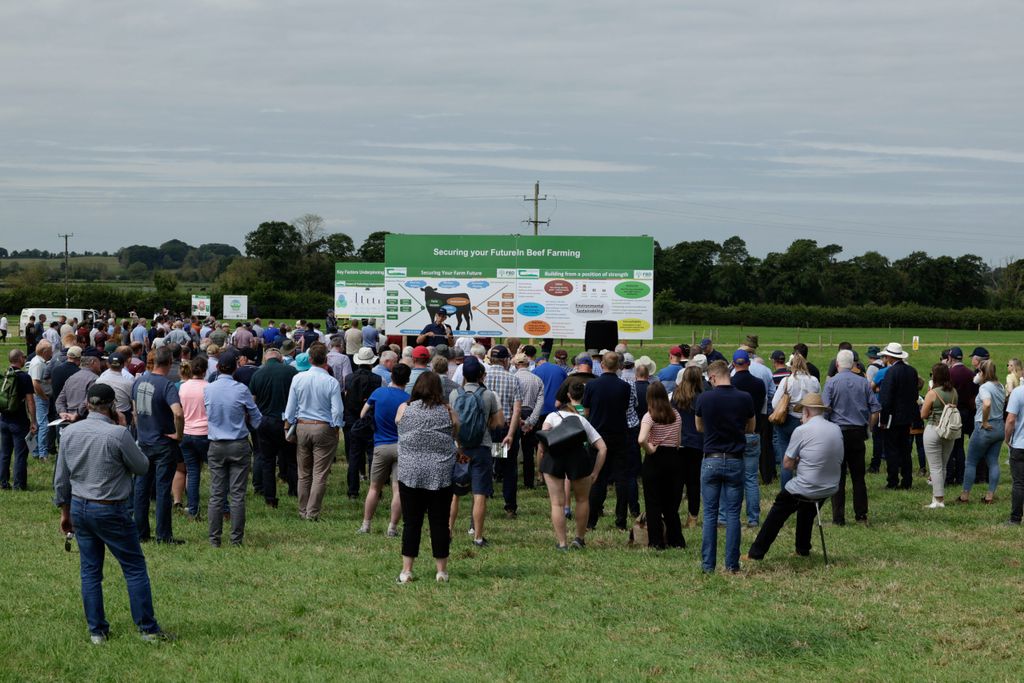
BEEF2026 is a free event and open to everyone.
Make Wednesday, July 1 a day out for the whole family and join us at Teagasc Grange for what promises to be one of the most important beef farming events of the year.
Sponsored by