Are your dairy-beef calves ahead or behind guide housing weights?

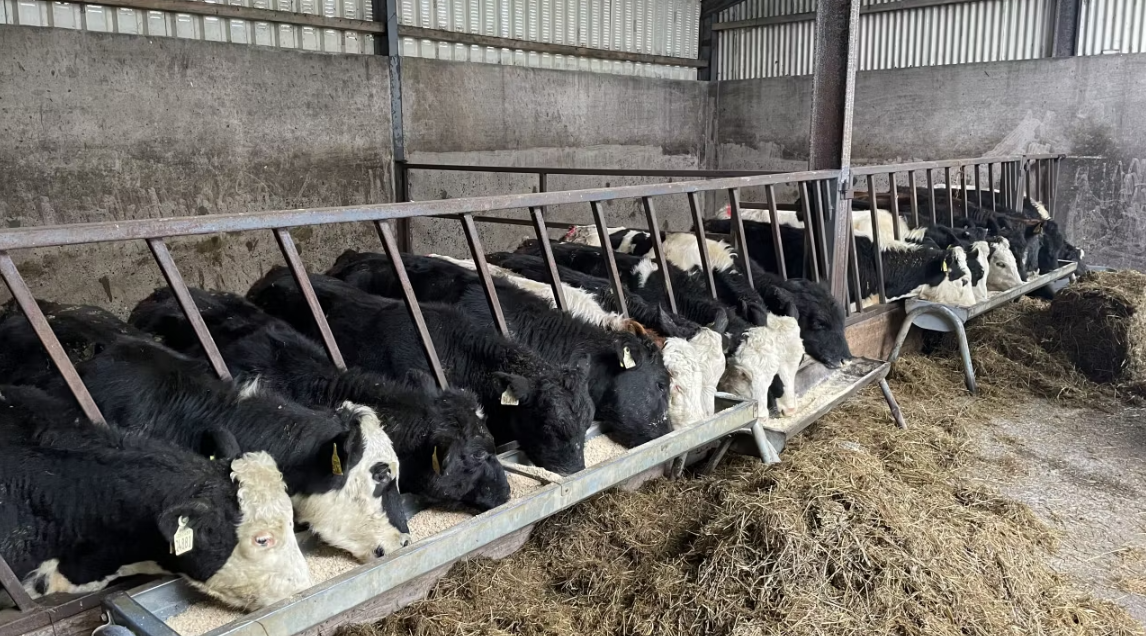
Housing time is near for spring-2026-born dairy-beef calves, a time when it is a good idea to record the weights of these cattle.
Many farms traditionally house cattle in November, but the more favourable weather conditions this week and the onset of cold, dry weather is a welcome development for farmers grazing into this month.
There are still good grass covers on beef farms around the country, and the dry conditions are helping to allow for good utilisation of this grass ahead of housing.
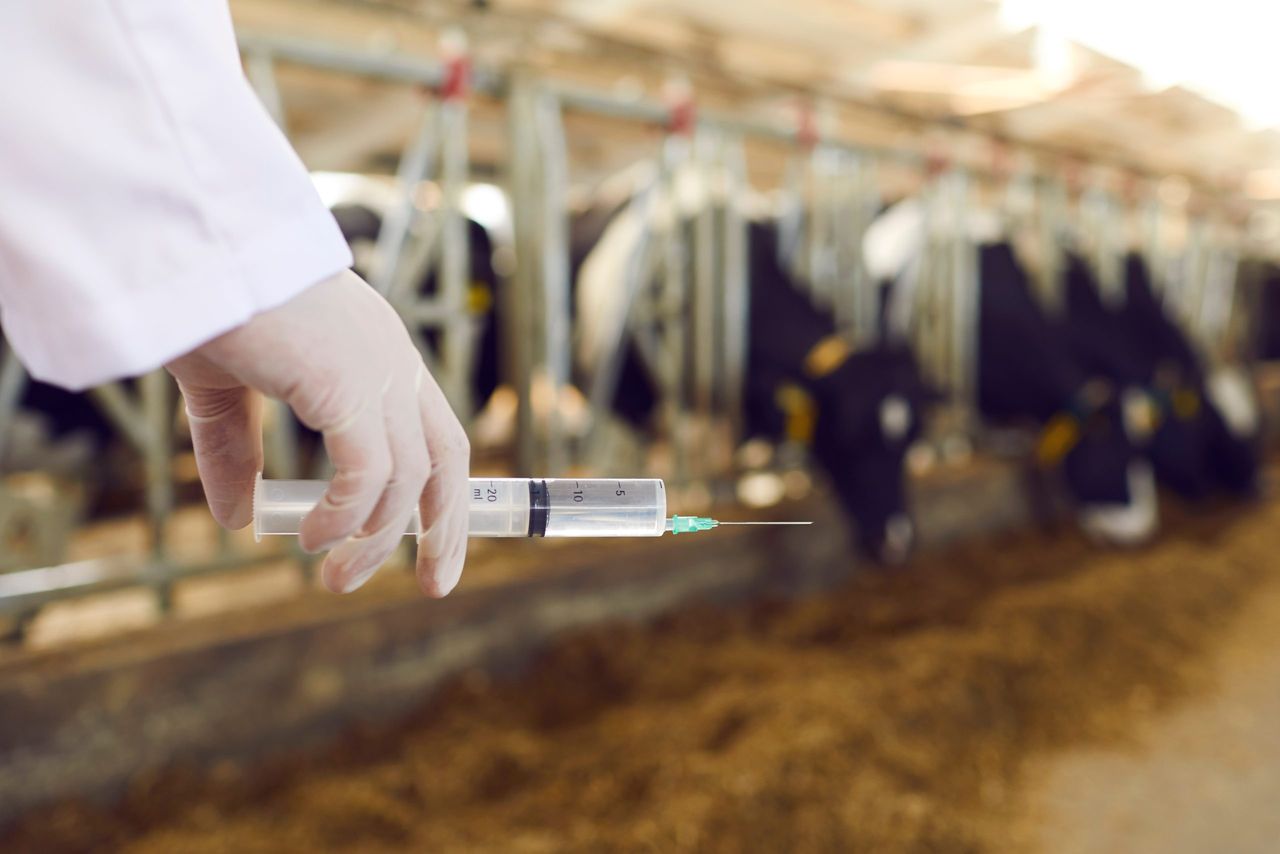
Before housing, it is a good idea to have completed a vaccination programme targeting respiratory and clostridial diseases.
Also, it is important to remember, some calves will require a double-shot vaccination four weeks apart and in some cases, the vaccine is not effective until two weeks after the second shot.
What weight should spring-2026-born dairy-beef calves be at housing?
For spring-born dairy-beef heifers, the aim should be for a target housing weight of 220kg.
Spring born dairy-beef steers should have a target housing weight of 240kg, according to Teagasc.
Male dairy-beef calves should be gaining approximately 0.7kg/day on milk and 0.8kg/day on grass during their first summer.
Heifers should be gaining approximately 0.6kg/day in their first season at grass.
Dairy-beef steers should be gaining 0.5-0.6kg/day in their first winter with a target turnout weight of 290kg for their second season at grass.
Well-run systems rearing good calves will be able to surpass these guide Teagasc weights.
Where calves are ahead or behind targets, it is a useful exercise to benchmark and access what may have been the cause of the better or poorer performance.